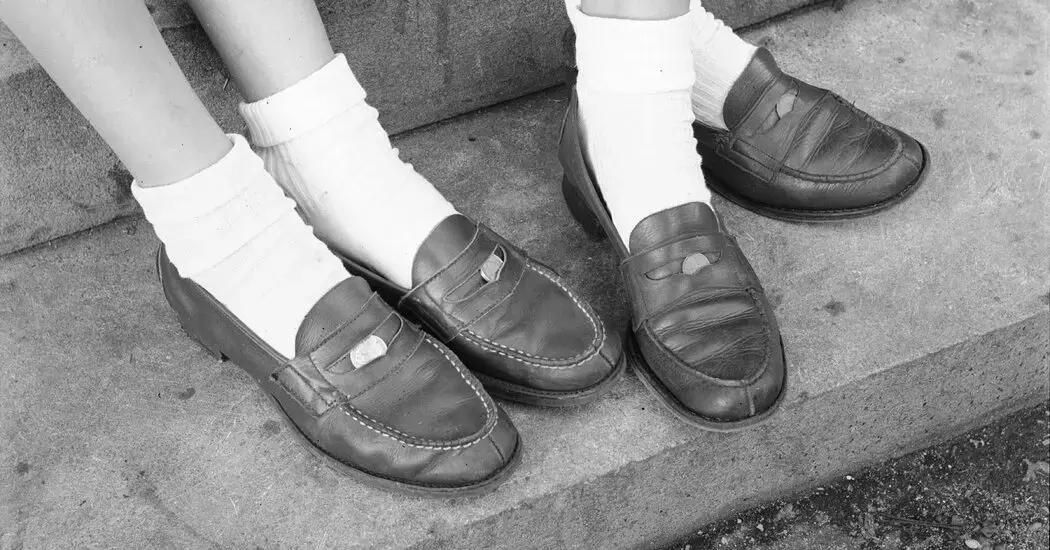
Following a recent presidential directive, the fashion industry is contemplating the fate of an iconic shoe style closely associated with American culture. The announcement to halt the production of pennies has sparked discussions about the future of the penny loafer, a classic footwear item that has been part of American fashion for decades. This decision has raised questions not only about the practicality of continuing this tradition but also about its symbolic significance in fashion and beyond.
The Presidential Order and Its Impact on Fashion
In a surprising turn of events during the waning days of New York Fashion Week, President Trump instructed Treasury Secretary Scott Bessent to cease minting pennies. While the authority to stop producing the 1-cent coin technically lies with Congress, the president's order has intensified debates over the future of this small yet culturally significant coin. Historically, the penny has left its mark on various aspects of American life, from penny arcades to penny candy. However, none have been more enduring than the penny loafer, a shoe style that gained popularity when young people began inserting pennies into the notched strap across the top.
As fashion enthusiasts gathered at shows like Tory Burch and Bibhu Mohapatra, they pondered the potential changes to this beloved footwear. Suggestions ranged from replacing the penny with a dime or even a nickel. Yet, practical considerations arose, as nickels are significantly thicker and wider, potentially making them unsuitable for the narrow slots in the loafers' straps. Despite these challenges, some designers expressed optimism, likening the adaptation process to a modern-day fairy tale where anything is possible.
From a journalistic perspective, this situation highlights the intricate connections between currency, culture, and fashion. It serves as a reminder that even minor changes in monetary policy can have unexpected ripple effects on seemingly unrelated industries. The penny loafer, once a symbol of youthful rebellion and American style, now faces an uncertain future. This moment invites us to reflect on how traditions evolve and adapt to changing times, challenging us to find new ways to preserve cultural heritage while embracing innovation.
