The festive customs we associate with Christmas today have a rich and varied lineage, stretching back to ancient pagan celebrations. What began as mid-winter festivals marked by exuberant gatherings, plentiful food and drink, and even animal sacrifices, gradually transformed over centuries into the more familiar, cozy Yuletide traditions observed in contemporary society. This historical journey reveals a fascinating interplay between ancient rituals, the spread of Christianity, and cultural influences that ultimately molded our modern holiday season.
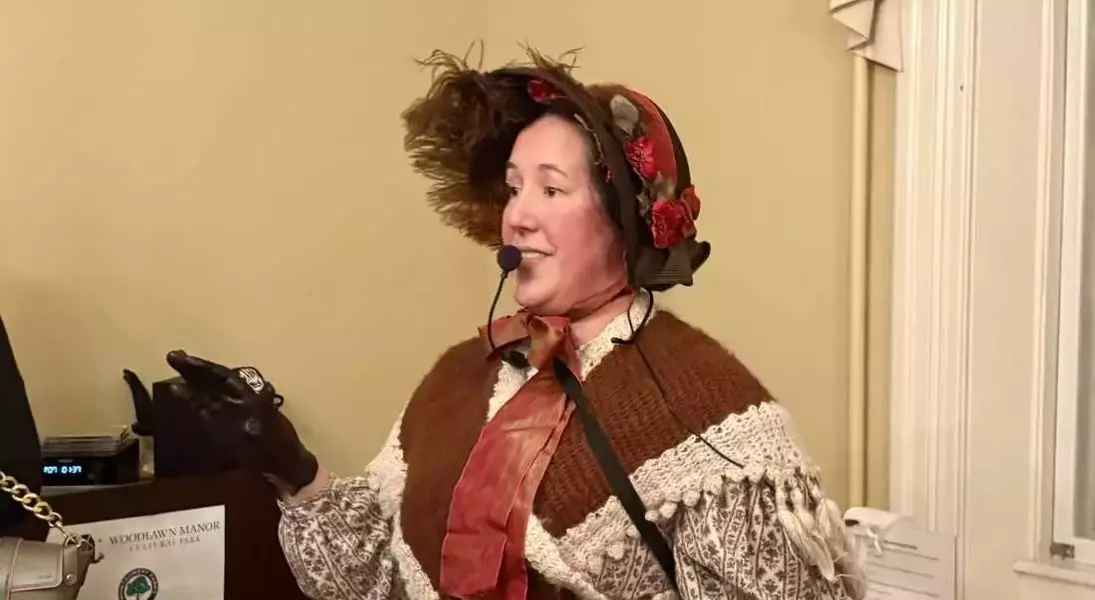
During a crisp December evening in Sandy Spring, Maryland, the Woodlawn Manor became a vibrant hub for a Victorian-era Yuletide dance workshop. Dozens of participants, stepping with varying degrees of confidence, navigated the creaking wooden floors, immersing themselves in 19th-century English country dances. Angela Yau, a historical interpreter for the local parks department, shared her expertise, emphasizing the Victorian fondness for lively Yuletide festivities. This scene, though reflective of a cherished, traditional image of the holidays, represents a refined evolution of much older practices.
Centuries ago, long before holiday carols filled the air, the term "Yule" signified something quite different. It referred to a pagan mid-winter festival, closely linked to the winter solstice, celebrated by pre-Christian Germanic communities. Maren Johnson, a Nordic studies professor at Luther College, points out its particular significance in Scandinavian regions, where the long nights and short days of winter fostered a rich folklore within close-knit communities, centered around this period of darkness. These early celebrations were characterized by copious feasting and drinking, as noted by Old Norse translator Jackson Crawford. Additionally, Terry Gunnell, a folkloristics professor at the University of Iceland, highlights the practice of animal sacrifices made to gods and spirits, intended to appease nature as winter descended from the mountains. A key element of these ancient Yule gatherings was the swearing of sacred oaths, as depicted in 13th-century sagas, suggesting a profound spiritual and social weight attached to promises made during this time.
The landscape of Yule festivities began to shift with the Christianization of Europe. The Church strategically integrated its own holy days with existing pagan celebrations. For instance, Easter superseded early summer festivals, and St. John's Day took the place of midsummer. Similarly, Yule was gradually supplanted by Christmas, as documented in Icelandic historical sources. This integration allowed people to continue their customary celebrations, albeit under a new Christian framework, focusing on the birth of Christ rather than winter spirits. Nevertheless, the spirit of abundant feasting and drinking persisted, becoming integral to Christmas traditions across much of Europe. The Victorian era further shaped these customs, largely influenced by Prince Albert, who brought German Yuletide traditions to England, and Queen Victoria, whose embrace of these practices solidified them as cultural staples, eventually spreading them globally and contributing to the development of figures like Santa Claus.
Although the ancient practice of animal sacrifice to appease winter spirits has largely faded from modern Yuletide observances, the underlying theme of offerings and symbolic gestures endures. This is particularly evident in Scandinavian Christmas folklore, where people still leave out porridge for nisse and tomte—mischievous spirits believed to inhabit local forests—in hopes of receiving gifts or appeasing them around the winter solstice. In Iceland, the holiday tradition features the "Christmas Men," or Yule lads, instead of Santa Claus. These mystic figures, with colorful names like "Window Peeper" and "Sausage Swiper," descend from the mountains to play pranks and steal items, though they also leave presents for children. Their mother, Grýla, a formidable ogress, is said to consume misbehaving children. These traditions, while distinct, share a common thread with the symbolic offerings of cookies and milk left for Santa Claus, indicating that the spirit of exchange and appeasement, albeit in a gentler form, remains a cherished aspect of contemporary holiday celebrations.
