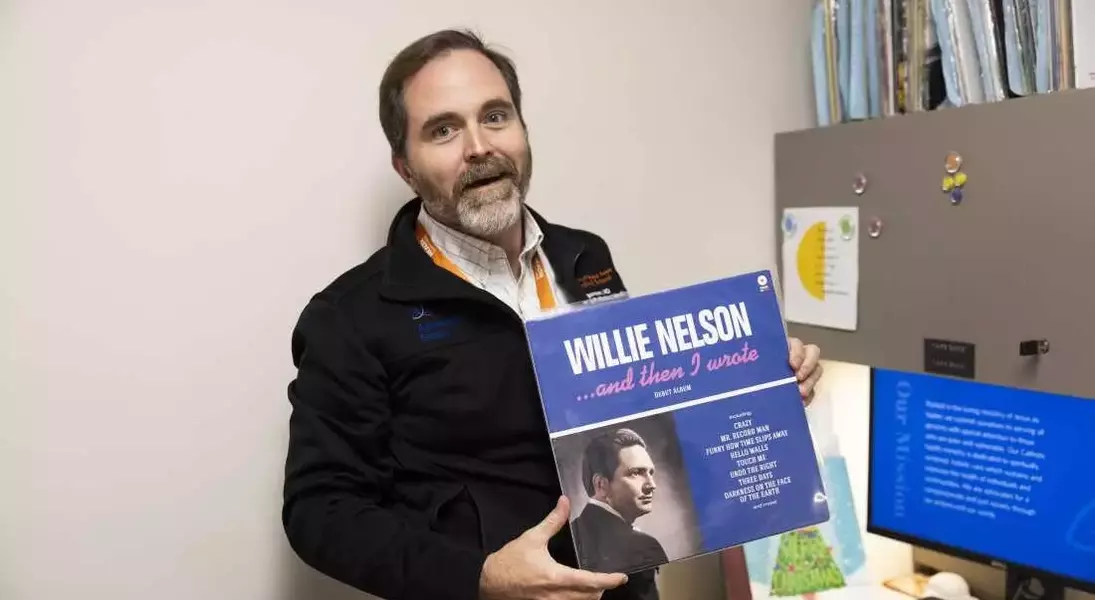
A physician in Texas has pioneered an innovative music therapy program, leveraging the nostalgic charm of vinyl records to enhance the well-being of patients navigating severe health conditions. This initiative, conceived by Dr. Tyler Jorgensen at Dell Seton Medical Center, aims to soften the harsh realities of hospital stays by introducing a personalized auditory experience. By reintroducing the tangible warmth of records, the program not only offers a welcome distraction but also seeks to forge new, uplifting shared moments for individuals and their loved ones amidst challenging circumstances.
The genesis of this heartwarming project traces back approximately three years, when Dr. Jorgensen, a seasoned emergency medicine practitioner, ventured into the specialized field of palliative care. This medical discipline is dedicated to improving the quality of life for individuals grappling with serious, often life-limiting, illnesses. His inspiration struck during an encounter with a particularly withdrawn patient. Unable to establish a connection through conventional means, Dr. Jorgensen decided to introduce music, playing 'The Boys Are Back in Town' by Thin Lizzy. The transformation was immediate and profound; the patient, previously uncommunicative, began sharing personal anecdotes and expressing vulnerability about his health struggles. This pivotal moment illuminated the untapped potential of music as a therapeutic tool, leading to the creation of the ATX-VINyL program.
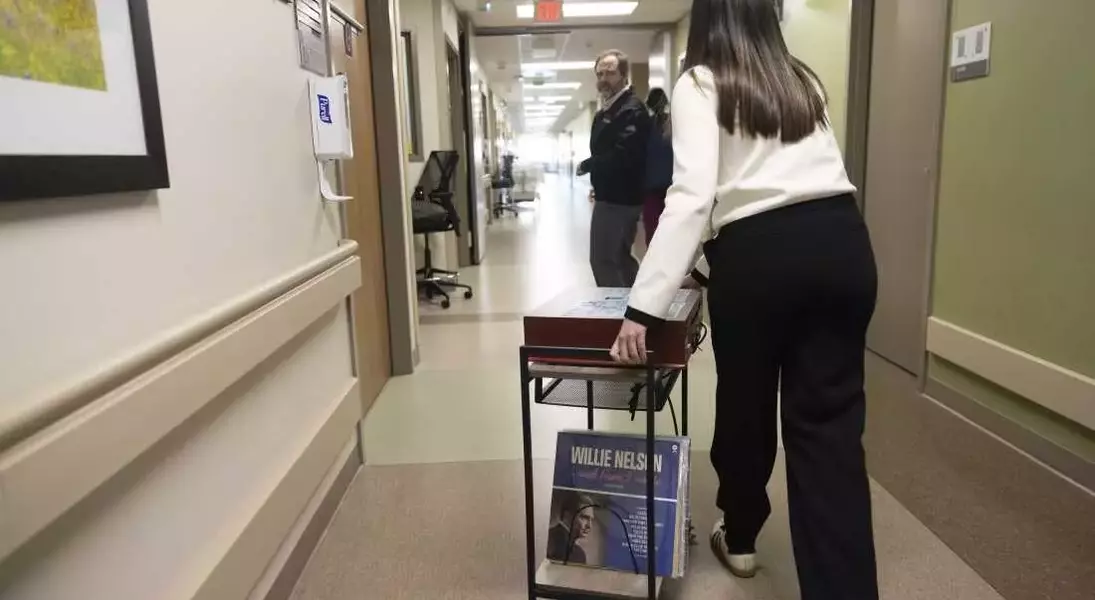
Pamela Mansfield, a 64-year-old patient recuperating from neck surgery at Dell Seton Medical Center, serves as a testament to the program's efficacy. Despite facing mobility challenges, she found herself gently swaying her feet to George Jones' 'She Thinks I Still Care,' a tune delivered via a record player brought directly to her room. For Mansfield, whose musical tastes were shaped by her parents, country music evokes cherished memories. She humorously remarked, 'Music makes everything better,' highlighting how the familiar melodies transported her beyond the confines of her hospital bed. The program frequently caters to a variety of musical preferences, ranging from jazz and R&B to holiday classics, always striving to meet patients' individual desires.
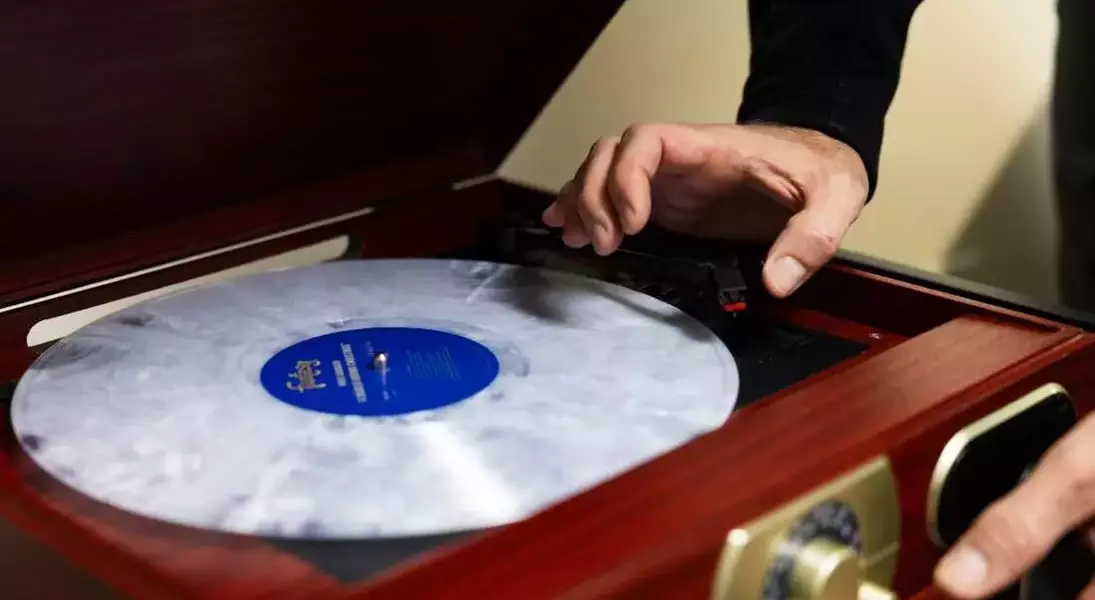
Dr. Jorgensen deliberately chose vinyl over digital streaming platforms, believing that the physical act of playing a record, complete with its characteristic pops and crackles, offers a more intimate and resonant experience. He envisions the record player as a 'time machine,' capable of whisking patients away from the clinical environment and back to comforting memories of home and family. The hospital's collection has since grown to over 60 records, with Fleetwood Mac's 'Rumours' being a consistent favorite. During the festive season, 'A Charlie Brown Christmas' by the Vince Guaraldi Trio also sees frequent play.
The ATX-VINyL program is significantly bolstered by a dedicated team of volunteers, many of whom are pre-medical students from the University of Texas at Austin. Daniela Vargas, who leads the volunteer cohort, developed a passion for music therapy during the COVID-19 pandemic, playing violin for isolated patients. She observes similar transformative effects in the hospital, where volunteers curate record selections for patients. While volunteers typically leave the room to allow for a private listening experience, the initial and concluding interactions with patients often prove deeply impactful, creating a sense of connection and comfort during vulnerable times.
For many palliative care patients, the record player offers a much-needed reprieve from the gravity of their situations, especially as some approach the end of life. Dr. Jorgensen emphasizes that this shared musical experience enables families to create new, positive memories together, even in moments of profound sadness. He notes how the simple act of choosing a record to play for a loved one can transform a difficult hospital visit into a tender, shared activity. This unique approach celebrates the enduring power of music to heal, connect, and provide solace, allowing patients like Pamela Mansfield to find motivation and even envision future triumphs, such as dancing again, as they navigate their recovery journey.
