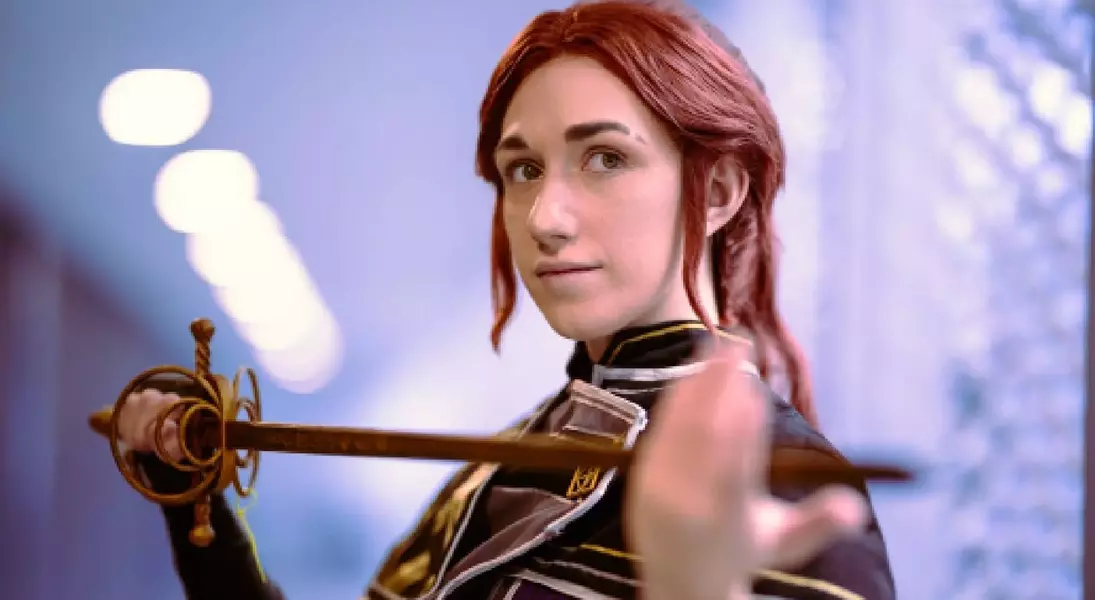
My admiration for individuals who meticulously craft their own costumes has always been profound. Whether it's for a simple festivity or a major event, the effort of creating something unique from raw materials speaks volumes about one's ingenuity and commitment. This level of creative craftsmanship is something I've often felt I lacked, often resorting to improvising costumes from existing items rather than embarking on a full-scale creation.
Emily White, a talented cosplayer from the United Kingdom, perfectly embodies this spirit of artistic construction. She constructs every single one of her cosplay outfits from the ground up, no matter how detailed or complex the characters and their attire may be. To understand her unique approach, I engaged in a conversation with White to delve into the origins and intricacies of her creative process.
White's entry into the world of cosplay began unexpectedly during the initial lockdown period in the UK. Seeking an escape from boredom, she downloaded TikTok and stumbled upon a vibrant community of cosplay artists. Initially, she experimented with face painting, a more accessible entry point into the craft. Her first complete costume, however, materialized during the second lockdown when she started streaming on Twitch.
Encouraged by her Twitch community, White took on the challenge of transforming into Ciri from The Witcher 3. She fashioned a sword and accessories from cardboard, repurposed a white shirt, and modified a corset purchased online. This experience ignited a lasting passion, revealing the profound joy of embodying beloved characters. The transition to fully crafting costumes occurred after lockdown when attending her first MCM Comic-Con. Witnessing the incredible artistry of other cosplayers, White felt a surge of inspiration. A particular encounter with Clonetrooper armor solidified her resolve to create her own intricate costumes. Faced with the high cost of purchasing such an outfit, she decided to research and master the use of EVA foam, utilizing available templates and tutorials.
Driven by her newfound enthusiasm, White began to experiment with various construction techniques. Her process always starts with selecting a character and gathering extensive reference images to visualize the final costume. She then meticulously plans the construction, considering materials, design modifications, and fastening methods. This planning phase is followed by acquiring the necessary supplies and tools from online vendors or local shops before the crafting truly begins. The duration of each project varies significantly based on the costume's complexity, ranging from a month to a full year.
Bringing video game characters' costumes to life presents a unique set of challenges, as in-game designs often prioritize aesthetics over practicality. White finds this problem-solving aspect to be a rewarding part of the creative journey, as it requires her to ingeniously adapt fantastical designs for the real world. Despite the often solitary nature of costume creation, the broader cosplay experience fosters a strong sense of community. White cherishes the friendships she has forged through a shared love for gaming and characters, a sentiment echoed by many cosplayers. This communal support serves as a powerful motivator for creators like Emily, helping them navigate the demanding and intricate journey of hands-on projects.
