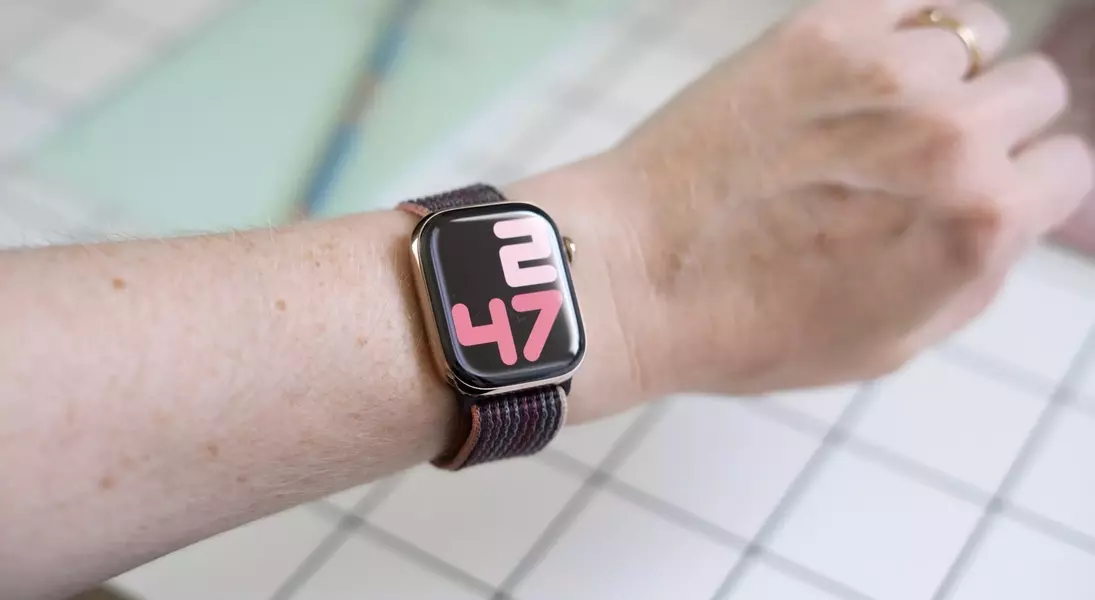
In an increasingly connected world, the ubiquitous smartphone has become an extension of ourselves. This article delves into a compelling social experiment: replacing a smartphone with a cellular-enabled smartwatch for an entire week. The primary objective was to evaluate the practicalities and psychological impacts of reducing reliance on a phone, exploring whether a minimalist approach to connectivity could foster greater presence and alleviate digital overload. The author's journey reveals a complex interplay of frustration and liberation, highlighting the profound influence our devices wield over daily routines and mental states. This detailed account offers valuable insights into the potential for intentional disengagement and the subtle shifts in perception that can emerge from such an endeavor.
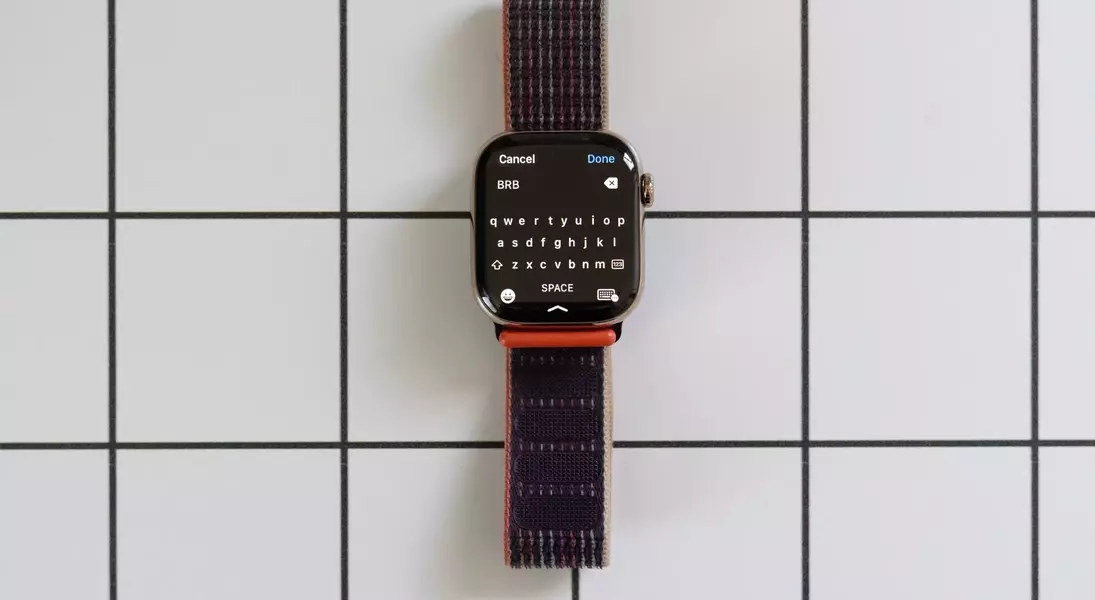
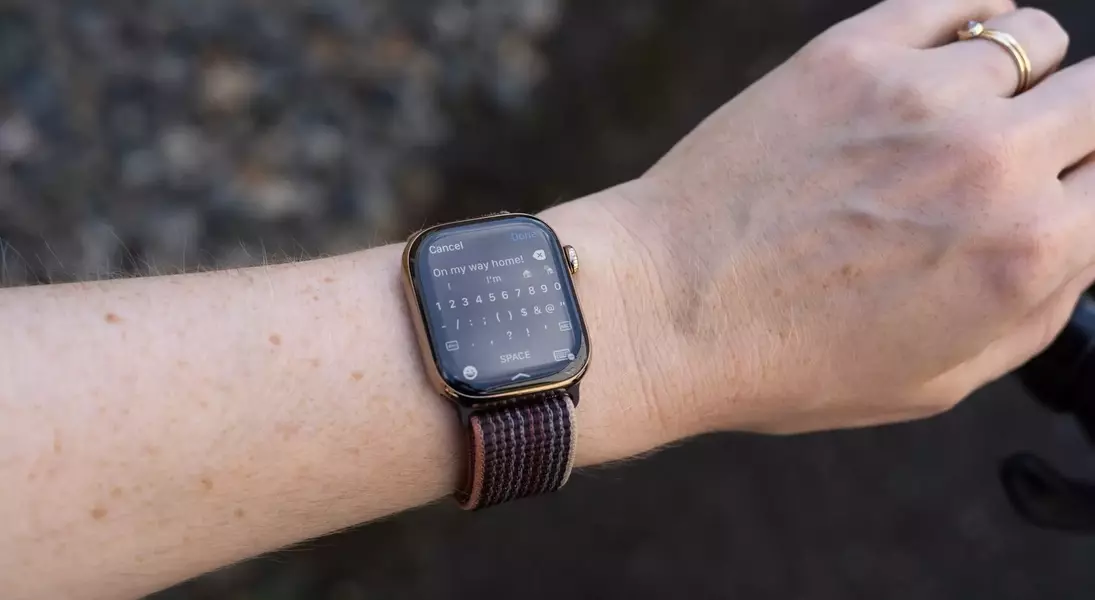
The initial transition proved to be a challenging adjustment. Accustomed to the immediate gratification and comprehensive capabilities of a smartphone, the author encountered moments of anxiety and inconvenience. Simple tasks, like capturing a spontaneous photograph or effortlessly checking directions, became intricate challenges on the smaller smartwatch interface. The experience underscored the deeply ingrained habits of smartphone use, revealing how often we instinctively reach for our devices for tasks that can be managed through alternative means or even foregone entirely. The author candidly admits to an initial period of struggling with the limitations of the smartwatch, particularly for detailed interactions like typing messages, where voice input, though efficient, often felt awkward in public settings.
Despite the hurdles, the experiment yielded surprising benefits. The absence of a constant digital companion fostered a heightened awareness of surroundings and a reduction in the compulsion to endlessly scroll. This newfound mental space allowed for engagement in activities previously overshadowed by smartphone use, such as traditional paper-based puzzles. The trial highlighted the subtle but pervasive nature of digital distractions, emphasizing how a conscious decision to limit screen access can significantly alter daily interactions and personal well-being. Even minor victories, like successfully navigating a new route relying solely on memory and public transit, contributed to a growing sense of self-reliance and reduced digital anxiety.
However, the experience also exposed the inherent dependencies of a cellular smartwatch on its paired smartphone. Critical functionalities, such as receiving all notifications from certain applications, were contingent on the smartphone remaining active. This realization served as a pragmatic reminder that while a smartwatch can offer a degree of independence, it is not a complete standalone device for all digital needs. Practical challenges arose, such as needing a smartphone for ride-sharing services or dealing with QR code-based check-ins, necessitating occasional compromises to the "no-phone" rule. These instances underscored the importance of forward planning and adaptability when attempting to minimize smartphone usage in a digitally integrated society.
The overarching lesson from this immersive trial was the profound impact of intentionality in managing digital habits. It demonstrated that achieving a healthier relationship with technology is not about complete abstinence but rather about cultivating mindful engagement and establishing boundaries. While a cellular smartwatch may not be a universal panacea for smartphone addiction, it serves as a powerful tool for those seeking to reduce their digital footprint and foster a more present existence. The experiment reinforced the idea that by introducing enjoyable alternative activities and proactively planning for scenarios where a phone might be missed, individuals can successfully recalibrate their technological routines. Ultimately, the endeavor underscored that mastering one's digital life is an ongoing process of practice and self-awareness, with the cellular smartwatch offering a valuable avenue for cultivating a less device-dependent lifestyle.
