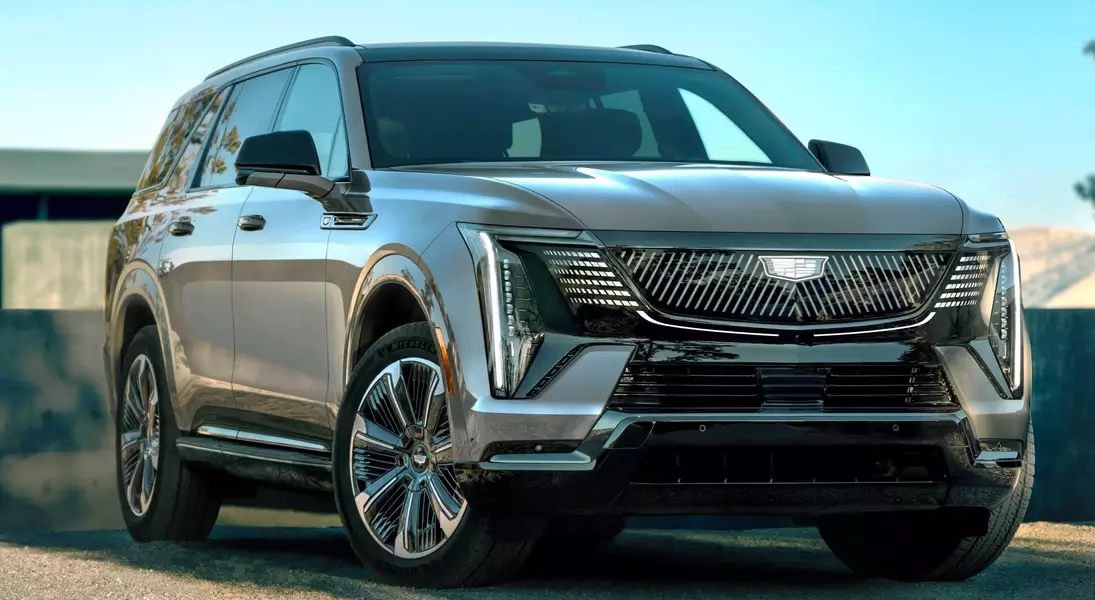
The automotive landscape has undergone a dramatic transformation over the past decades, shifting from a preference for smaller, efficient vehicles to an overwhelming demand for large sport utility vehicles (SUVs) and pickup trucks. This evolution, often referred to as 'car bloat,' is not merely a matter of changing consumer tastes but a complex interplay of market forces, regulatory loopholes, and significant implications for public safety and environmental health.
The Escalating Trend: Bigger Vehicles, Bigger Risks
From Compact to Colossal: The Automotive Evolution
Growing up, the roads were filled with compact and mid-sized sedans. My family, like many others, opted for smaller, more manageable vehicles. However, over time, a noticeable trend emerged: these smaller automobiles were steadily replaced by progressively larger SUVs. Today, finding a car that isn't a compact SUV or larger is challenging, a stark contrast to the past where such vehicles were a rarity.
The Profit-Driven Surge of Large Vehicles
Automakers explain this shift by citing evolving consumer preferences. Indeed, a significant majority of new vehicle sales now consist of SUVs and pickup trucks, a substantial increase from previous decades. Consumers often perceive these higher-riding vehicles as safer and more commanding on the road. Yet, this trend is also heavily influenced by higher profit margins on larger vehicles, which yield considerably more revenue despite marginally higher manufacturing costs.
The Grave Consequences of Vehicle Upsizing on Road Safety
The proliferation of oversized trucks and SUVs has led to alarming safety repercussions. Studies indicate that vehicles with elevated and blunt front ends significantly increase the risk of fatalities in pedestrian collisions. The design of these larger vehicles, with their higher clearances and extensive blind spots, contributes to more severe injuries and an increased likelihood of pedestrians being dragged underneath, rather than being pushed aside. This has unfortunately coincided with a sharp rise in pedestrian deaths.
Regulatory Responses and Industry Obstacles to Safety Reforms
Despite the growing body of evidence highlighting these dangers, automotive manufacturers tend to emphasize technological solutions like advanced driver-assistance systems over fundamental design changes. While the National Highway Traffic Safety Administration (NHTSA) has proposed new regulations aimed at improving pedestrian safety, focusing on head-to-hood impact testing, the implementation and effectiveness of these measures face considerable skepticism due to regulatory hurdles and a perceived lack of enforcement capacity.
The Illusion of Safety: Consumer Perceptions and Market Dynamics
A paradox exists in consumer perception: many drivers believe that operating a massive, multi-ton SUV provides superior safety for themselves and their families. This belief often overshadows the external risks posed by such vehicles to pedestrians and other road users. This self-reinforcing cycle, driven by market demand and profit incentives, continues to shape an automotive industry increasingly dominated by large, imposing vehicles.
