This article explores Framework's recent critique of memory pricing by major laptop manufacturers, particularly Dell and Apple. It delves into the nuances of how these companies structure their memory upgrade costs, contrasting them with Framework's own policies and future plans. The discussion sheds light on the complexities of tech hardware pricing and the varying approaches taken by industry players.
Unpacking the Memory Cost Controversy: Framework's Stance on Tech Giant Pricing
Framework to Adjust Memory Prices, Criticizes Dell's and Apple's Strategies
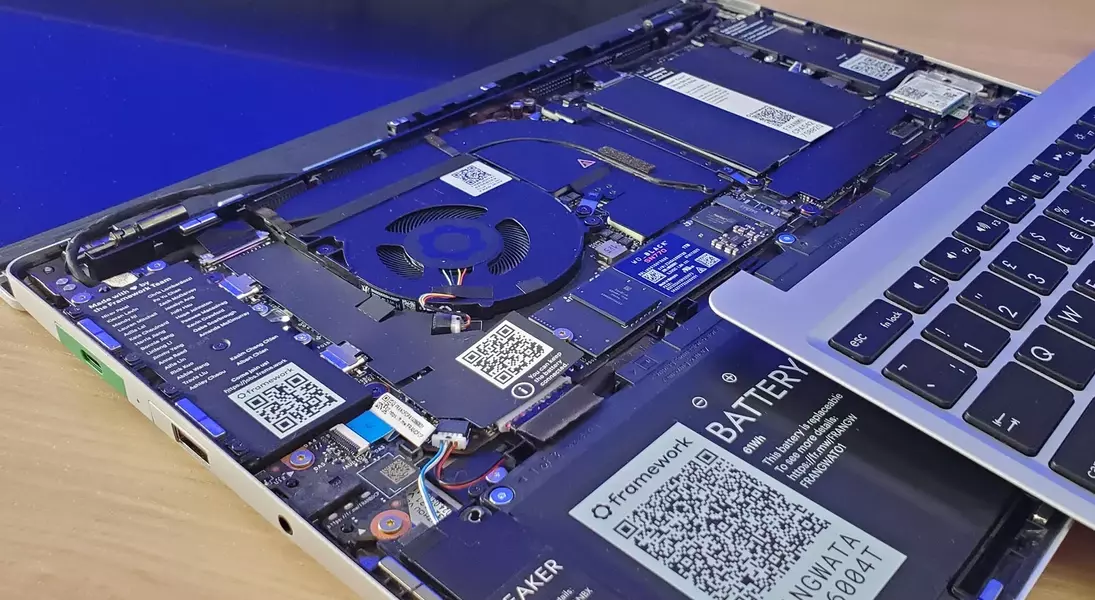
Framework, recognized for its innovative modular computing devices, has signaled an impending adjustment to its memory pricing structure. However, the company has also publicly called out established industry players, Dell and Apple, for what it describes as excessive charges for memory upgrades. In a recent social media post, Framework explicitly stated its commitment to avoiding exploitative pricing practices, drawing a direct contrast with its competitors.
The Dell Pricing Enigma: A Closer Look at Upgrade Costs
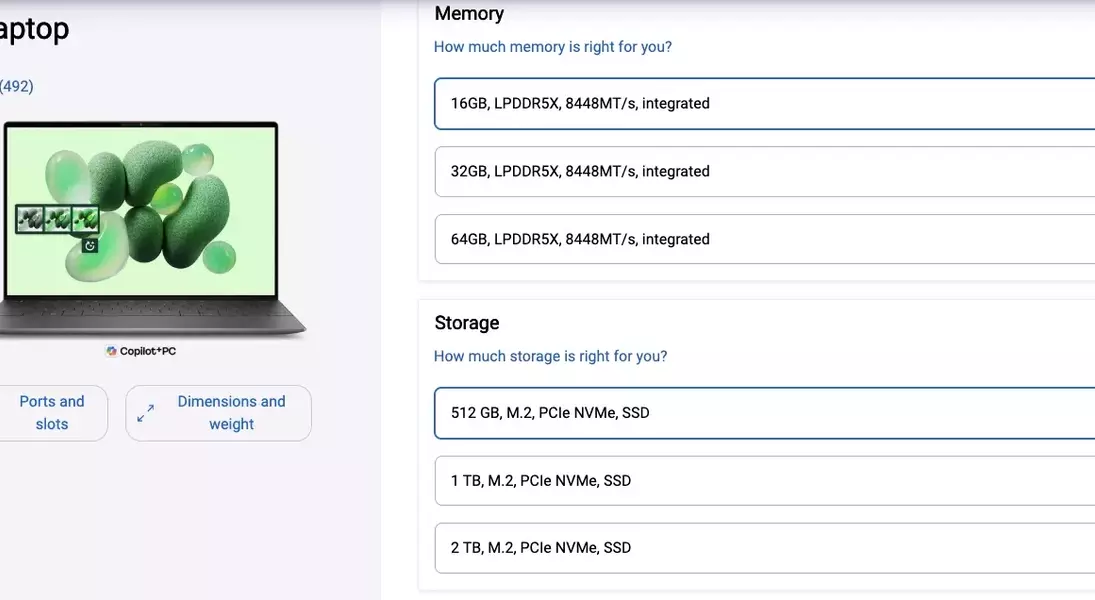
The controversy surrounding Dell's memory pricing originated from a social media post by Vadim Yuryev of Max Tech. Yuryev shared screenshots purportedly showing a $550 upgrade fee for increasing RAM from 16 GB to 32 GB on a Dell XPS 13 laptop featuring a Qualcomm Snapdragon X CPU. However, a direct verification on Dell's official website revealed a significantly lower cost of $150 for the identical upgrade. This discrepancy suggests that Dell's pricing can be influenced by various factors, including temporary promotions or package deals that bundle memory upgrades with other hardware enhancements, such as a more powerful CPU or a larger solid-state drive.
Understanding Dell's Dynamic Discounting and Bundling Practices
The fluctuating nature of Dell's pricing can be attributed to its intricate discount policies and product bundling strategies. These mechanisms often tie specific hardware upgrades to broader system configurations, making it challenging for consumers to isolate the exact cost of individual components. A scenario where a memory upgrade seemingly incurs a high charge might actually reflect a shift from a discounted base model to a standard-priced configuration, with the memory cost added on top. This complex pricing model can lead to confusion and frustration for potential buyers as they navigate Dell's online configurator.
Apple's Transparent Yet Costly Memory Upgrades
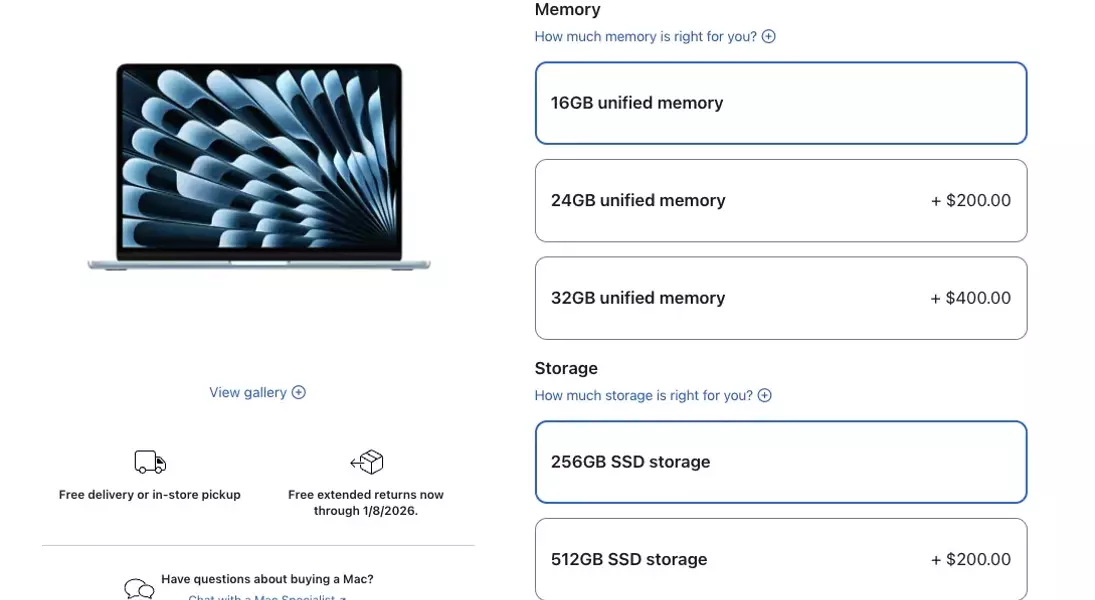
In stark contrast to Dell's opaque pricing, Apple maintains a clear and consistent pricing model for its memory upgrades, albeit at a premium. For instance, upgrading a MacBook Air M4 from 16 GB to 32 GB of RAM currently costs $400, a price point that has remained relatively stable over the years, irrespective of market fluctuations in memory component costs. Framework acknowledges Apple's transparency in this regard, while still questioning the justification for such consistently high charges.
Framework's Upcoming Price Adjustments and Industry Implications
Framework's announcement of impending memory price increases comes at a time when the company is also highlighting what it views as unfair practices by competitors. Currently, Framework charges an $80 upgrade fee for moving from 16 GB to 32 GB of RAM. The company's future pricing strategy remains to be fully disclosed, but it anticipates that its new rates will more closely align with the pricing observed from Dell, signaling a potential industry-wide trend toward higher memory costs. The evolving landscape of memory pricing across the tech sector continues to be a point of considerable debate and consumer interest.
