Fortnite's Creative mode, a hub for player-made experiences, is currently under scrutiny following the controversial introduction of in-game purchases. This shift has ignited a debate among players and industry observers, particularly after a game within the Creative ecosystem, "Steal the Brainrot," implemented monetization tactics resembling gambling. These developments cast a shadow over Epic Games' previous pledges to maintain a gambling-free environment and raise concerns about the platform's future direction, especially considering its appeal to younger audiences.
Fortnite's Creative Mode Plunges into Microtransaction Controversy with "Steal the Brainrot"
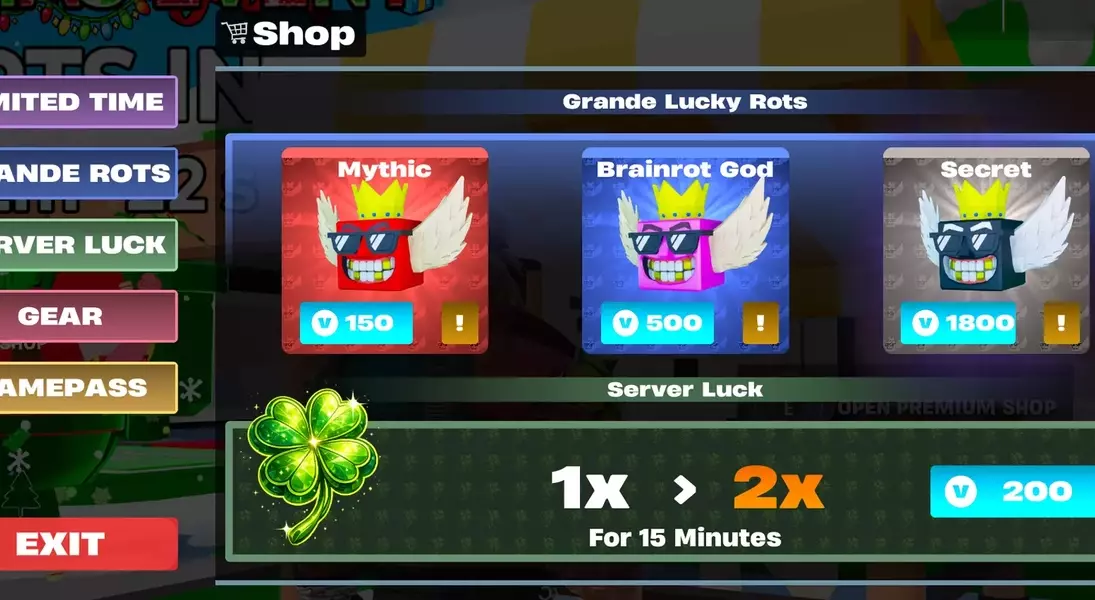
In a significant shift, Epic Games, the developer behind the massively popular online game Fortnite, rolled out a new feature on Friday, January 9, allowing in-game purchases within user-created Creative islands. This move, initially announced in September 2025, quickly drew criticism when "Steal the Brainrot," a prominent Creative game akin to Roblox's user-generated content, introduced randomized item bundles that players could acquire using real-money V-bucks. Specifically, "Steal the Brainrot" began offering a 4,900 V-buck loot box, equating to approximately $36.99, which grants two randomized items. A single-item box priced at 2,700 V-bucks (around $22.99) was also made available.
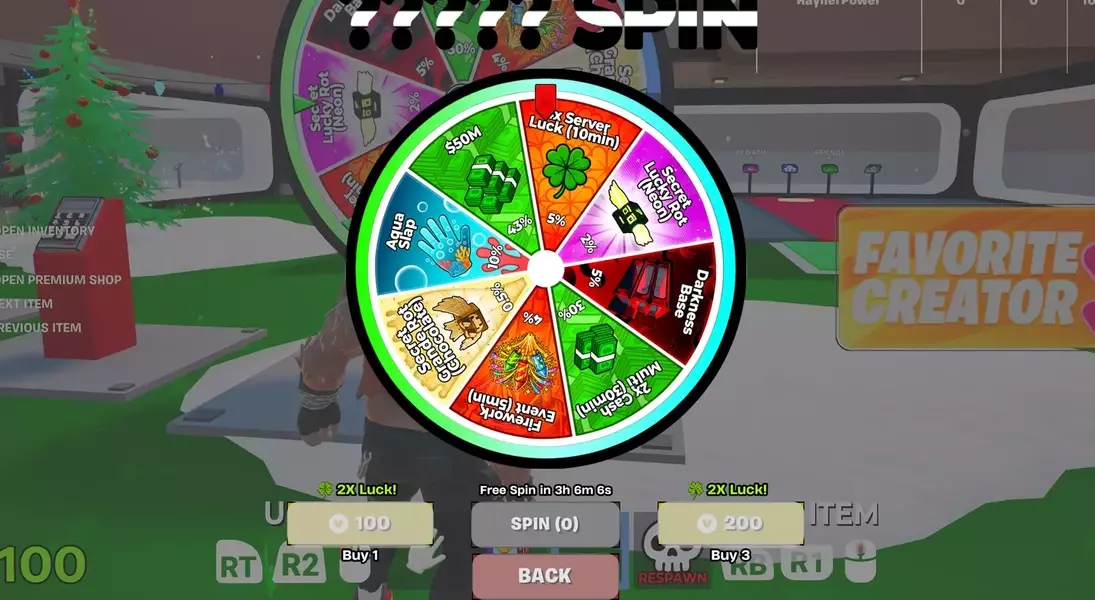
Beyond these expensive, randomized bundles, the developers of "Steal the Brainrot" further exacerbated the controversy by implementing a prize wheel. While the initial spin is free, subsequent attempts cost 100 V-bucks, promising a doubled chance of winning a lucky prize, a mechanic widely interpreted as a form of in-game gambling. This directly contradicts Epic Games' earlier commitments following a 2022 settlement with the Federal Trade Commission (FTC). The FTC had fined Epic Games $245 million for allegedly using "dark patterns" to trick players into unwanted purchases and allowing unauthorized charges by children.
Following that settlement, Epic Games publicly pledged to remove loot boxes, ensure "no gambling ever," and introduce improved refund policies, enhanced parental controls, and daily spending limits for players under 13. The company is currently offering creators using in-game purchases 100% of their earnings until February 1, 2027, after which both Epic Games and the creators will split the profits. This incentive model has fueled rapid monetization within Creative islands, stirring apprehension about Fortnite potentially evolving into a platform dominated by hastily developed, microtransaction-laden experiences, similar to criticisms leveled against Roblox's user-generated content.
The current situation in Fortnite's Creative mode, particularly with titles like "Steal the Brainrot," presents a concerning trajectory. Despite Epic Games' past regulatory entanglements and subsequent pledges to protect consumers from exploitative monetization, the introduction of gambling-like mechanics and expensive randomized purchases in user-generated content directly undermines these commitments. This development raises critical questions about responsible game design, player protection, and the ethical implications of monetizing a platform heavily frequented by younger audiences. It underscores the ongoing challenge of balancing creator incentives with consumer welfare in the rapidly evolving landscape of digital entertainment.
