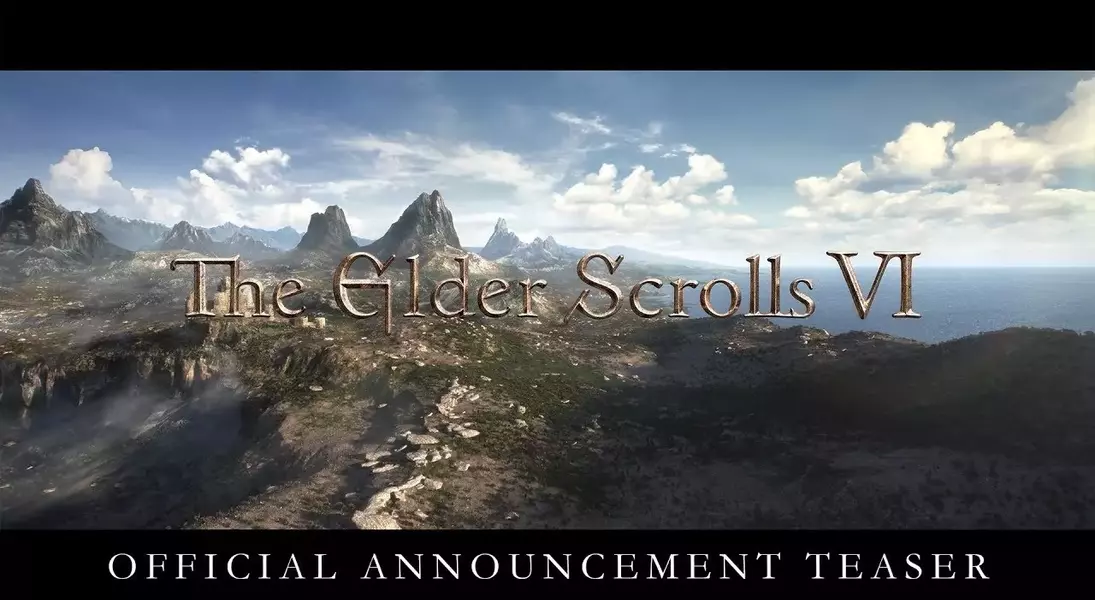
Former Elder Scrolls loremaster, Kurt Kuhlmann, has offered a glimpse into the early discussions surrounding the highly anticipated setting of The Elder Scrolls 6. While refraining from revealing the specific location, Kuhlmann noted that a general agreement among key developers regarding the game's geographical placement was established during the development of Fallout 4. He emphasized that this consensus was reached with remarkable ease, indicating a clear vision among the team at the time, although he acknowledges that plans may have evolved since his departure from Bethesda in 2023. This revelation surfaces eight years after the initial, enigmatic teaser for The Elder Scrolls 6, leaving fans to continue their fervent speculation about where the next installment will transport them.
Early Discussions Reveal 'Obvious' Setting for The Elder Scrolls 6, While Ex-Loremaster Reflects on Missed Opportunity
In a recent interview, Kurt Kuhlmann, Bethesda's former loremaster for The Elder Scrolls series, shed light on the initial brainstorming for The Elder Scrolls 6's setting. During the period when Fallout 4 was in active development, a small group within Bethesda reached a unanimous decision on where the next Elder Scrolls title should take place. Kuhlmann recalled that this choice was perceived as "obvious" among them, reflecting a clear direction for the game's world, despite a lack of specific story details at that early stage. He confirmed that while he is no longer privy to the current development process, this early agreement highlights the long gestation period for the game, which was first teased to the public in 2018 with a brief, cinematic view of mountains.
Kuhlmann also revealed his disappointment regarding the lead designer role for TES6. After co-leading Skyrim's development, he was initially promised this position by Todd Howard. However, with the subsequent launches of Fallout 4, Fallout 76, and Starfield, Howard's plans shifted. Kuhlmann's aspirations were ultimately dashed towards the conclusion of Starfield's development, years after the TES6 announcement. This suggests that the development of TES6 was very much in its infancy when it was first announced, and that much of Bethesda's resources were dedicated to Starfield. Kuhlmann, however, had conceived a narrative where TES6 would mirror "The Empire Strikes Back," allowing players to achieve a broad victory but concluding with the Thalmor's ascendance over Tamriel, thereby establishing a dramatic setup for TES7. Despite ongoing fan theories heavily favoring Hammerfell or High Rock as potential settings, the actual location remains a mystery, primarily based on an eight-year-old teaser and pure conjecture.
The protracted silence surrounding The Elder Scrolls 6, punctuated only by an eight-year-old teaser, underscores the gaming industry's evolving landscape, where ambition often clashes with the realities of development cycles. Kuhlmann's insights suggest that even with a clear initial vision, the path to a finished game is fraught with strategic shifts and resource reallocations. This scenario prompts a broader reflection on the balance between early hype and tangible progress, highlighting the need for developers to manage expectations while nurturing creative visions. For players, it reinforces the virtue of patience, as the immersive worlds of these grand RPGs demand meticulous crafting. Ultimately, the waiting game for The Elder Scrolls 6 becomes a testament to the enduring appeal of its universe and the fervent hope for a truly groundbreaking experience, whenever it may arrive.
