Razer is venturing into a new frontier of peripheral management with the introduction of Synapse Web, a browser-based tool designed to control your gaming gear directly from your web browser. This innovative platform, currently in its beta phase, promises a more streamlined experience, moving away from the traditional desktop application model.
Embrace the Future: Manage Your Gear Online, Anywhere, Anytime!
Razer's Ambitious Leap into Web-Based Control for Peripherals
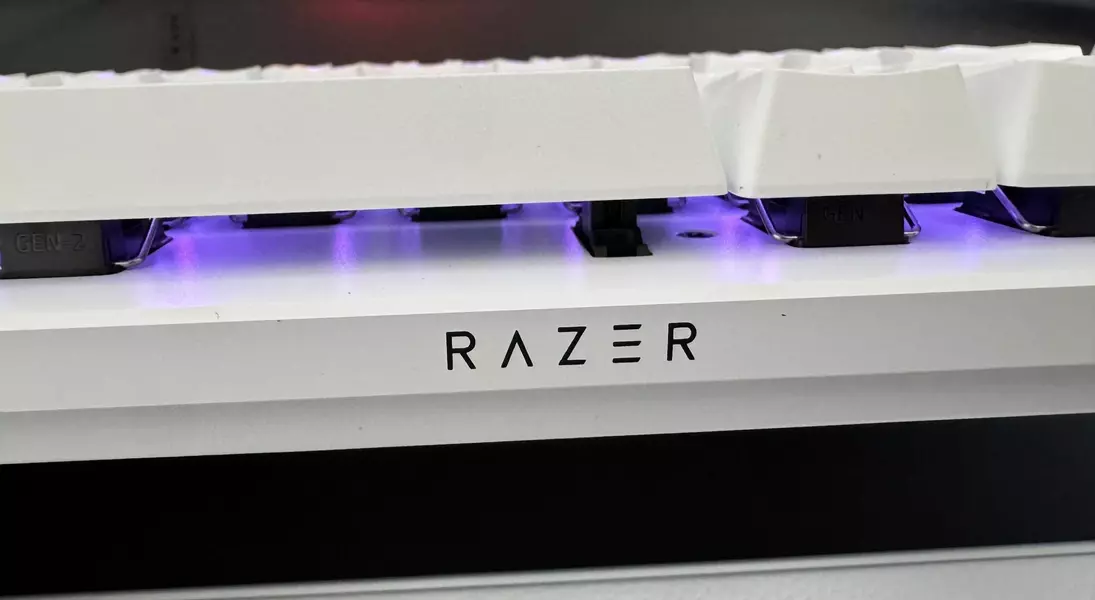
Razer has unveiled Synapse Web, a new online application that allows users to manage their peripherals through Chromium-based browsers. This beta launch marks a strategic shift towards web-centric device control, initially supporting a select range of keyboards including the Razer Huntsman V3 Pro, Mini, and 8 kHz models. This initiative is set to offer a more flexible approach to configuring gaming hardware.
Initial Hurdles and the Promise of a Refined Experience
Despite its forward-thinking concept, Synapse Web is navigating through some early-stage challenges. Users, including some testers, have reported difficulties in connecting their devices, highlighting the beta's inherent limitations. However, as these initial kinks are resolved and device compatibility expands, the platform is poised to become an invaluable tool for Razer enthusiasts seeking to avoid the perceived 'bloatware' of traditional desktop software.
Optimizing System Resources: The Web App's Memory Footprint
One of the key benefits anticipated from the web-based approach is a reduction in system resource consumption. While the existing Synapse desktop application can utilize a notable amount of RAM, the browser counterpart is expected to offer a lighter alternative. This is particularly appealing for users who prefer to minimize background processes and maintain system agility, even if the difference in memory usage might vary once full functionality is achieved.
Beyond Windows: Expanding Compatibility to Linux Environments
Synapse Web holds significant promise for users operating on alternative platforms like Linux. By providing browser-based control, Razer could eliminate the need for complex third-party drivers and software installations, simplifying peripheral management for a broader audience. While some initial configuration might still be required for WebHID access, it represents a considerable step towards greater platform independence and user convenience.
The Double-Edged Sword: Online Accessibility vs. Offline Limitations
While the convenience of web-based software is undeniable, it also introduces a dependency on internet connectivity. In scenarios where internet access is unavailable or server issues arise, users might find themselves unable to configure their devices. This highlights the importance of maintaining an option for local software, perhaps as a dormant installation, to ensure continuous functionality and offer users the best of both online and offline worlds.
A Glimpse into the Future of Peripheral Management
The introduction of Synapse Web, despite its current limitations and minor glitches, signals a progressive movement in the peripheral industry. The shift towards browser-based management is viewed as a crucial step forward, especially considering the often-temperamental nature of traditional peripheral software. This trend suggests a future where gaming hardware configuration is more accessible, efficient, and less tethered to specific operating systems or heavy local installations, encouraging other manufacturers to follow suit.
