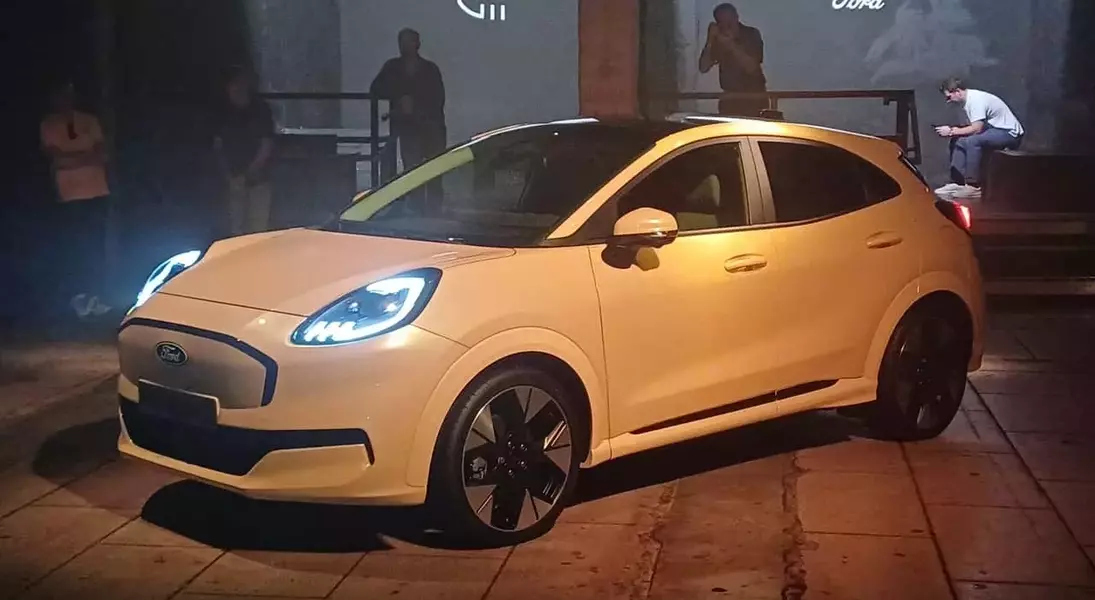
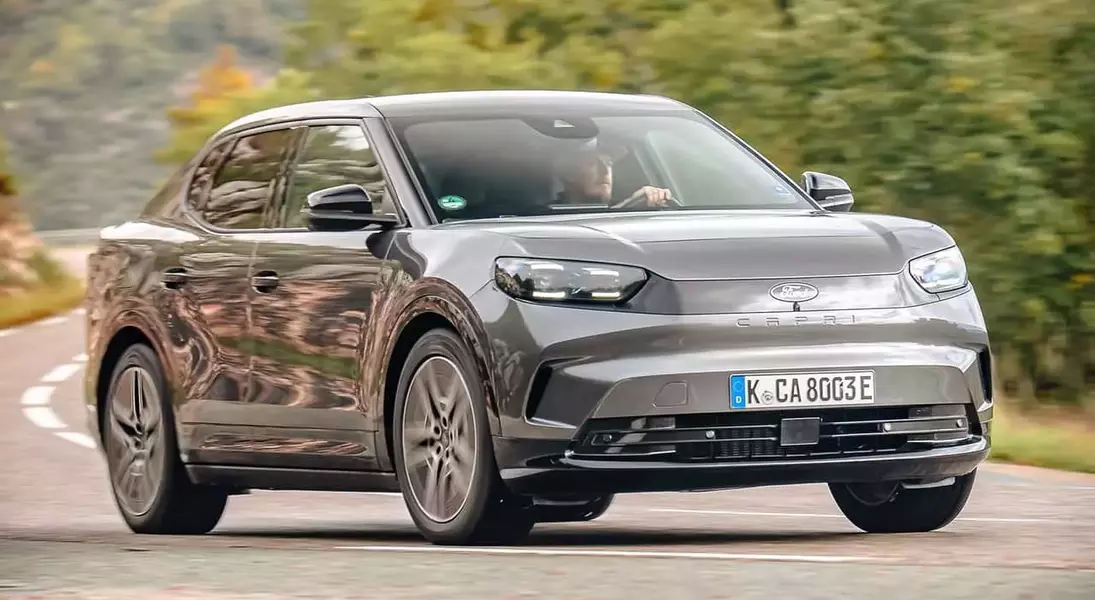
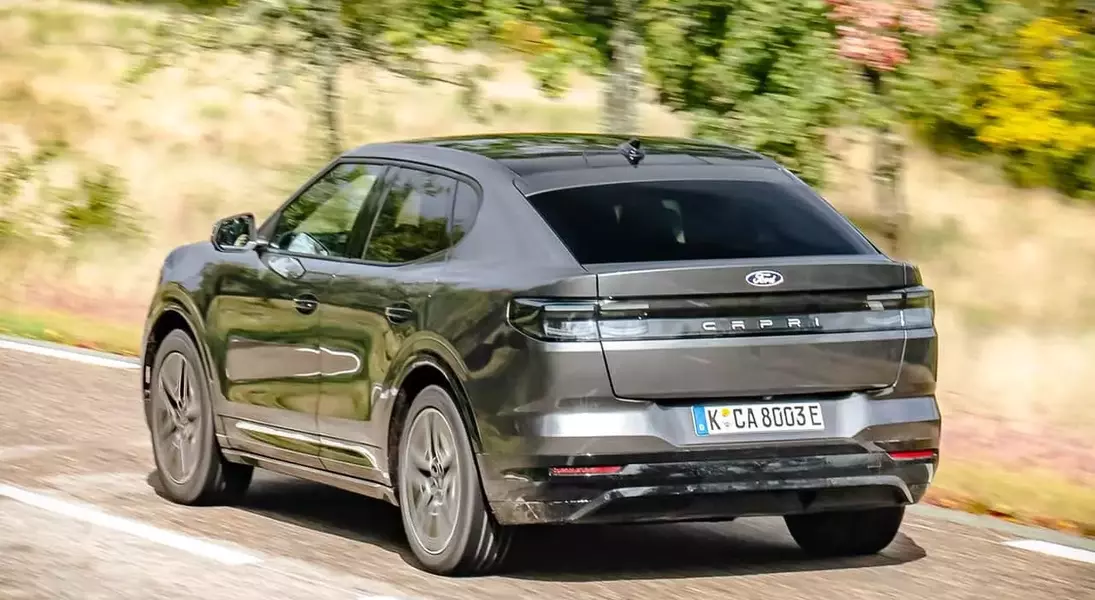

Ford is sounding the alarm regarding Europe's ambitious electric vehicle (EV) mandates, warning that an overly rapid transition away from internal combustion engines (ICE) could have unintended negative consequences. The automotive giant believes that if consumers are forced into EV adoption faster than market conditions and infrastructure can support, they might opt to keep their older, less eco-friendly vehicles for extended periods, undermining the very goal of emission reduction.
Previously, Ford of Europe had set an objective to cease sales of combustion-engine passenger cars by 2030. However, this target has been reassessed due to the slower-than-anticipated pace of EV integration. Data from the European Automobile Manufacturers' Association (ACEA) indicates that fully electric cars constituted 19.5% of sales in the broader European region last year, a figure that marginally increased to 20.6% in the first quarter of 2026. Despite this growth, Ford acknowledges the substantial journey ahead for widespread EV adoption.
The company argues that emission reduction targets should align with genuine consumer demand and the availability of robust charging infrastructure. Ford of Europe's President Jim Baumbick highlighted that imposing a transition quicker than the market can absorb risks decelerating the rate at which older vehicles are replaced with newer, more efficient ones. This perspective suggests that a more pragmatic approach, which considers the practicalities of consumer behavior and supporting infrastructure, is essential for effective environmental policy.
The implications of stringent emissions targets extend beyond 2035, when a 90% reduction in CO2 emissions from 2021 levels is mandated. Automakers also face intermediate CO2 targets, with a 55% reduction required by 2030. Failure to meet these benchmarks can result in significant financial penalties. For instance, Volkswagen Group has projected potential fines of up to €1.5 billion for exceeding CO2 targets between 2025 and 2027, prompting them to push EV sales beyond natural demand. The upcoming Euro 7 standard further complicates compliance for manufacturers.
In response to these challenges, Ford proposes regulatory adjustments that would foster the development and adoption of plug-in hybrids and extended-range electric vehicles (EREVs). EREVs, which use a combustion engine primarily as a generator for the battery without directly powering the wheels, offer a过渡 solution. This approach could provide a bridge for consumers not yet ready for full electric vehicles, while still contributing to emissions reductions. Ford is committed to introducing five new models in Europe by the end of the decade, three of which will feature multi-energy powertrains, alongside two all-electric models, demonstrating a diversified strategy to navigate the evolving market.
This strategic shift comes as Ford faces a declining market share in Europe, partly due to the discontinuation of popular models like the Fiesta, Focus, Mondeo, and Galaxy minivan. In the first quarter of 2026, Ford's passenger car market share dropped to 2.8%, with registrations falling by 14.6% to 100,056 units. The company hopes its new product lineup, developed with input from partners like Renault for some EV components, will revitalize its position in the European market. Increased flexibility in regulations regarding combustion-engine vehicles could also bolster automakers' profitability, allowing them to reinvest in accelerating EV research and development, ultimately supporting the long-term goal of decarbonization.
