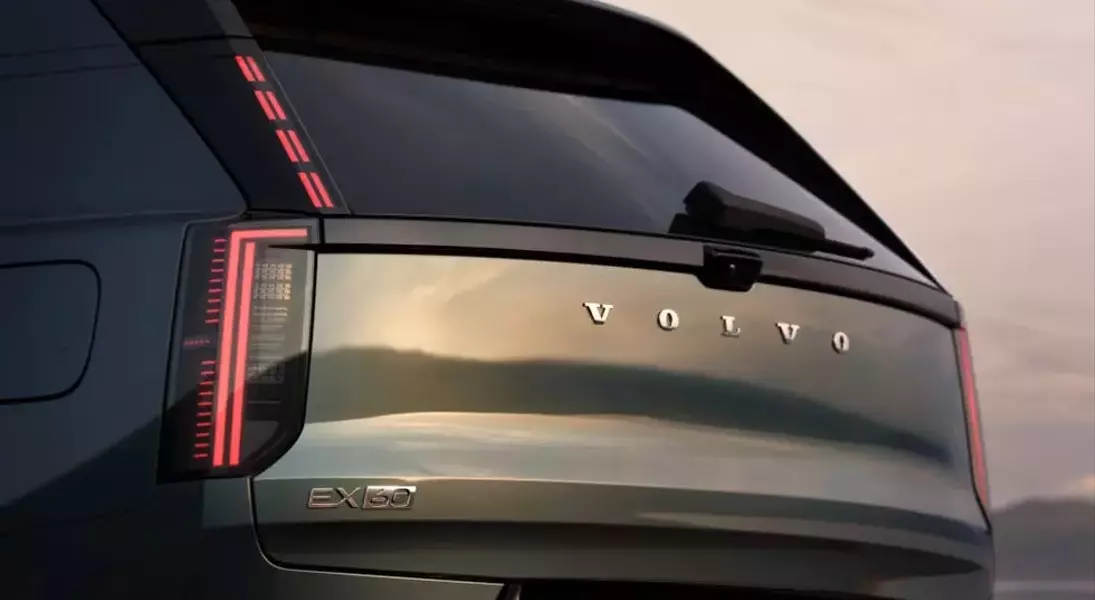
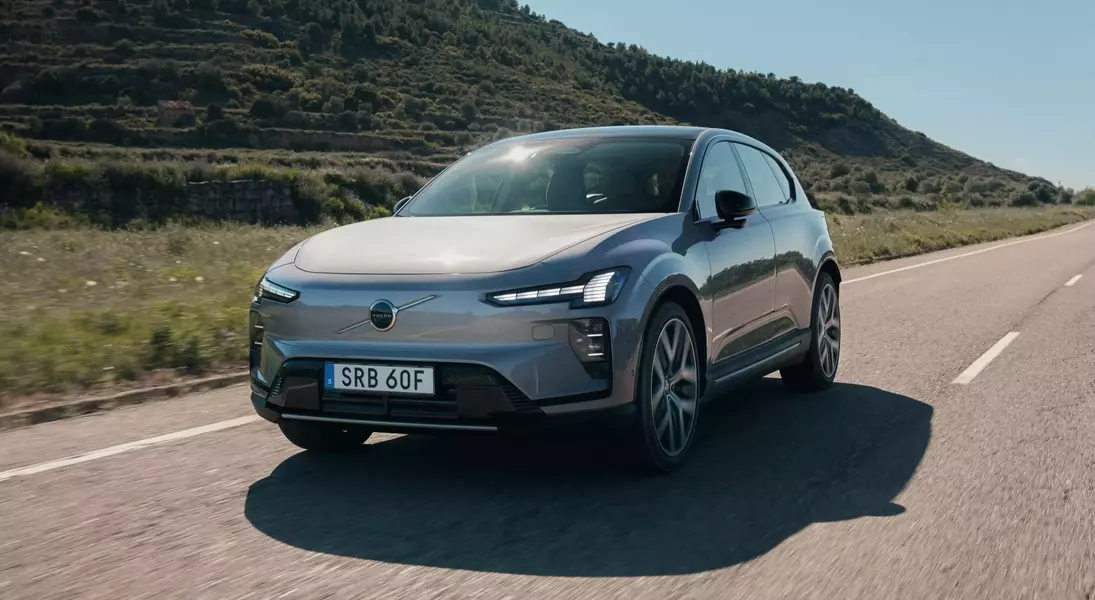
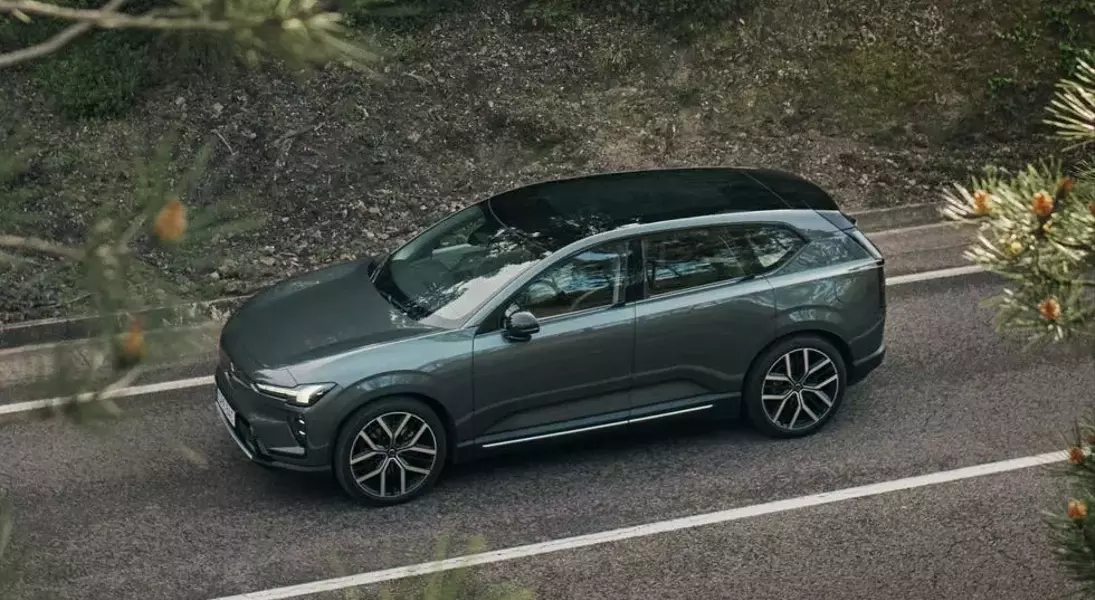

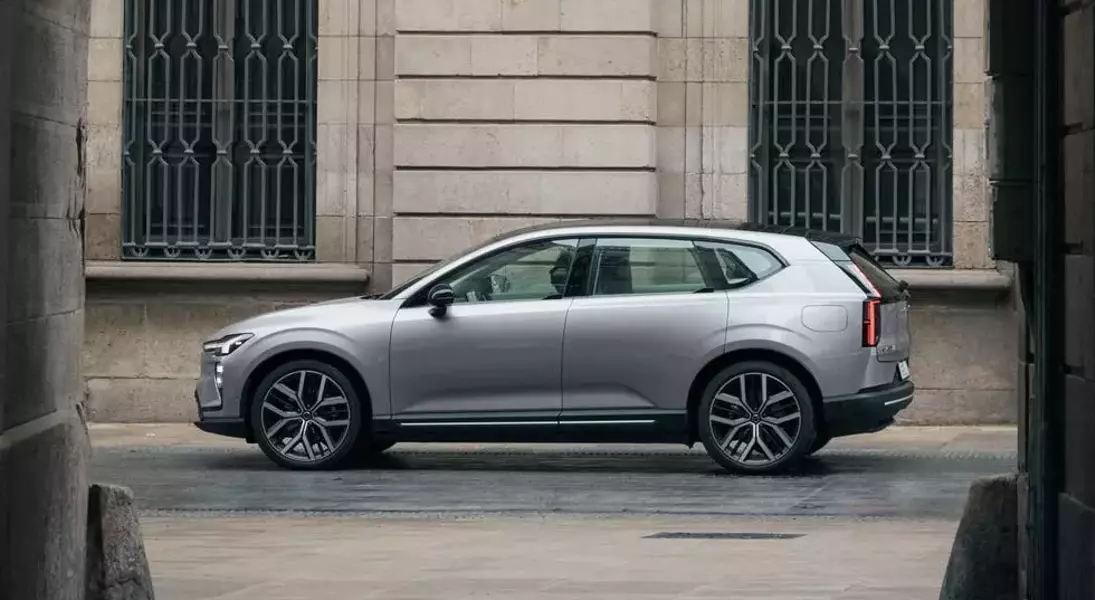
In an era where technology is rapidly integrating into every aspect of our lives, the automotive industry is no exception. Volvo’s 2027 EX60 SUV represents a significant leap forward, showcasing the manufacturer's vision for a software-defined future. This electric marvel is designed not just as an alternative to its gasoline-powered siblings but as a pioneering vehicle that redefines the driving experience through advanced digital ecosystems.
The 2027 Volvo EX60: A Technological Marvel on Wheels
The highly anticipated 2027 Volvo EX60, recently unveiled during a captivating drive through the picturesque Spanish countryside near Barcelona, heralds a new epoch for electric SUVs. This isn't merely an electric counterpart to the renowned Volvo XC60; it stands as a comprehensive demonstration of the brand's cutting-edge digital ecosystem.
At the heart of the EX60 lies the innovative HuginCore central nervous system, a sophisticated fusion of proprietary hardware and software developed through strategic partnerships with industry titans such as Google, Nvidia, and Qualcomm. This powerful system is engineered to facilitate substantial over-the-air updates throughout the EX60's operational lifespan, ensuring continuous improvement and adaptation. Furthermore, it significantly enhances the vehicle's active-safety features, boosting situational awareness and enabling tailored responses for front-seat occupants, thus elevating both safety and convenience to unprecedented levels.
Underpinning this technological tour de force is Volvo's advanced SPA3 platform, featuring an 800-volt electrical architecture. This innovative design harmonizes with the EX60's intricate systems to optimize energy efficiency and drastically reduce charging times. Additional engineering triumphs include smart packaging and mass reduction, achieved partly by integrating the battery cells into the floor as crucial structural elements, rather than housing them in a separate, heavier pack. The rear subframe, an aluminum megacasting, further contributes to weight savings by replacing over a hundred individual structural components.
Scheduled for its eagerly awaited U.S. debut this summer, the Swedish-built EX60 is set to enter an increasingly competitive segment of electric compact luxury SUVs. It will contend with formidable rivals such as the Audi Q6 e-tron, BMW iX3, and Mercedes-Benz GLC Electric, all of which share similar capabilities and dimensions.
The EX60 lineup offers a diverse range of powertrains to suit varied preferences. The entry-level P6 model features a single-motor, rear-wheel-drive configuration, delivering a robust 369 horsepower and equipped with an 80-kWh battery capable of rapid charging at up to 320 kilowatts. For those desiring more power, the dual-motor, all-wheel-drive P10 variant boasts a formidable 503 horsepower and a larger 91-kWh battery, supporting an impressive maximum charging rate of 370 kilowatts. Later this year, a high-performance 670-hp P12 model with a 112-kWh battery is anticipated, followed by a rugged Cross Country version (available in both P10 and P12 tunes) for the 2028 model year, completing the comprehensive EX60 portfolio.
Volvo projects that both the P6 and P10 models can recover approximately 160 miles of range in just 10 minutes of charging. A 10 to 80 percent charge is estimated to take a mere 18 minutes, facilitated by a standard NACS port for seamless connectivity with Tesla Superchargers. Depending on the wheel size chosen (20-, 21-, or 22-inch options), EPA range estimates for the P6 hover around 295 to 307 miles, while the P10 offers an extended range of 312 to 322 miles.
The EX60's interior is a testament to Scandinavian design principles: clean, restrained, and meticulously crafted. Compared to the XC60, the EX60 offers slightly more length and a longer wheelbase, translating into generous legroom and increased headroom throughout the cabin, thanks to its lower floor. The vehicle provides 20 cubic feet of cargo volume in the rear, complemented by a spacious underfloor storage bin and a small front trunk. Folding down the rear seats expands the total cargo capacity to 58 cubic feet.
The cabin exudes an inviting atmosphere with its high-quality materials and impeccable fit and finish. A fabric-covered dashboard adds texture and warmth, balancing the sleek, industrial forms. A standard glass roof, optionally enhanced with electrochromic dimming, floods the interior with natural light, while the exceptionally supportive front seats ensure unparalleled comfort.
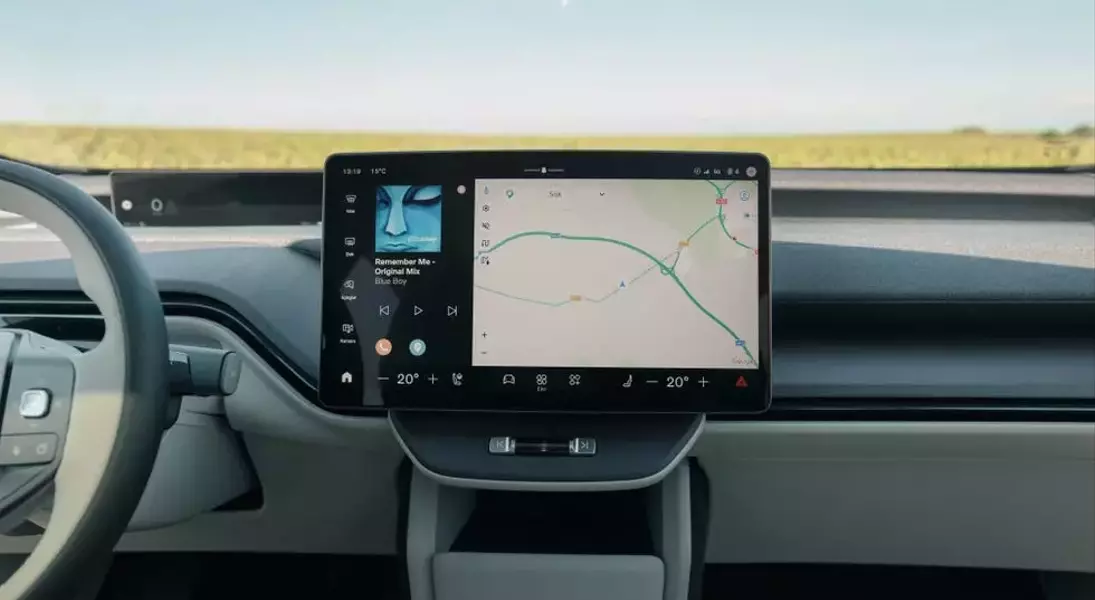
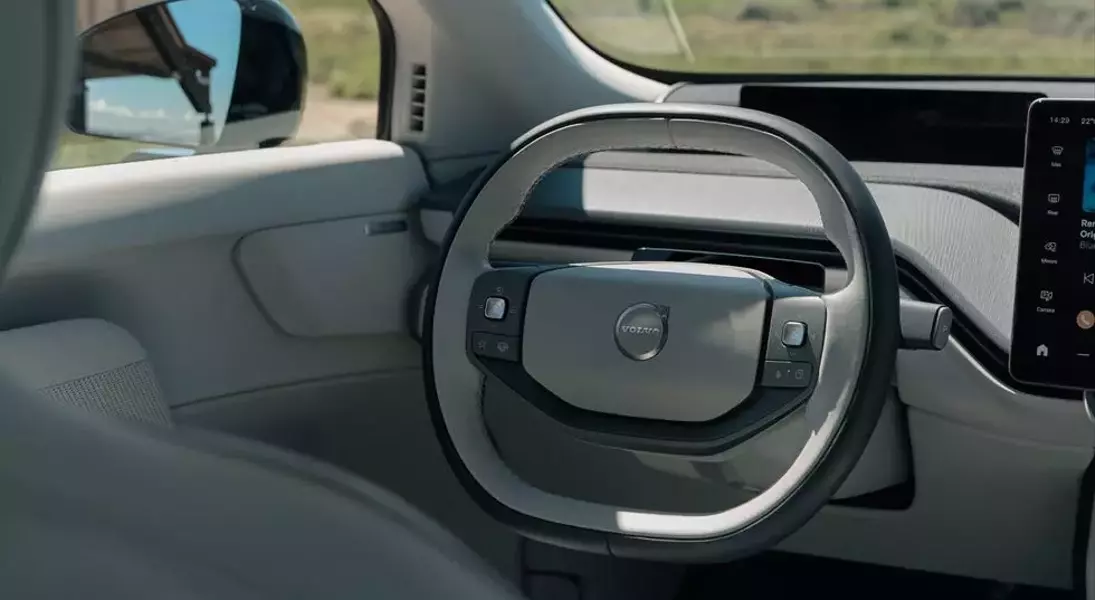
Central to the EX60’s interior experience is its advanced Android-based infotainment system, displayed on a responsive 15.0-inch OLED touchscreen. This vibrant and intuitively structured interface marks a significant improvement over previous Volvo systems. While the integration of Google's Gemini AI chatbot might raise questions about user data, its ability to respond to natural-language queries while driving is a notable technological achievement. However, the scarcity of physical controls, with climate and HVAC vent adjustments exclusively accessible via the touchscreen, presents a minor practical drawback, despite the presence of useful buttons on the new steering wheel and a sophisticated volume scrolling wheel.
Ultimately, the EX60 excels in delivering refined isolation. The cabin remains impressively quiet, particularly on well-maintained roads. Its composed ride comfort and well-disciplined body motions contribute to a confident driving experience. The quick, albeit somewhat remote, steering action provided by the unusually small, ovoid steering wheel adds a distinctive touch.
Both initial models offer respectable acceleration, with the P6 reaching 60 mph in an estimated 5.7 seconds and the P10 in 4.4 seconds. Multiple levels of regenerative braking, including a one-pedal driving mode, minimize the need for frequent use of the friction brakes, which, when engaged, offer a firm and consistent feel.
Remarkably, the sophisticated features of the EX60 are accessible from a competitive starting price of $59,795 for the P6, positioning it favorably against both Volvo’s own plug-in hybrid XC60 T8 and German EV competitors. With the P10 offering enhanced range and power for an additional $2350, it presents a compelling upgrade. Both versions come generously equipped in the standard Plus trim, while the fancier Ultra models offer additional luxuries such as ventilated front seats, nappa leather upholstery, and an immersive 28-speaker Bowers & Wilkins stereo with Dolby Atmos tuning. Despite its potentially polarizing modernist design, the EX60 unequivocally ushers in a compelling future for Volvo, blending cutting-edge technology with refined luxury.
The Volvo EX60 represents a pivotal moment in automotive evolution, demonstrating how seamlessly technology can be integrated to enhance not just performance and safety, but also the overall user experience. This model is a beacon of innovation, setting a new standard for luxury electric SUVs and promising a future where vehicles are more intuitive, connected, and environmentally conscious. Its sophisticated design, both inside and out, paired with its advanced digital brain, positions the EX60 as a significant contender in the burgeoning electric vehicle market, offering a glimpse into the next generation of intelligent mobility.
