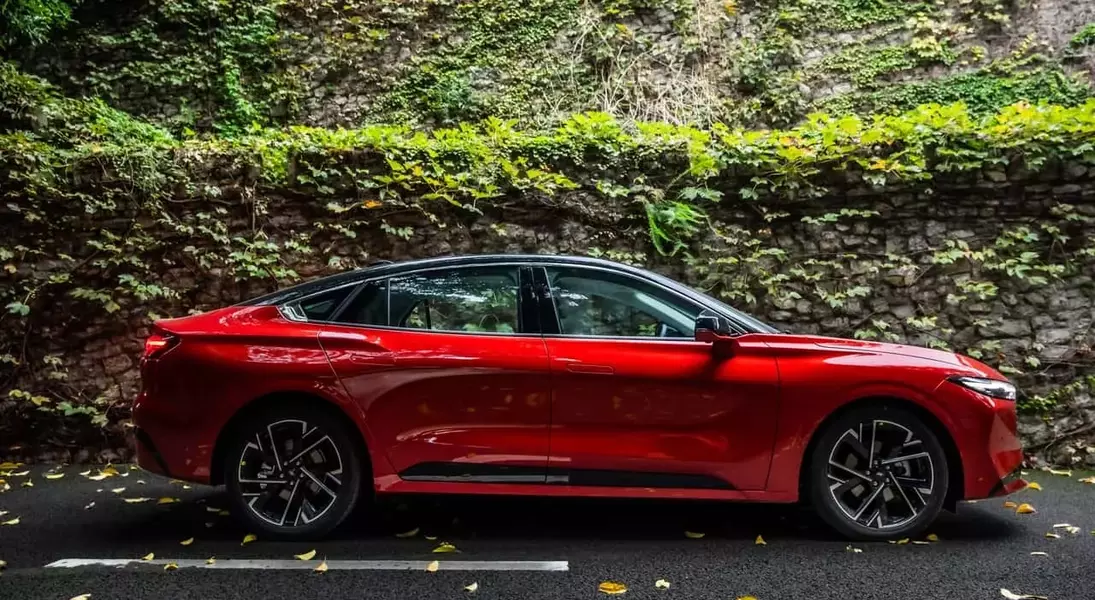
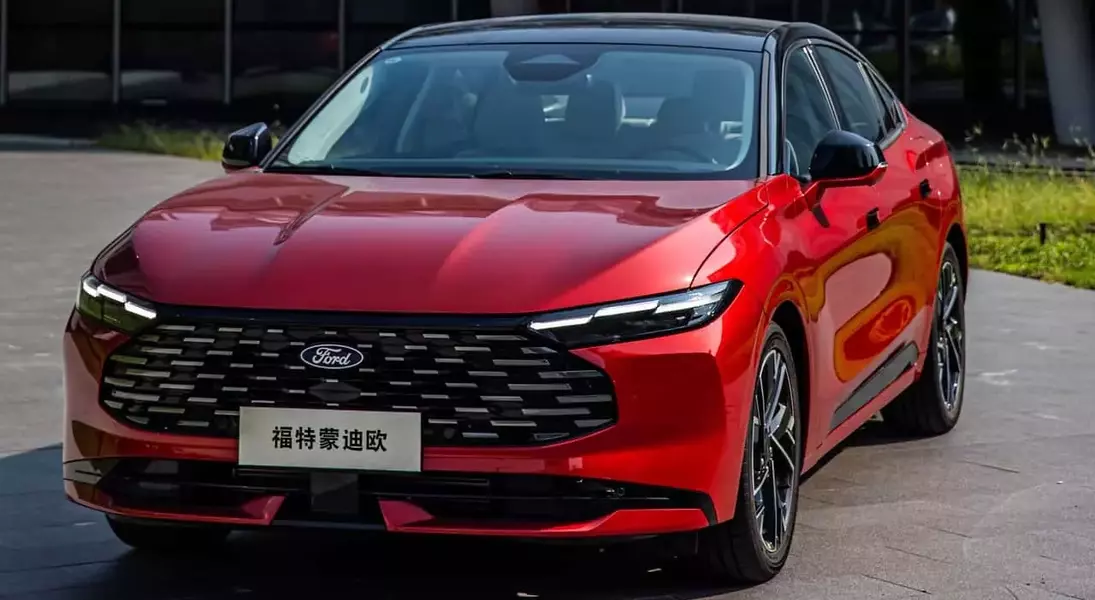
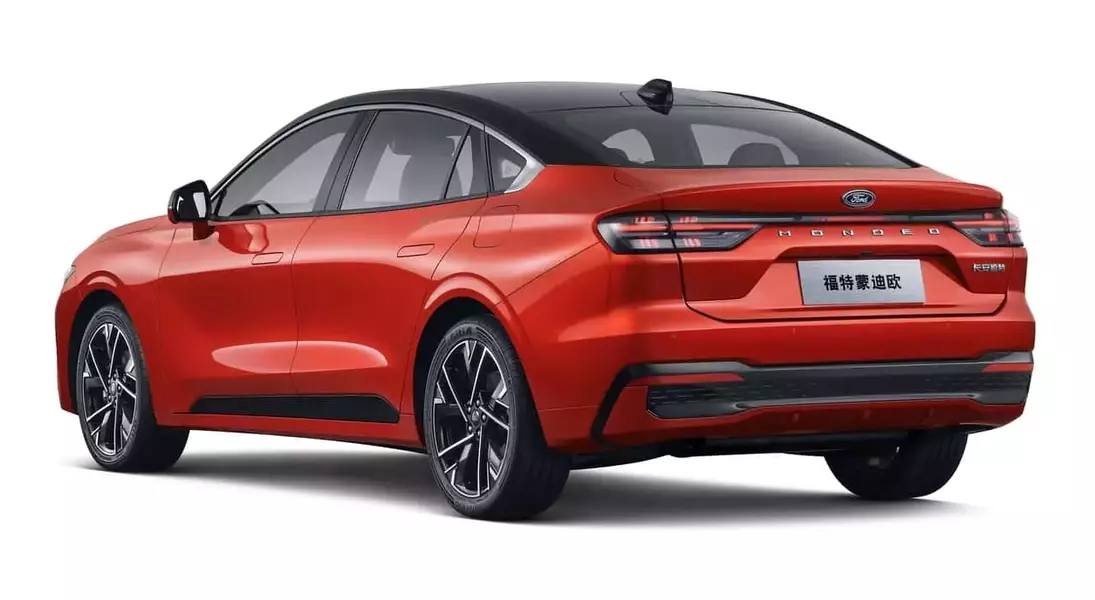
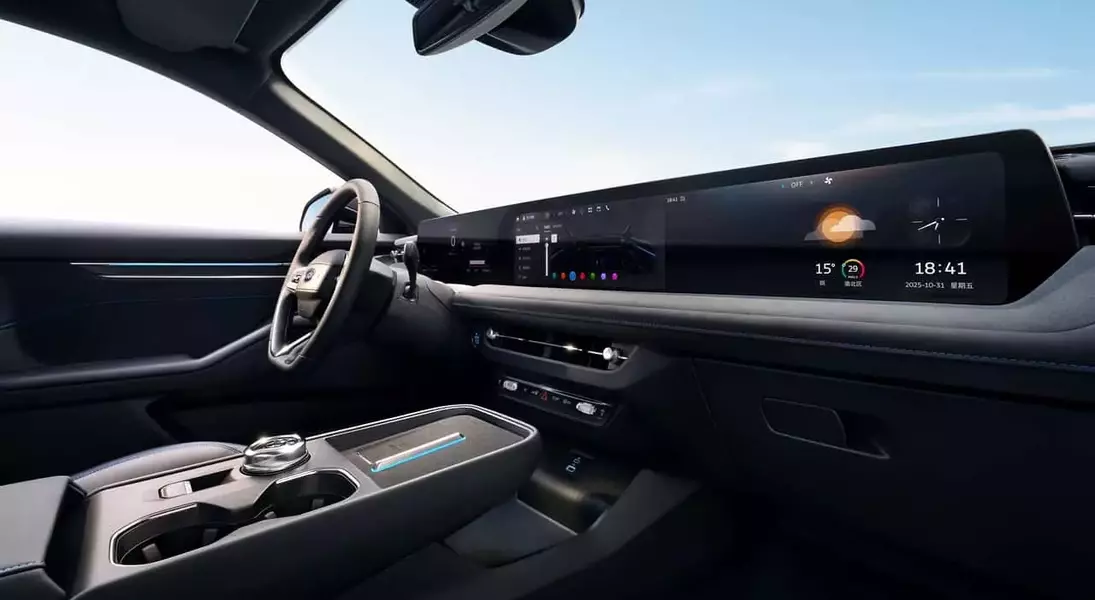
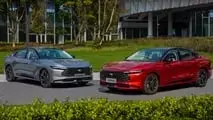





Ford's strategic decision to withdraw from the US sedan market was not a reflection of declining consumer interest, but rather a calculated move driven by profitability challenges, as articulated by CEO Jim Farley. The company found it increasingly difficult to compete and generate sufficient profit margins within the sedan segment. However, this doesn't signal a complete abandonment of the body style. Ford hints at a potential future re-entry into the sedan market, contingent on developing fundamentally lower-cost vehicles. Currently, the brand's traditional car offerings are limited in the US, with models like the Taurus and Mondeo continuing to be sold in select international markets. This shift aligns with Ford's broader goal of prioritizing financially viable products and focusing on vehicles that can deliver strong returns.
Ford's Reconsideration of the Sedan Market Amidst Profitability Concerns
In a revealing interview with Automotive News, Ford CEO Jim Farley explained the rationale behind the company's discontinuation of sedans in the United States, including popular models like the Fusion and Taurus, which were phased out in 2020 and 2019, respectively. According to Farley, the decision was not a response to a lack of market demand, but rather an inability to achieve profitable competition within the segment. He noted that the sedan market remains "very vibrant" and suggested that Ford might reconsider its stance if a path to profitability could be identified. While the US market has seen the exit of most Ford sedans, the Taurus persists in the Middle East and the Mondeo, a similarly sized vehicle, is still available in China.
This drive for profitability also led to the retirement of the Fiesta and Focus globally in 2023 and 2025, respectively. Farley previously indicated in 2024 that Ford is transitioning from producing "boring cars" to focusing on "iconic vehicles." Meanwhile, Ford Executive Chair Bill Ford emphasized the importance of engineering fundamentally lower-cost vehicles to benefit consumers, hinting at a potential strategy to make sedans economically viable again. Recent market data from 2025 demonstrates a sustained demand for sedans from other manufacturers, with models like the Toyota Camry and Corolla, Honda Civic and Accord, Volkswagen Jetta, Hyundai Elantra, and Nissan Versa, Sentra, and Altima showing significant sales figures. These statistics underscore that a considerable market for sedans still exists, suggesting that Ford's current approach leaves a segment open for competitors, particularly given rising average car prices and monthly payments.
The automotive industry is in a constant state of flux, and Ford's strategic pivot away from sedans in the American market, driven by profitability concerns, offers a valuable lesson in market adaptation. While the decision was pragmatic, it also highlights a potential missed opportunity to cater to a significant segment of consumers who still actively seek and purchase traditional sedans. The success of competitors in this very segment suggests that demand is not the issue, but rather the ability to innovate and deliver cost-effective products. This situation inspires reflection on how major manufacturers balance market trends with internal financial viability, and whether a renewed focus on affordable engineering could indeed pave the way for a triumphant return of beloved vehicle categories. The question remains whether Ford's future "iconic vehicles" will include a re-imagined, profitable sedan that resonates with a cost-conscious yet loyal customer base.
