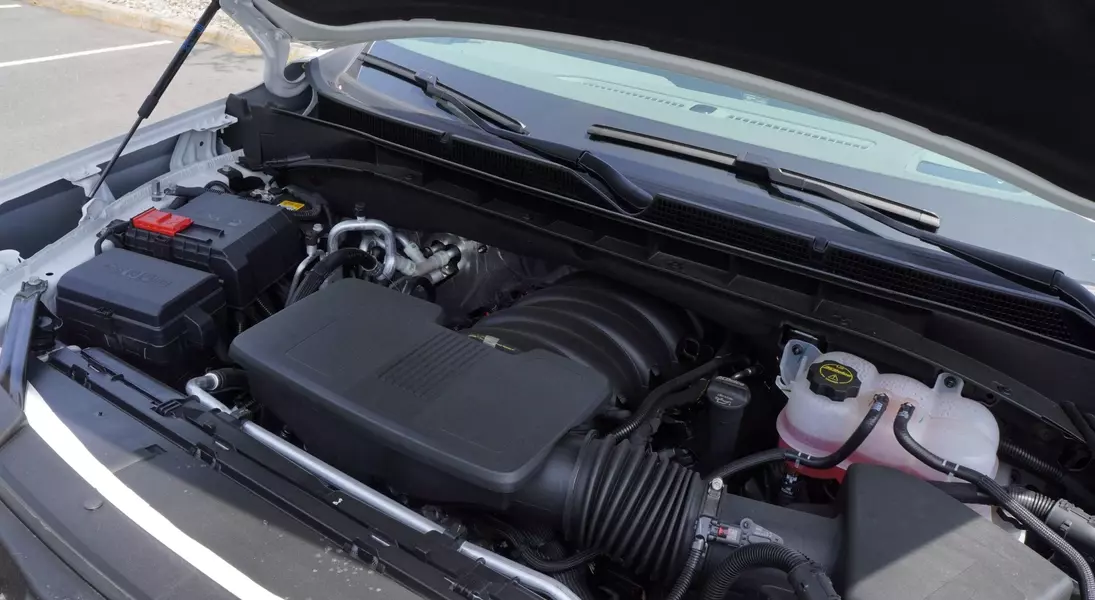

General Motors' 6.2-liter V8 engine, identified internally as the L87, continues to be a source of significant concern, prompting intensified federal scrutiny. Despite previous recalls and proposed solutions, including a recommendation to use thicker engine oil, the L87 has been plagued by a high rate of failures, leading to numerous class-action lawsuits and a thorough investigation by the National Highway Traffic Safety Administration (NHTSA). This ongoing saga highlights potential manufacturing defects and raises serious questions about consumer safety on the roads.
NHTSA Escalates Investigation into GM's L87 V8 Engine Failures
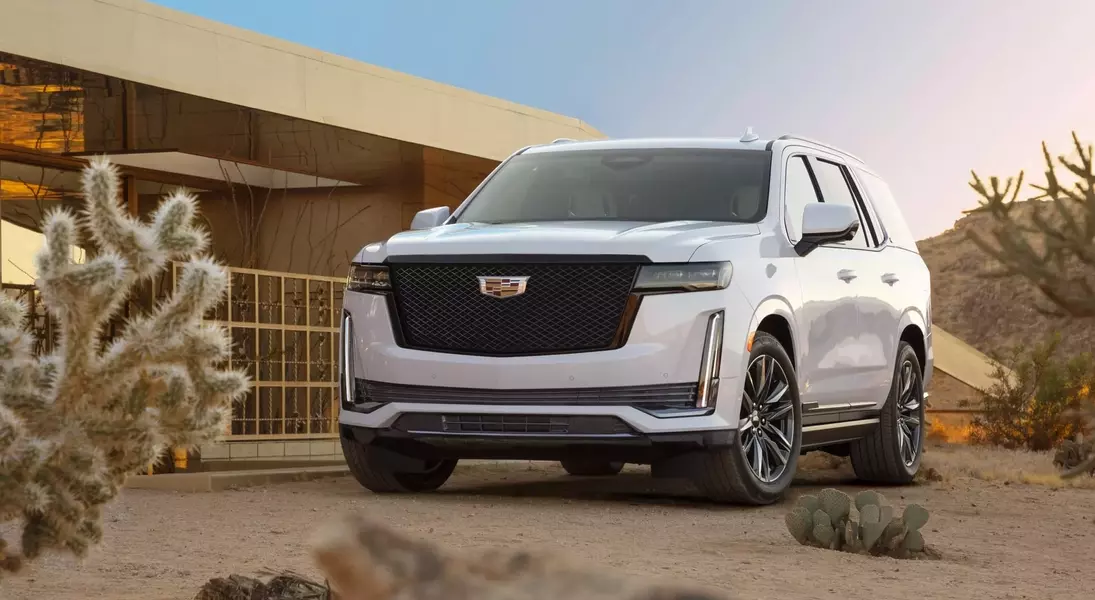
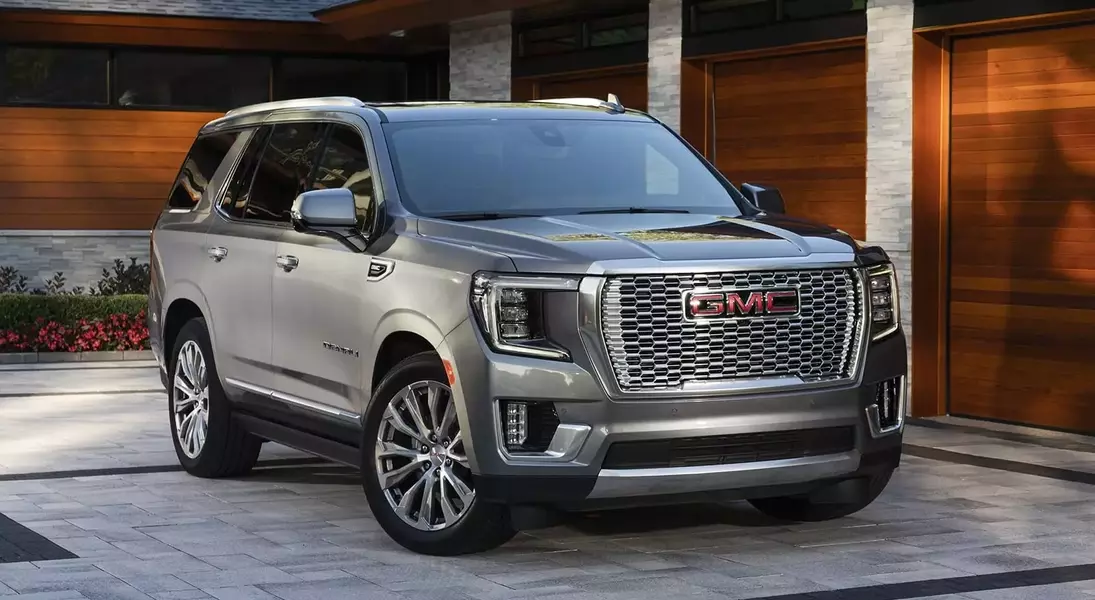
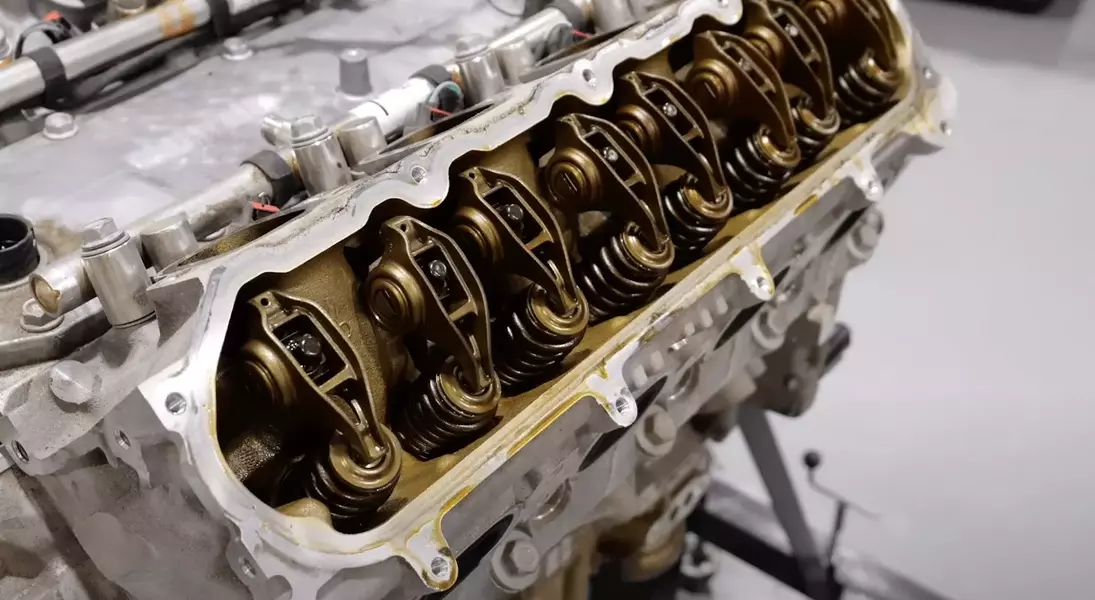
In early 2026, the National Highway Traffic Safety Administration (NHTSA) announced a critical expansion of its investigation into General Motors' 6.2-liter L87 V8 engine, following a series of widespread and concerning engine failures. Since April 2025, GM has faced a deluge of over 1,000 owner complaints, numerous class-action lawsuits, and a recall affecting more than 721,000 vehicles globally, with 597,571 in the United States alone. The core of the problem lies in manufacturing defects related to connecting rods and crankshafts, which can cause the engine to fail abruptly, sometimes even at remarkably low mileages. Initially, GM's suggested fix involved changing from 0W-20 to 0W-40 oil, a "band-aid solution" intended to offer enhanced wear protection. However, this remedy proved insufficient, as reports indicated continued engine malfunctions and even failures of replacement engines. NHTSA's involvement stems from the critical safety implications of sudden power loss, especially at highway speeds. The agency is now meticulously examining the efficacy of GM's past recall measures and its ongoing solutions, aiming to definitively pinpoint the underlying causes of these persistent mechanical breakdowns. Vehicles equipped with the L87 engine include various trims of the Chevrolet Silverado, Suburban, and Tahoe, as well as specific GMC Sierras, Yukons, and Yukon XLs, and all Cadillac Escalade models. Owners of these vehicles manufactured before June 1, 2024, are advised to remain vigilant regarding engine performance.
This situation serves as a stark reminder of the intricate balance between innovation, manufacturing quality, and consumer safety in the automotive industry. It underscores the vital role of regulatory bodies like NHTSA in ensuring that manufacturers are held accountable for product defects that could endanger lives. For consumers, this ongoing investigation emphasizes the importance of staying informed about vehicle recalls and being proactive in addressing potential issues. It also highlights the potential for significant financial and safety repercussions when vehicle manufacturers fail to adequately resolve known defects. Moving forward, the outcome of NHTSA's probe will undoubtedly shape future recall protocols and manufacturer responsibilities.
