
Ford Motor Company is currently facing legal challenges over its reimbursement policies for electric vehicle battery replacements, as two New York dealerships allege severe underpayments for costly repairs. This situation underscores broader issues within the automotive industry's shift towards electrification, particularly concerning the financial burden on dealers for high-cost EV components. The lawsuit highlights a significant discrepancy between the actual repair expenses and the compensation provided by Ford, leading to substantial financial strain on the affected dealerships. This development occurs amidst a reported decline in EV demand and Ford's re-evaluation of its electric vehicle production plans, suggesting potential cost-cutting measures that may be impacting its dealer network.
Disputed Reimbursement for EV Battery Services
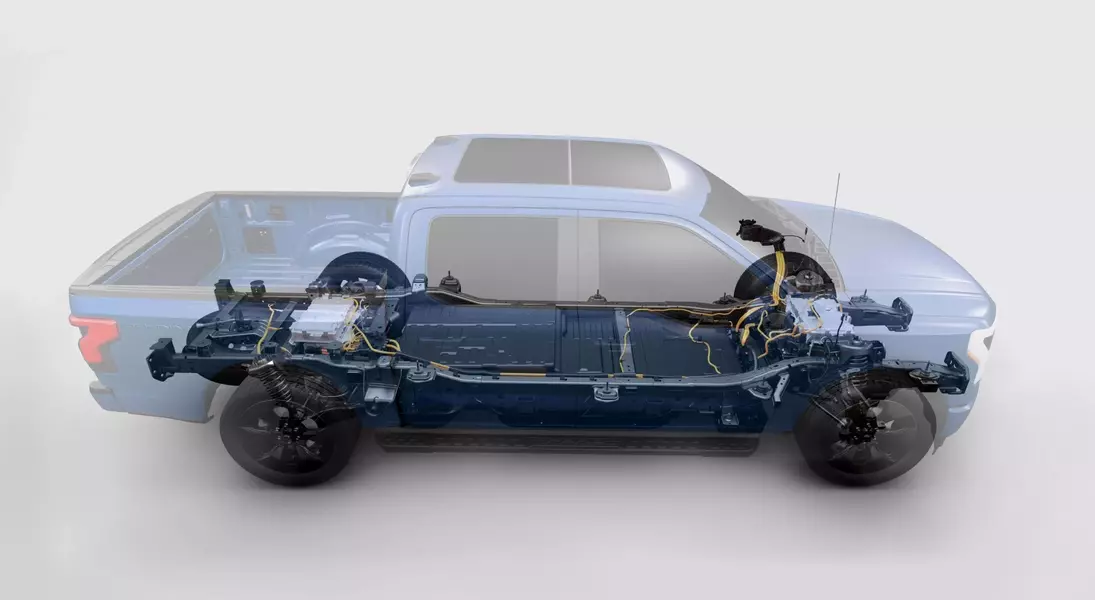
Two Ford dealerships in New York have initiated legal action, accusing the automaker of insufficient reimbursement for electric vehicle battery replacements. The dealerships claim that while the average cost for a battery replacement, including parts and labor, amounts to approximately $22,600, Ford has reportedly reimbursed as little as $600 per incident in many cases. This considerable gap has resulted in significant financial losses for the dealerships, with one reporting a shortfall of nearly $300,000 across multiple replacements. The lawsuit emphasizes that these reimbursement figures are dramatically lower than the actual expenditures, creating a major point of contention within the dealer-manufacturer relationship. This issue surfaces as Ford adjusts its electric vehicle production, including discontinuing the F-150 Lightning, signaling a recalibration of its EV strategy amid evolving market conditions.
The core of the dispute revolves around the substantial financial discrepancy observed by two New York-based Ford dealerships, Patchogue 112 Motors and Jericho Turnpike Auto Sales. These establishments carried out numerous full battery replacements on Ford's electric vehicles, incurring costs around $22,600 for each service. However, Ford is alleged to have provided reimbursements as low as $600 per repair for the majority of these instances. One dealer cited completing 15 such replacements, with 13 receiving the minimal $600 reimbursement and the remaining two being compensated at approximately $13,000 each, still leaving a deficit of around $286,200. The second dealership reported similar experiences, consistently being underpaid by roughly $20,000 per battery. These allegations raise serious concerns regarding Ford's support for its dealer network in managing the high operational costs associated with EV maintenance, especially in light of the brand's broader strategic shifts within the electric vehicle market, including the impending cessation of F-150 Lightning production. The lawsuit posits that Ford's reimbursement practices effectively shift a significant financial burden from the manufacturer to its independent dealers, challenging the established framework of dealer-manufacturer financial responsibilities.
Legal and Ethical Implications of Ford's Reimbursement Policy
The lawsuit brought against Ford highlights critical legal and ethical questions regarding fair compensation for warranty repairs under state law. New York regulations stipulate that automakers must reimburse dealerships for warranty work at rates comparable to retail services, encompassing both parts pricing and reasonable labor markups. The plaintiffs contend that Ford has disregarded these legal requirements by implementing flat-rate reimbursements that fail to reflect the true market costs of EV battery replacements. While electric vehicles are generally less costly to maintain daily, the expense of a full battery replacement, potentially reaching $25,000, makes adequate reimbursement crucial. By allegedly limiting these reimbursements, Ford is perceived as transferring its financial obligations to its dealerships, a move that could set a precedent for future disputes across the automotive industry.
Filed on December 5, 2025, the case, titled 440 Jericho Turnpike Auto Sales LLC v. Ford Motor Company, initially involves only these two New York dealerships. However, the outcome could potentially inspire similar legal actions in other states, particularly if the broader trend of declining EV sales continues to pressure automakers to cut costs. The question of whether Ford's reimbursement practices constitute a deliberate strategy to save money or merely an oversight remains to be determined through the legal process. This situation adds a layer of complexity to the dealership experience, suggesting that while Ford aims to simplify the car-buying process for consumers, the financial realities for its dealers, especially concerning high-value EV components, are becoming increasingly challenging. The legal battle will scrutinize Ford's adherence to state franchise laws and industry standards for warranty compensation, potentially influencing how other manufacturers manage their relationships with their dealer networks as the automotive sector continues its electric transition.
