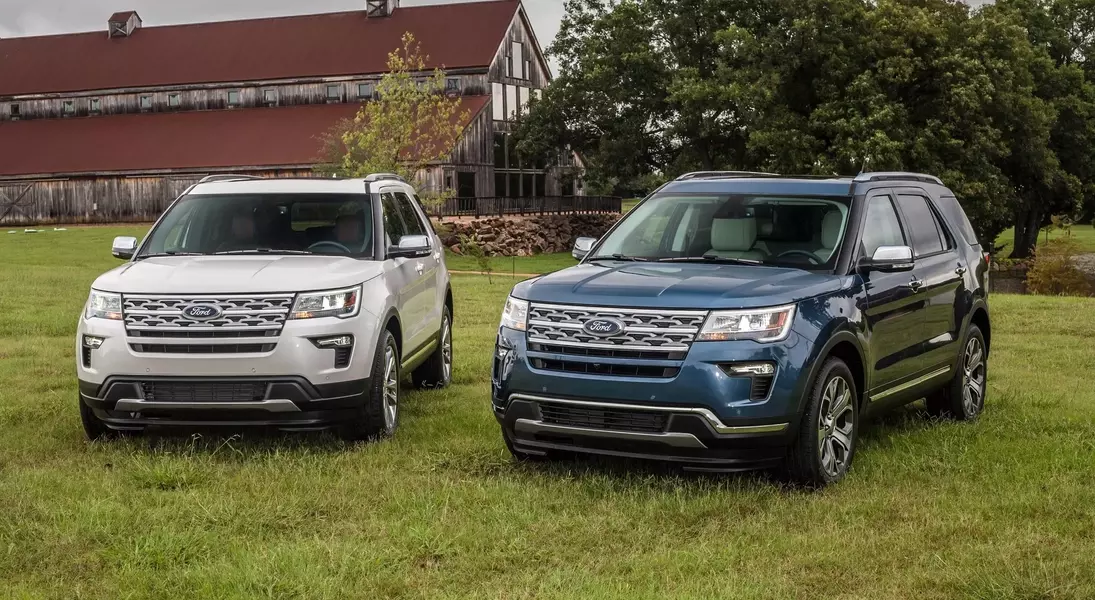
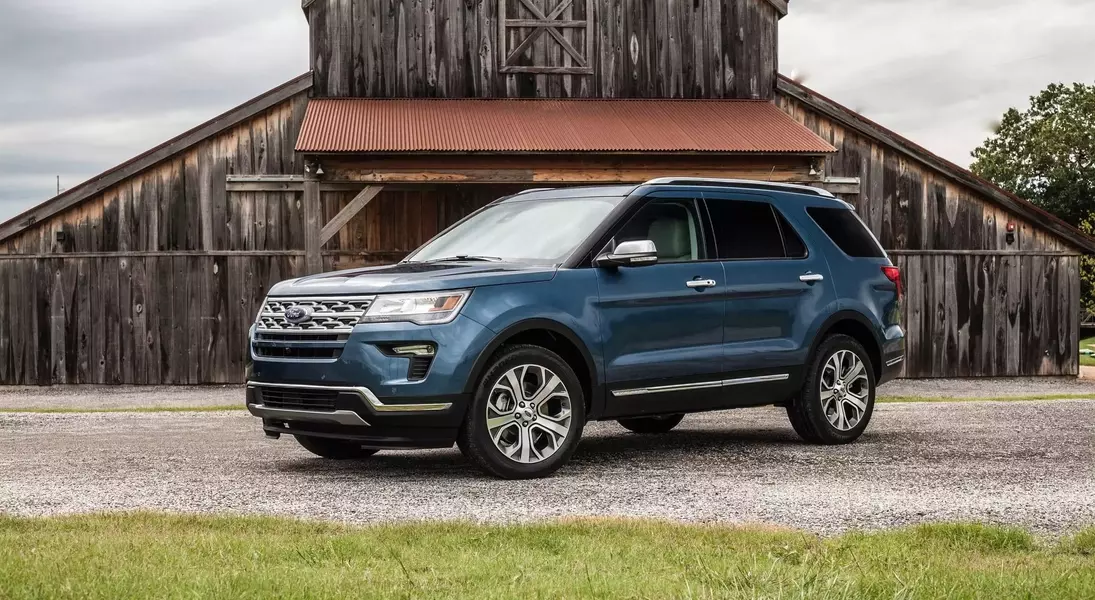
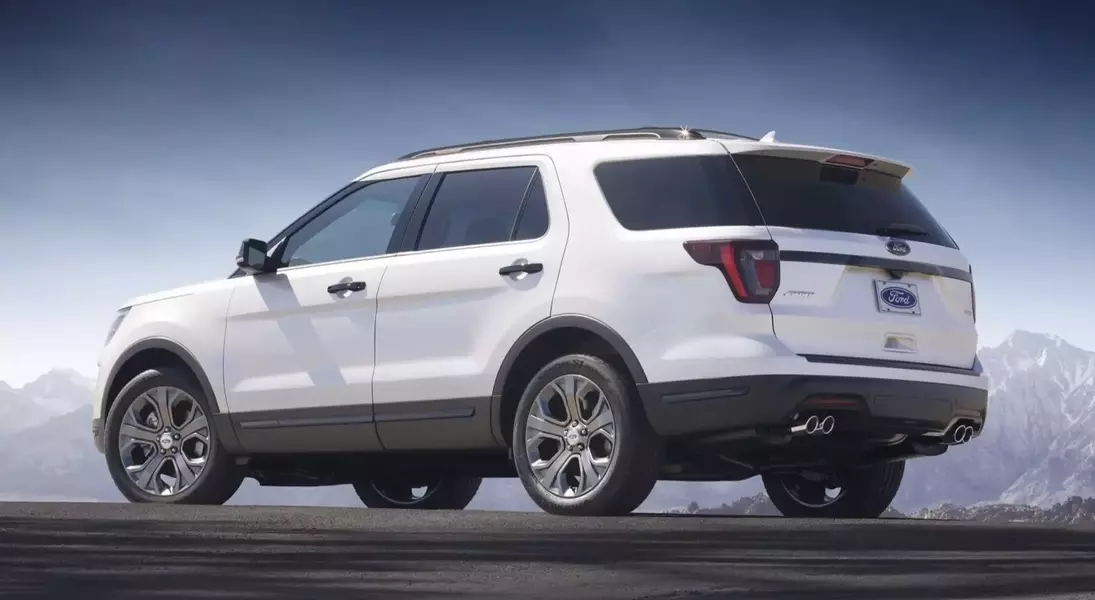
Ford has announced a significant recall affecting more than 400,000 Explorer SUVs manufactured between 2017 and 2019. The reason for this action is a persistent problem with the rear suspension toe links, which are prone to fracturing. This defect, which has been identified in previous Explorer generations, poses a safety risk due to the potential for sudden loss of vehicle control. While two accidents have been reported globally in connection with this fault, thankfully, no injuries have been confirmed.
The current recall targets 412,774 vehicles from the 2017-2019 model years. What is particularly frustrating for owners is that this is not a new issue for the Ford Explorer. It is an expansion of an earlier recall (NHTSA recall 21V537) that covered 644,055 units of the 2013-2017 Explorer. This indicates that even with newer models, the fundamental design flaw or manufacturing inconsistency persists, leading to repeated safety concerns for consumers. The National Highway Traffic Safety Administration (NHTSA) is closely involved in overseeing this recall.
Detailed reports from the NHTSA confirm that the cross-axis ball joint components and the rear suspension toe links can fracture under specific stress conditions. These particular parts were integrated into production from May 2017 until March 2019. Interestingly, different manufacturers have supplied these components across the affected model years, with SAF being named in the current recall and ZF Friedrichshafen in the earlier one. The fact that the same problem recurs despite different suppliers suggests that the underlying design of these suspension elements might be inadequate for the loads exerted on a fully laden SUV, rather than solely a manufacturing defect.
Previous investigations in 2021 revealed instances where seized cross-axis ball joints led to bent toe links, eventually causing fractures. These occurrences were often linked to vehicles operating in regions where road salt is commonly used, suggesting corrosion as a contributing factor. Some cases also pointed to sealing failures in the components. New parts from SAF were introduced to mitigate these problems. However, in early 2026, the NHTSA alerted Ford that even vehicles equipped with these supposedly improved parts were still experiencing fractured rear toe links, prompting the latest recall.
The potential consequences of this suspension defect are severe. A fractured toe link can result in unsettling noises, abnormal handling characteristics, and even a misaligned rear wheel, significantly compromising the vehicle's stability and control. In the reported accidents, vehicles collided with road barriers or guardrails after experiencing a toe link fracture. Fortunately, Ford has stated that they are unaware of any related injuries, suggesting these incidents may have occurred at lower speeds, preventing more serious outcomes.
Ford is scheduled to inform its dealerships about the recall program, including searchable Vehicle Identification Numbers (VINs), by February 25th. However, owners of the affected Explorer SUVs will have to wait longer, with official notifications sent via mail between March 9th and March 13th. This timeline means a considerable delay before vehicle owners can have the necessary repairs completed, underscoring the ongoing challenges in addressing this recurring safety issue.
