In the dynamic and often challenging sports car market, where compromises are a given for the thrill of the drive, the Ford Mustang continues to assert its dominance. Despite a general downturn in sports car sales, the Mustang managed to buck the trend, solidifying its position as America's top-selling sports car. However, the narrative is not uniform across the segment, with some models celebrating substantial gains while others grapple with sharp declines, often influenced by pricing shifts and production priorities.
Detailed Analysis of 2025 Sports Car Sales in the United States
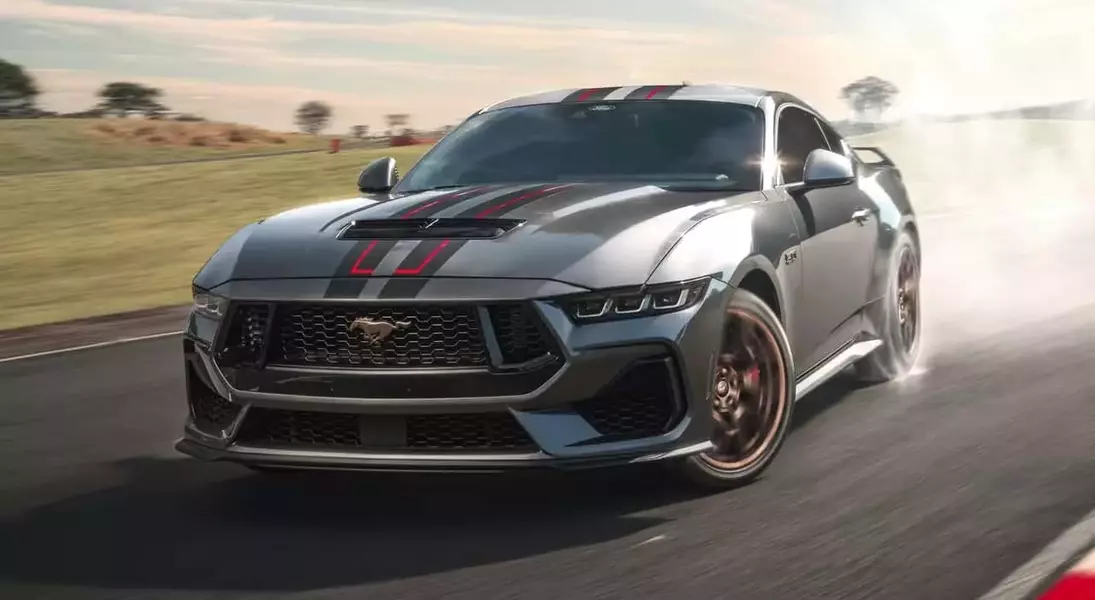
The Ford Mustang showcased remarkable resilience in the past year, achieving a 3.0 percent rise in sales, culminating in an impressive 45,333 units sold. This performance positions it well ahead of its competitors in the U.S. sports car arena. On the other hand, the Chevrolet Corvette experienced a significant 26.4 percent dip in sales, indicating a potential shift in consumer preference or market dynamics. Dodge's Challenger and Charger models faced an even steeper decline, with sales plummeting by over 80 percent, largely due to the discontinuation of the two-door Challenger in December 2023 and its replacement by new Charger variants.
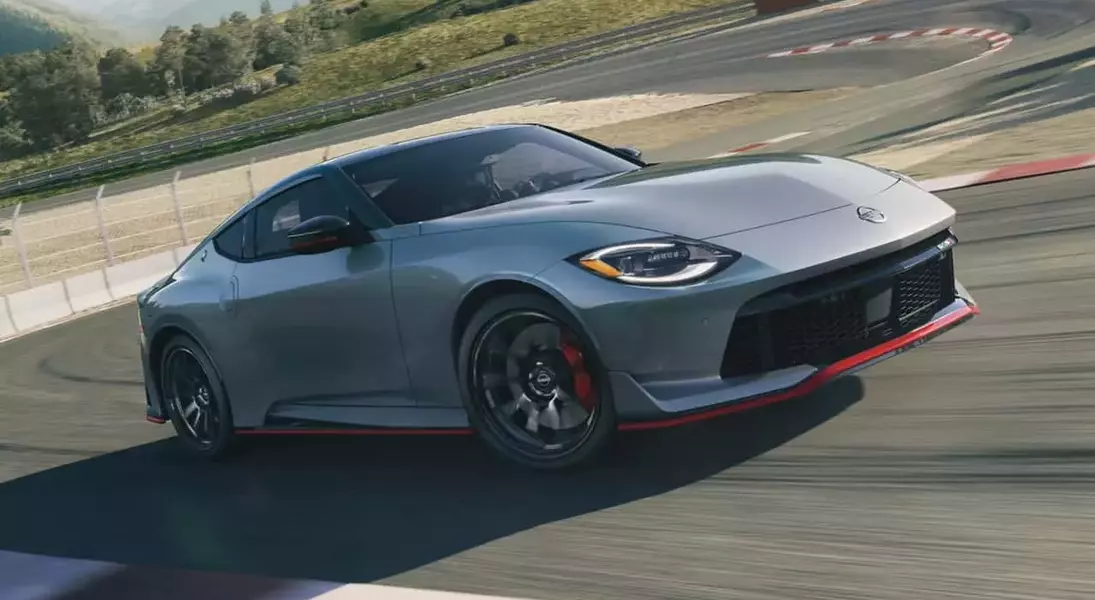
Amidst these varied fortunes, some models emerged as clear winners. The Nissan Z enjoyed a substantial 73.4 percent surge in sales, reaching 5,487 units, handily outselling the Toyota Supra. The Supra itself saw a respectable 12.9 percent increase. The Mazda MX-5 Miata also contributed to the positive narrative, with its sales rising by 7.7 percent, underscoring its enduring appeal among enthusiasts.
Conversely, several models faced headwinds. Volkswagen's popular hot hatches, the Golf GTI and Golf R, registered declines of 24.4 percent and 20.9 percent, respectively. These downturns are attributed to rising prices, with tariffs pushing the Golf R above the $50,000 threshold and the Golf GTI's cost nearing $36,000, a significant increase from its 2020 price point. Subaru's performance models, the WRX and BRZ, also struggled. WRX sales fell sharply by 41.1 percent, as Subaru prioritized the production of its Forester and Forester Hybrid models. The BRZ saw a 13.8 percent reduction in sales, barely moving 2,881 units, a fraction of its counterpart, the Toyota GR86. The BMW Z4, mechanically similar to the Toyota Supra, maintained relatively stable sales with a marginal decrease of less than 1.0 percent, trailing the Supra's sales by about 500 units.
Reflections on the Evolving Sports Car Market
The latest sales figures for sports cars in the United States offer a compelling look into a market that, while niche, is undeniably vibrant and ever-changing. The Ford Mustang's continued success is a testament to its iconic status and ability to adapt. However, the struggles of other models highlight a critical issue: the escalating cost of new vehicles. As prices climb, entry-level sports cars, once accessible to a broader audience, are becoming a luxury for many. This trend could reshape the segment, pushing manufacturers to innovate in affordability or risk alienating potential buyers. The divergent paths of sales figures suggest that while passion for driving remains, economic realities and strategic production decisions are increasingly dictating the fate of these beloved machines. The industry must find a delicate balance between performance, price, and practicality to ensure the sustained appeal of sports cars in a competitive automotive landscape.
