This analysis navigates the eccentricities of the football world, revealing the underlying issues that often go unnoticed amidst the glamour of the sport. It critically examines the challenges faced by top clubs like Chelsea in managing player injuries and squad depth, the unique pressures on less prominent players such as backup goalkeepers, and the broader implications of governing bodies' decisions on the sport's global calendar. The narrative emphasizes the tension between commercial interests and the welfare of players, while also highlighting the lighter, more humorous aspects of the beautiful game.
Unraveling Football's Recent Peculiarities
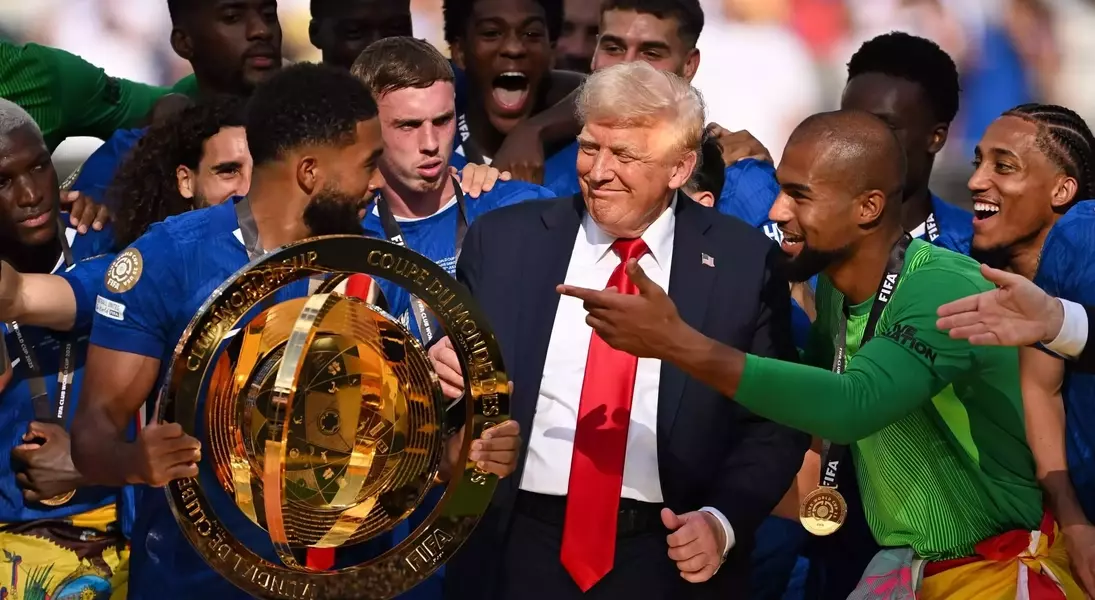
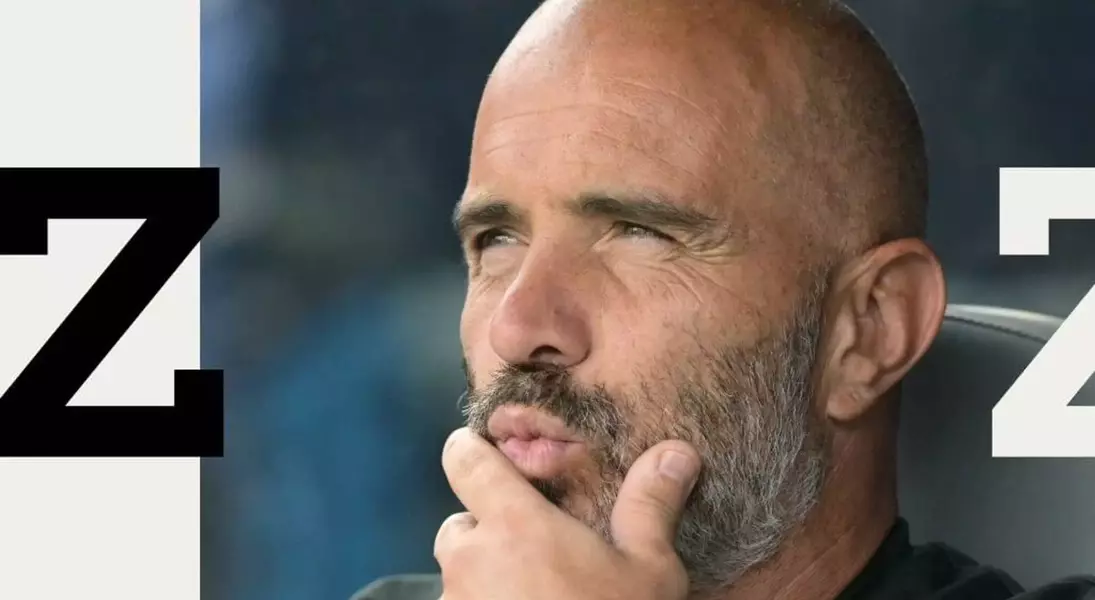
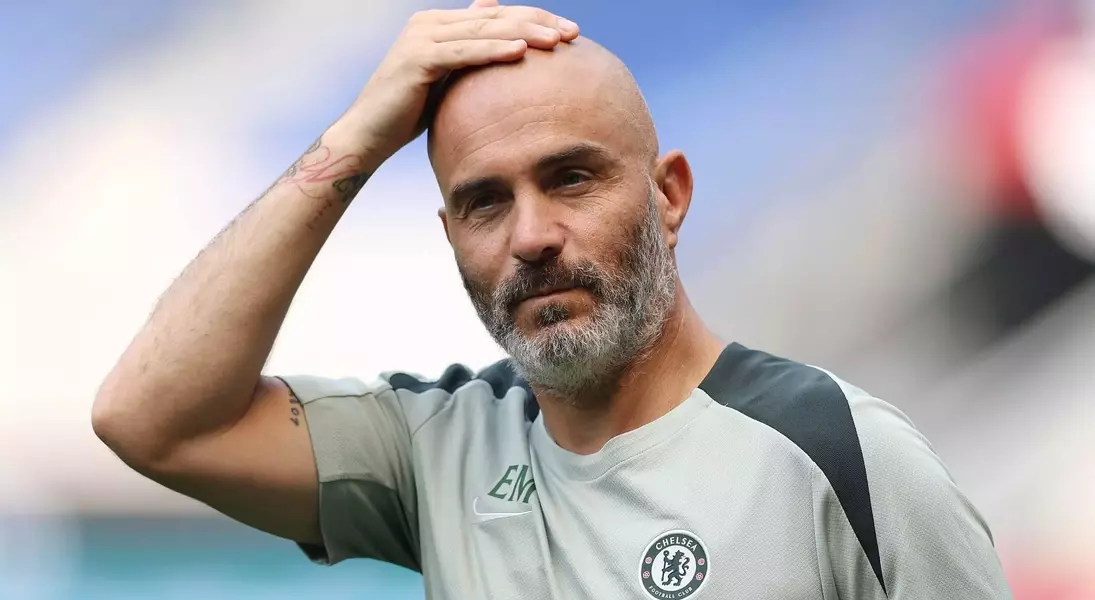
On a recent Sunday, a significant challenge emerged for Chelsea, the reigning FIFA Club World Cup champions. Head coach Enzo Maresca found himself grappling with an unforeseen defensive crisis after Levi Colwill suffered a severe ACL injury. Despite a formidable 253 million pound attacking line-up and a reported 12 senior defenders costing 300 million pounds, Maresca expressed a pressing need for additional defensive reinforcements, a sentiment that the club leadership was acutely aware of. The situation underscored an unexpected vulnerability at the back, particularly following a match where their potent attack struggled to convert opportunities against Crystal Palace.
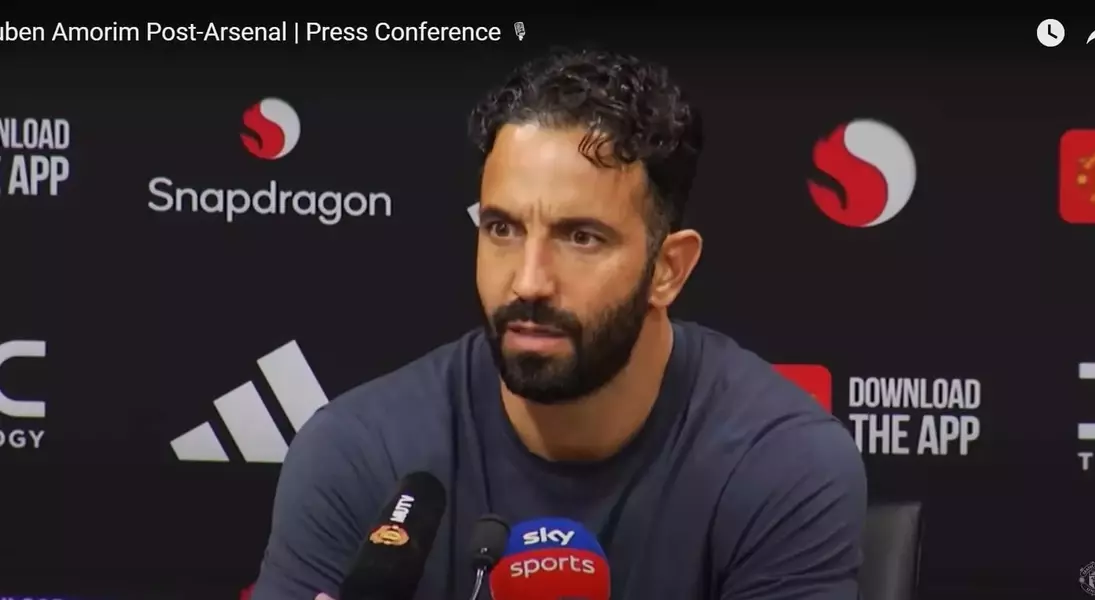
Simultaneously, the often-overlooked life of a backup goalkeeper came into sharp focus. Tom Heaton, Manchester United's third-choice custodian, experienced a fleeting moment of hope during a Sunday fixture against Arsenal. With primary goalkeeper Andre Onana's future uncertain and Altay Bayindir's performance under scrutiny, the possibility of Heaton stepping into the limelight seemed to flicker. However, this optimism was quickly tempered by the visible reaction of coach Ruben Amorim, suggesting Heaton's wait for a regular starting spot might continue indefinitely.
Adding to the global football discourse, a recent report in The Guardian unveiled FIFA's audacious proposal to transform the Club World Cup into a biennial event, expanding its format to include 48 teams by 2029. This ambitious plan, while potentially a financial boon for club owners, has raised considerable eyebrows among fans and pundits alike. Concerns are mounting over an already saturated football calendar, with an increasing number of matches across various competitions, from expanded Champions and Europa Leagues to a larger World Cup and continental tournaments. This continuous expansion raises pertinent questions about player welfare and the overall quality of the game, highlighting a potential disconnect between the pursuit of revenue and the essence of the sport.
In a final, peculiar note from the world of transfers, Argentine club Racing Club recently welcomed former Manchester United defender Marcos Rojo. However, the signing presented an unusual linguistic dilemma: 'Rojo' means 'red' in Spanish, a color synonymous with Racing Club's fierce rivals, Independiente, known affectionately as 'El Rojo' or 'Los Diablos Rojos'. To circumvent this sensitive naming conflict, Racing Club has taken the extreme measure of omitting 'Rojo' from all official communications, including team sheets and shirt names, simply referring to him as 'Marcos R'. This illustrates a unique blend of rivalry, tradition, and administrative creativity within the football landscape.
The intricate tapestry of professional football is woven with tales of triumph, tribulation, and outright absurdity. From strategic boardroom decisions impacting squad compositions to the personal journeys of players vying for their moment in the sun, and the relentless expansion of global tournaments, the sport consistently provides narratives that stretch the boundaries of expectation. The ongoing evolution of football, driven by financial ambitions and the passion of its participants, ensures that the game remains a dynamic and endlessly fascinating spectacle, full of both calculated moves and unpredictable quirks.
