This article examines a growing trend in contemporary football where managers frequently advocate for new player acquisitions as the primary solution to squad deficiencies, often overlooking the strategic development and optimal utilization of their existing roster. It challenges the prevailing belief that financial investment in transfers is the sole path to success, suggesting that a greater emphasis on coaching ingenuity and tactical adaptability could yield more sustainable and less financially burdensome outcomes.
Rethinking Player Acquisitions: Coaching as the Ultimate Solution
The Transfer Market's Allure Amidst Injuries
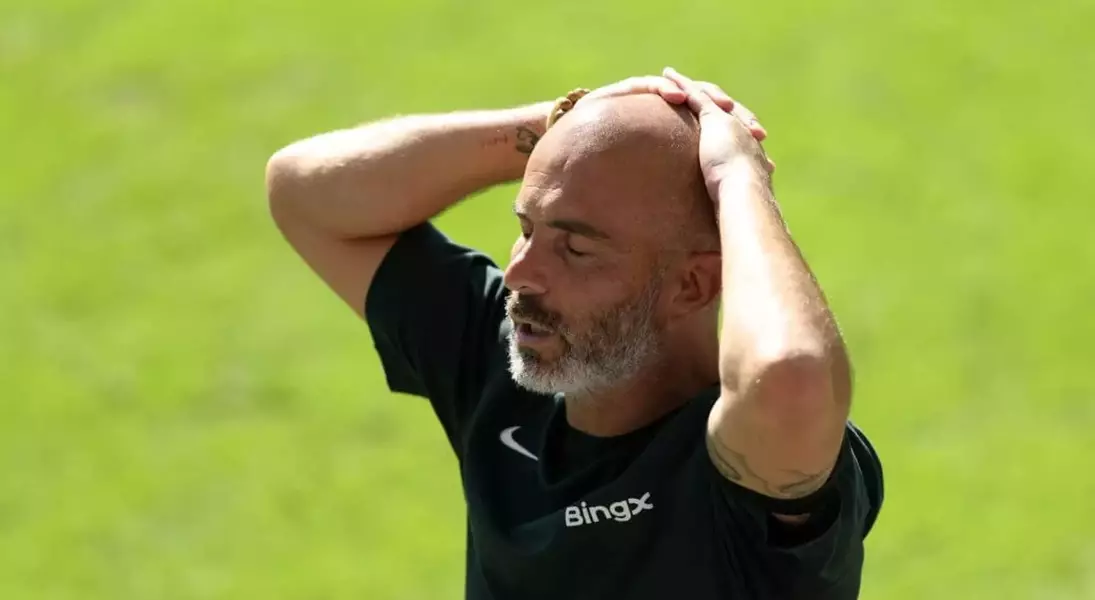
Football's inherent irrationality sometimes becomes glaringly obvious. A recent instance involved Enzo Maresca's comments on Levi Colwill's knee injury. Colwill, a crucial defender who featured prominently last season, faces a lengthy recovery period due to a ruptured anterior cruciate ligament. Rather than exploring internal solutions, Maresca's immediate inclination was to request new signings from the club's hierarchy to compensate for the loss.
The Call for New Defenders: A Question of Necessity
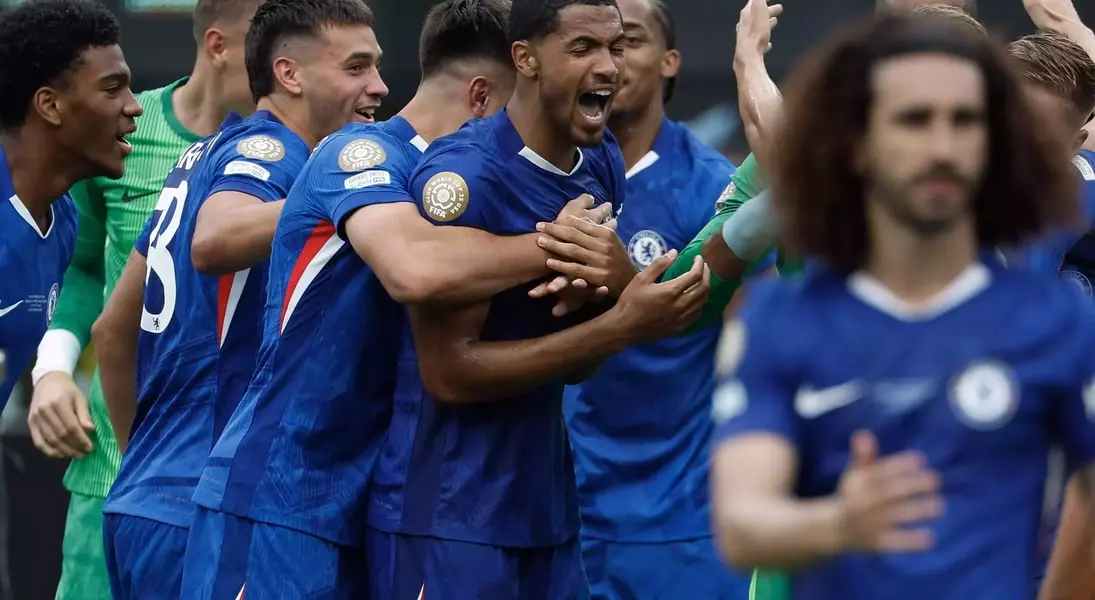
Maresca's rationale for needing a new central defender was peculiar, given Chelsea's existing depth in that position. Despite having multiple other players capable of fulfilling the role, including new recruit Jorrel Hato and other established or promising talents, the manager suggested that none could perfectly execute his specific tactical demands. He acknowledged the adaptability of current players but made his desire for a new acquisition unequivocally clear, underscoring a potential inflexibility in his coaching approach.
A Culture of Reliance: The Expensive Pursuit of Solutions
It is somewhat ironic that the Chelsea manager, who has overseen the arrival of numerous high-value players totaling vast sums, continues to advocate for more signings. This mirrors a broader trend in the Premier League, where many managers publicly express discontent with their squads, clamoring for further investment. While some teams genuinely face depth issues, others, with already substantial resources, appear to view the transfer market as the default answer to every tactical quandary. This approach raises questions about the managers' willingness to work with and enhance the talent already at their disposal.
The Underestimated Power of Coaching and Adaptation
The immediate public response to managers' complaints about squad limitations often boils down to a fundamental question: 'Have you tried coaching?' While this might seem overly simplistic, it highlights a critical point. Many managers appear to share a common fan sentiment that the transfer market dictates success, believing that financial outlay is the primary fix for any issue, rather than cultivating and maximizing the potential within their current team. This contrasts sharply with numerous examples of coaches successfully re-sculpting players to fit new roles and systems.
Transformative Leadership: Examples of Tactical Innovation
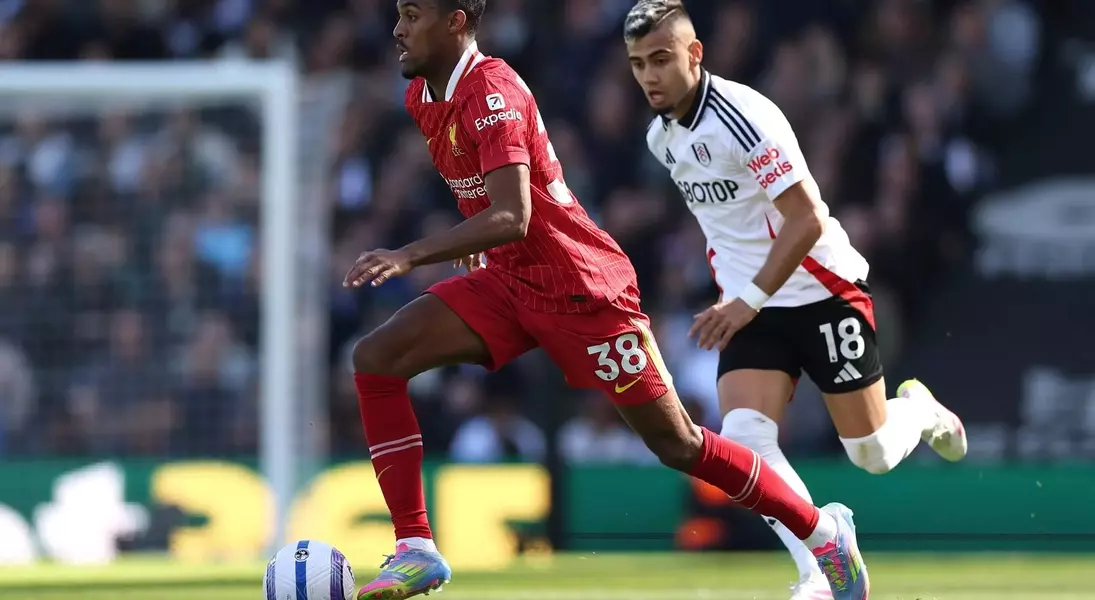
Elite managers like Pep Guardiola are renowned for their tactical versatility, often repurposing players across different positions to suit strategic needs. Similarly, Liverpool's recent title success was not solely built on new acquisitions but on the masterful reshaping of existing talents like Ryan Gravenberch, Cody Gakpo, and Luis Diaz. Ruben Amorim, at Sporting CP, also demonstrated this by converting winger Geovany Quenda into an effective wing-back. Such instances underscore the profound impact of coaching and strategic adaptation on team performance.
Internal Growth vs. External Investment: A Strategic Dilemma
Aston Villa's recent performance offers another compelling example. A significant portion of their starting eleven against Newcastle United consisted of players who were already at the club before Unai Emery's arrival. This illustrates Emery's exceptional ability to elevate the existing squad's performance and foster cohesion. Conversely, it also suggests that a substantial number of recent transfer acquisitions have yet to fully integrate or consistently contribute to the starting lineup, reinforcing the idea that new signings are not always the definitive solution.
The Perils of Managerial Inflexibility
The root of this issue often lies in managerial inflexibility. If a coach like Maresca struggles to adapt his system without a specific type of player, or if Amorim cannot envision alternative formations for existing Manchester United players, it points to a rigid tactical philosophy. When a system is so delicate that it collapses with the absence of a single player, the problem might lie with the system's design or the manager's adaptability, rather than solely with the available personnel or recruitment. This rigidity can inadvertently place undue pressure on the transfer market.
Economic Implications and Fan Expectations
Beyond the tactical considerations, this transfer-centric mindset has broader implications for the football industry. Excessive spending in the transfer market can lead to inflated player values and, consequently, higher ticket prices for fans. Clubs often justify price hikes by claiming the need to "remain competitive," subtly pressuring fans to subsidize an endless cycle of player acquisitions. While the direct link between ticket prices and transfer fees might be tenuous, this narrative fosters an impression that fans are paying for managerial inflexibility and a reluctance to develop existing resources.
The Self-Preservation Instinct in Management
Managers' inclination towards ready-made recruits often stems from a subconscious self-preservation instinct. In an environment where job security is volatile, acquiring an established player is perceived as a safer, quicker fix than investing time in developing existing talent. Having a narrative of recruitment struggles also provides a convenient fallback should results falter, deflecting blame from coaching methodologies. While new players undoubtedly enhance teams, and managers should advocate for sensible recruitment, the transfer market should not be seen as the sole panacea for every challenge. A more holistic approach, prioritizing coaching and player development, is essential for sustainable success.
