The football world stands at a critical juncture, with the upcoming Premier League season heralding a potential paradigm shift in the sport's traditional structure. An unrelenting global schedule, driven by expanded international tournaments, is placing immense pressure on players and domestic leagues alike, raising questions about the future landscape of professional football.
Embrace the Present: A Football Season on the Brink of Transformation
The Relentless Pace of Modern Football: A New Era Unveiled
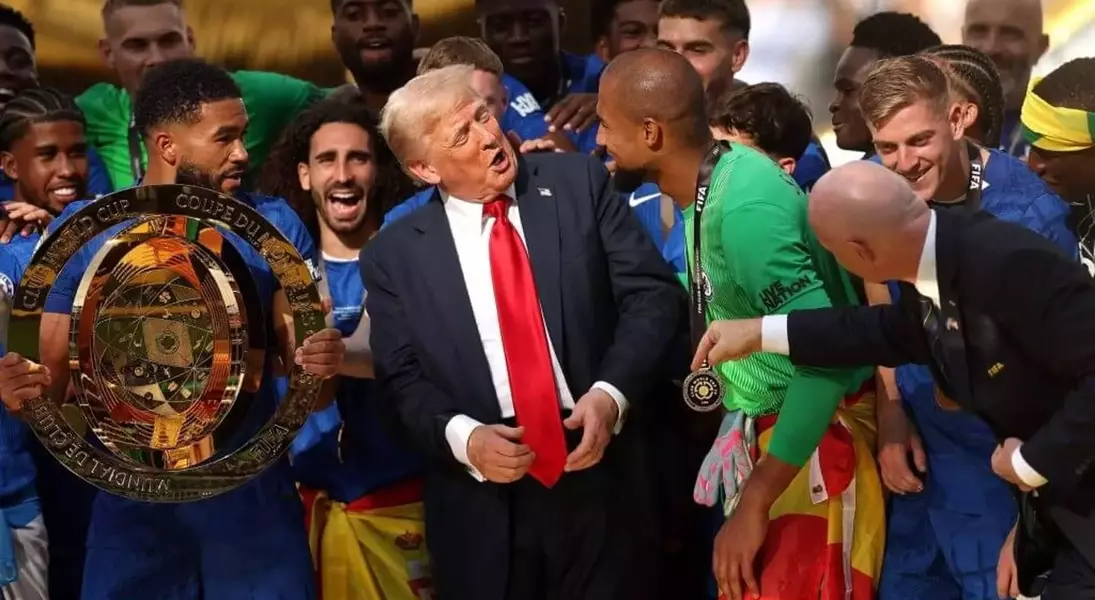
The recently concluded expanded Club World Cup, which saw Chelsea emerge victorious, served as a precursor to a football season unlike any before. Many of the world's elite players are now embarking on an 11-month odyssey culminating in the 2026 World Cup, an event significantly larger than its predecessors. This relentless calendar, with international and domestic competitions bleeding into one another, signals a departure from the sport's familiar rhythms, eliminating the traditional 'off-season' for many.
Domestic Leagues Under Strain: The Ripple Effect of Global Expansion
The burgeoning international schedule has forced domestic leagues to adapt, often at the expense of player welfare and historical traditions. Early season starts, as seen in England's lower divisions, are a direct consequence of accommodating the increased number of European fixtures. UEFA's expansion of its club competitions has drastically increased the number of matches, pushing the limits of the existing football calendar and making traditional cup competitions, like the EFL Cup, logistical marvels to stage.
The Battle for Control: Domestic vs. International Football
The tension between domestic leagues and global governing bodies like FIFA and UEFA is palpable. While some clubs, especially the larger ones, benefit from the financial windfalls of expanded international tournaments, the burden on domestic schedules is undeniable. Premier League chief Richard Masters has voiced concerns about the constant pressure to shrink domestic leagues to accommodate more international games, advocating for a balanced approach that respects the integrity of national competitions.
A Shifting Landscape: The Future of League Structures
The debate over league size, particularly the shift towards 18-team top divisions seen in other European nations, highlights the broader challenge facing football. While England, Italy, and Spain maintain 20-team leagues, the increasing appeal of global competitions could push more clubs to favor a reduced domestic schedule. This dynamic underscores a potential future where international earnings take precedence over traditional domestic revenue streams, further complicating the profit and loss accounts of clubs.
The Unseen Cost: Player Fatigue and the Fight for Sanity
The escalating number of matches has led to a formal complaint lodged by the Premier League, other European leagues, and player unions against FIFA. This unprecedented move signals a collective belief that the sport has reached a saturation point, with player fatigue becoming a critical issue. The lack of meaningful dialogue with FIFA regarding the global calendar and the unilateral expansion of tournaments has forced stakeholders to seek intervention, emphasizing the urgent need for a more sustainable and player-friendly schedule.
The World Cup's Shadow: A Glimpse into Football's Future
The expanded Club World Cup, despite its mixed reception and attendance figures, has solidified FIFA's vision for a more globalized, commercialized sport. The enthusiasm shown by FIFA's president, Gianni Infantino, for the tournament's success, particularly its financial implications and potential for further expansion, points to a future where international competitions, possibly biennial World Cups, could dominate the calendar. Such a scenario would inevitably lead to further contractions of domestic leagues, fundamentally altering the fabric of professional football as we know it.
