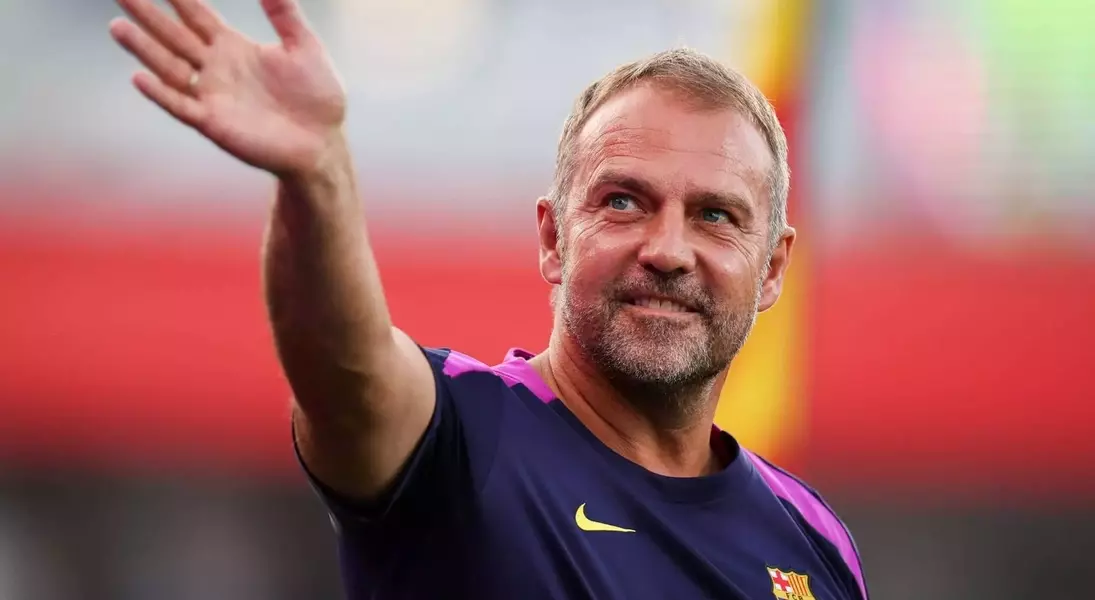
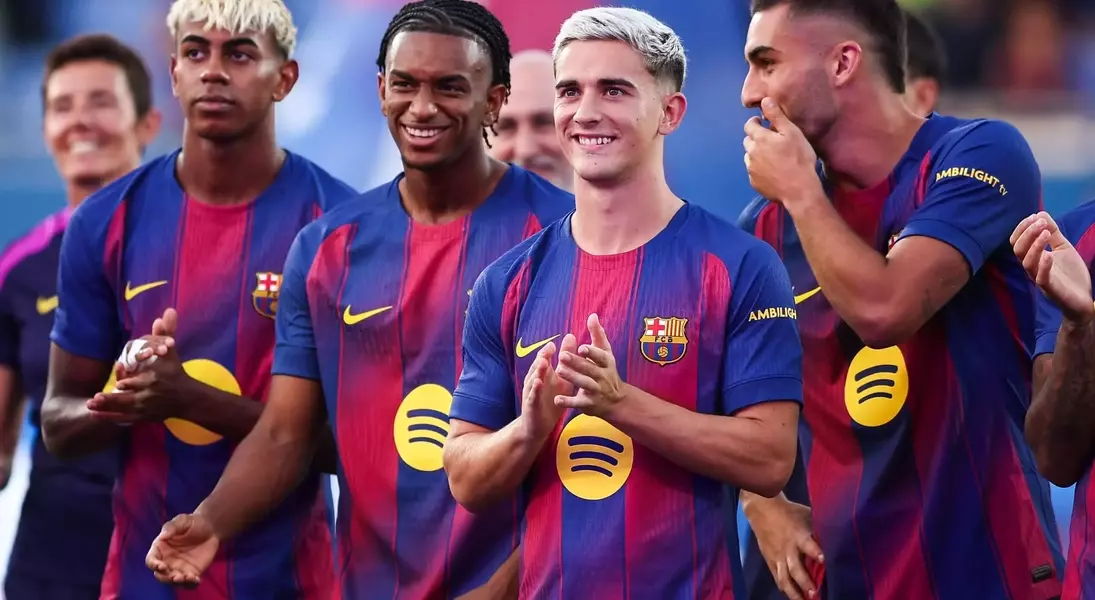
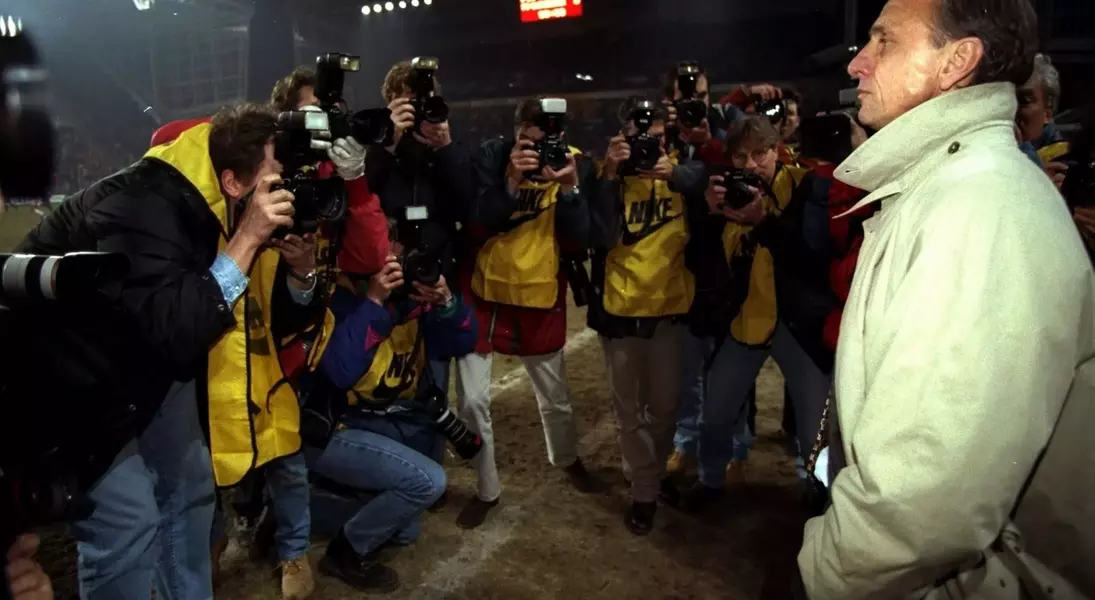
Entering his sophomore year as Barcelona's head coach, Hansi Flick finds himself navigating what football legend Johan Cruyff once described as the most demanding phase of a managerial tenure. This period is often marked by heightened pressure and the necessity for strategic re-evaluation, a significant shift from the initial "honeymoon" phase. Despite his impressive inaugural season, which saw the team secure a domestic treble, Flick's current situation bears a striking resemblance to Frank Rijkaard's early days at Barcelona under Joan Laporta's presidency. Rijkaard's initial success in 2003, improving Barcelona's La Liga standing from sixth to second, laid the groundwork for subsequent triumphs, including a domestic double and later, a Champions League title. Flick's squad, already more robust than Rijkaard's at the outset, has demonstrated considerable progress over the past year, showcasing improved team spirit, clearer tactical understanding, and well-defined player roles, further bolstered by key summer acquisitions like Joan Garcia and Marcus Rashford.
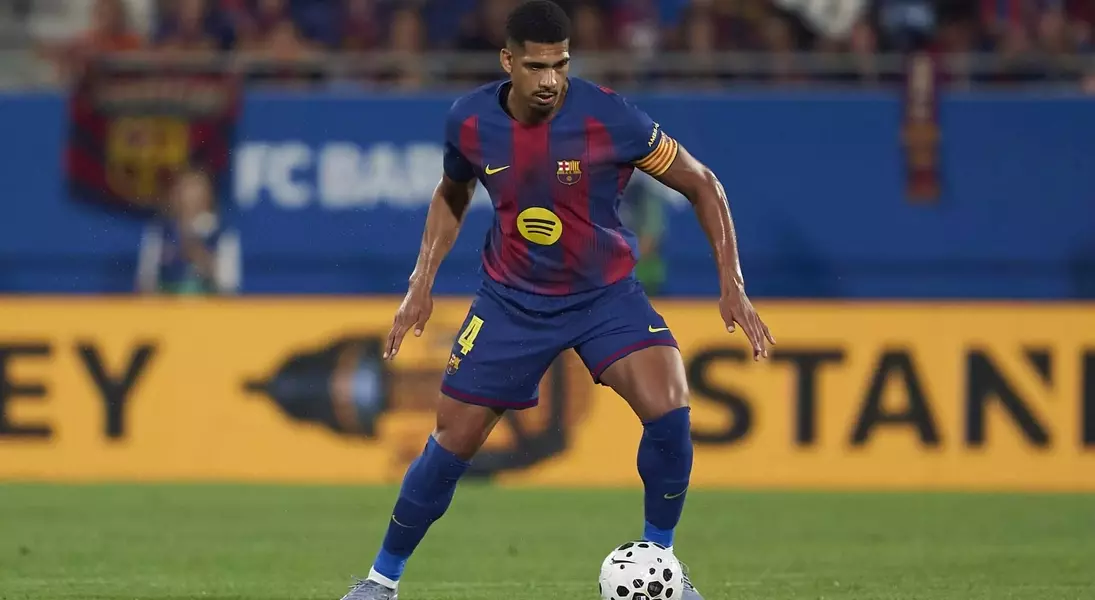
Despite the palpable sense of optimism, significant hurdles remain, particularly concerning defensive solidity and managing player dynamics. While Barcelona's defensive record last season was not dire, moments of vulnerability highlighted areas for improvement. The departure of key defender Inigo Martinez, a crucial component of Flick's strategy, presents a challenge, especially given the club's ongoing salary cap issues. The onus now falls on players like Ronald Araujo and Andreas Christensen to step up, with Flick's leadership and man-management skills being critical in reinstating their confidence and performance. Moreover, Flick has shown a remarkable ability to foster player development and resilience, evident in his support for injured talents like Marc Bernal and Gavi, and his transformation of Eric Garcia from a potential departure to a likely starter. His approach extends to the veteran ranks, too, as the team considers how to manage Robert Lewandowski's role as he approaches the final year of his contract.
Ultimately, Flick's strategic detachment from the club's notoriously demanding 'entorno'—a term coined by Cruyff to describe Barcelona's unique internal and external pressures—has proven to be a significant asset. Unlike many predecessors who succumbed to the club's fiery nature, Flick prioritizes focusing solely on on-field performance, a philosophy embraced by Barcelona's leadership. The recent restructuring of the communications department, with the appointment of Gabriel Martinez as first-team director of communications, aims to streamline messaging and shield Flick from political distractions, allowing him to concentrate on coaching. This commitment to maintaining focus amidst external clamor, coupled with meticulous player development and tactical adjustments, positions Barcelona on a promising trajectory. While challenges persist and external noise is ever-present, the fundamental strength of the current Barcelona squad, largely attributable to Flick's diligent work in his debut season, suggests an exciting and potentially historic period ahead for the club and its supporters.
