


This analysis navigates significant recent football developments, highlighting the potential ascent of a young talent, the inherent dangers of a prevalent tactical approach, and the contentious issues surrounding refereeing decisions, particularly in set-piece situations. These focal points collectively underscore the dynamic and often unpredictable nature of top-tier football.
The article specifically examines the remarkable emergence of Max Dowman, a prodigious young player poised to etch his name in Premier League history by potentially becoming its youngest ever goal scorer. It also scrutinizes the strategic risks associated with playing short, vertical passes from defense under high pressure, a tactic frequently observed in modern football that often leads to critical errors. Furthermore, the piece addresses the ongoing debate regarding the consistency of refereeing, especially concerning the enforcement of rules against holding and pushing during corners and free-kicks, shedding light on the challenges faced by officials and the impact on game flow and fairness.
The Ascent of a Young Prodigy
Max Dowman's recent senior debut for Arsenal, at an exceptionally young age, has ignited discussions about his potential to break the Premier League's long-standing record for the youngest goalscorer. This narrative underscores the growing trend of young talents making significant impacts in professional football earlier than ever before, challenging established norms and records. His impressive performance, characterized by flair, confidence, and ability, suggests that this landmark achievement is not just a possibility but a near inevitability, given the faith shown in him by his club and manager.
The current record, held for two decades by James Vaughan, stands as a testament to durability in an ever-evolving sport. However, Dowman's rapid progression through Arsenal's ranks, coupled with his early exposure to first-team football, positions him uniquely to surpass this milestone. His maturity and composure on the pitch, remarkable for someone still in secondary school, hint at a player destined for greatness. The support from teammates and management, as evidenced by strategic passes aimed at facilitating his scoring opportunity, further illustrates the collective desire to see him achieve this historic feat. This situation not only highlights Dowman's individual talent but also reflects a broader shift in football towards nurturing and integrating exceptionally young players into elite competition, redefining what is considered an appropriate age for senior professional engagement.
Tactical Risks and Refereeing Quandaries
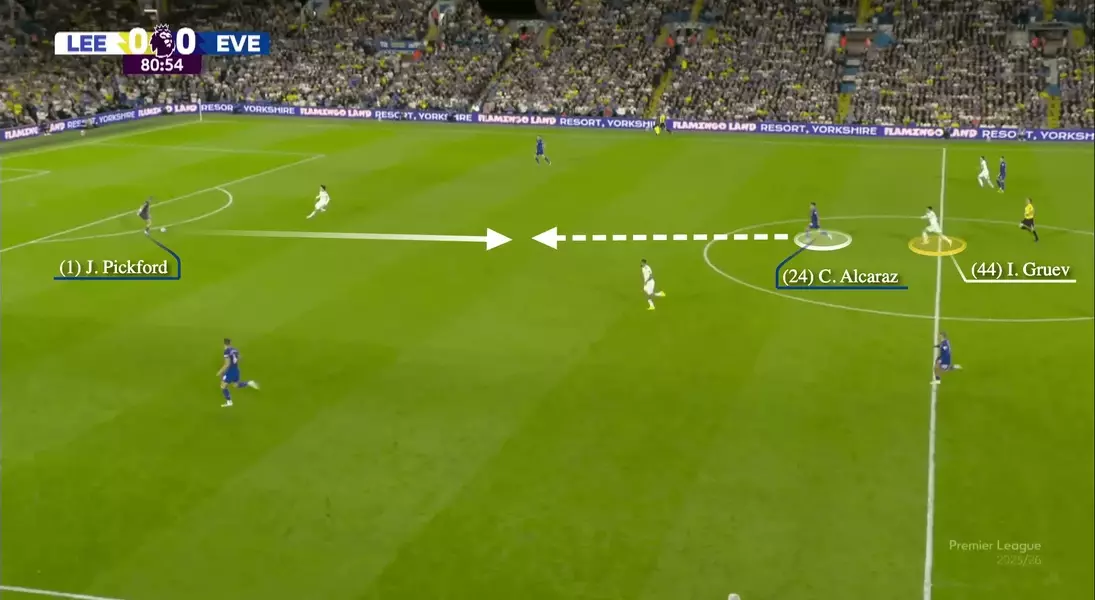
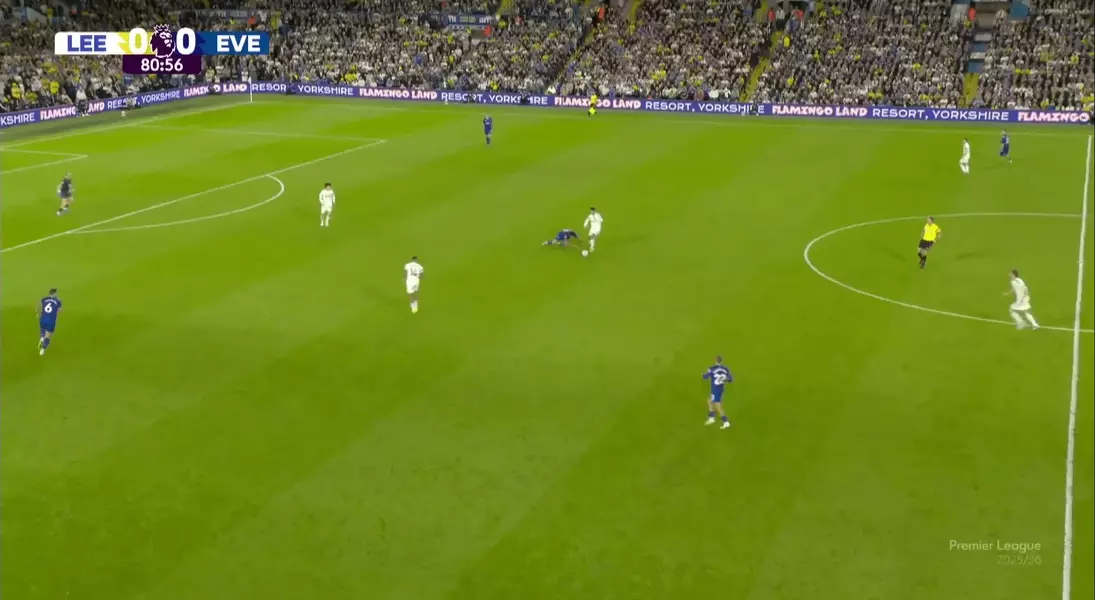
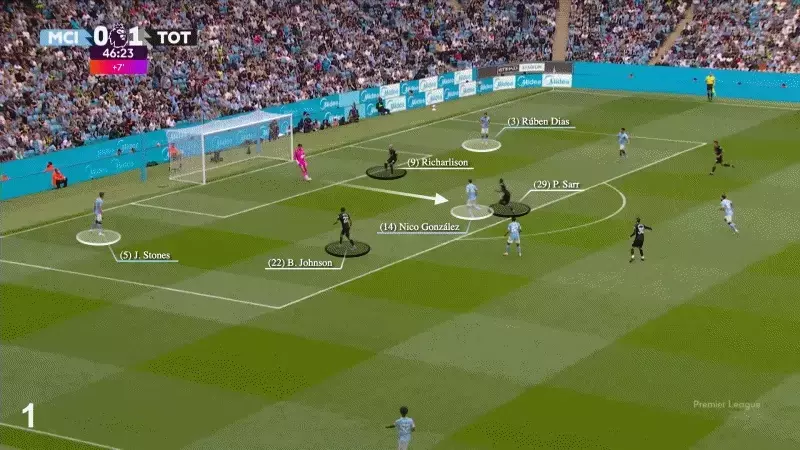
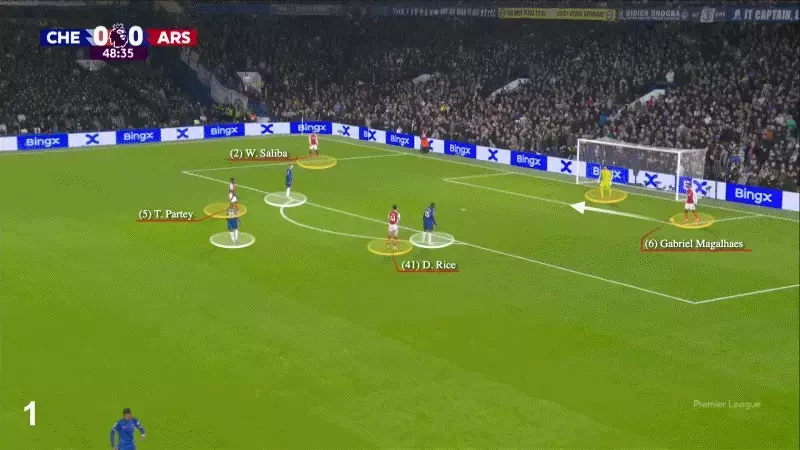
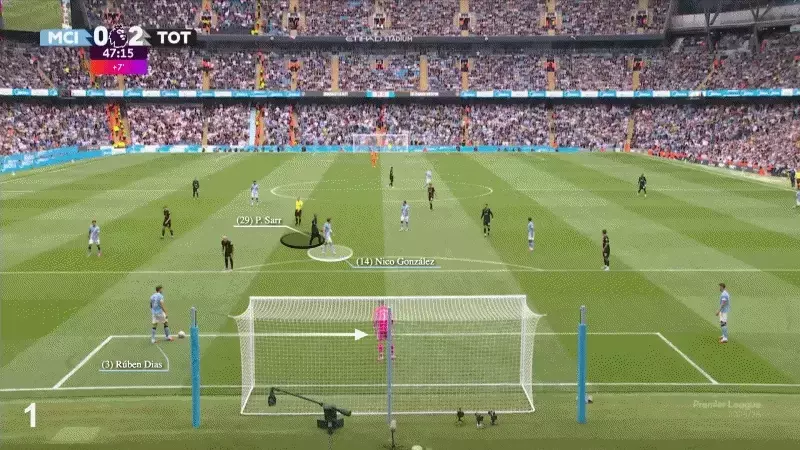
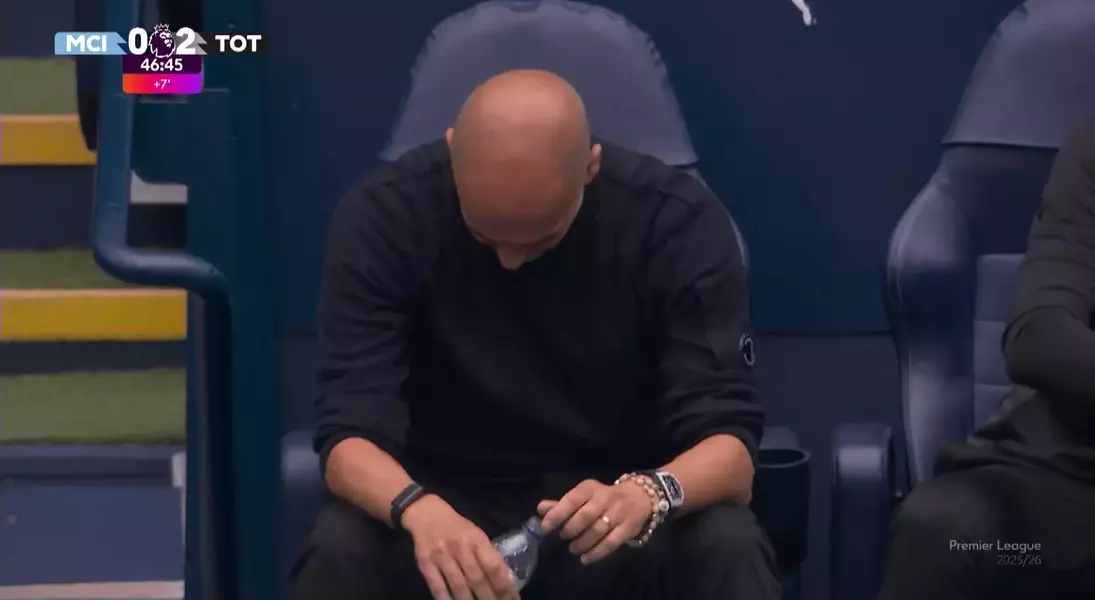
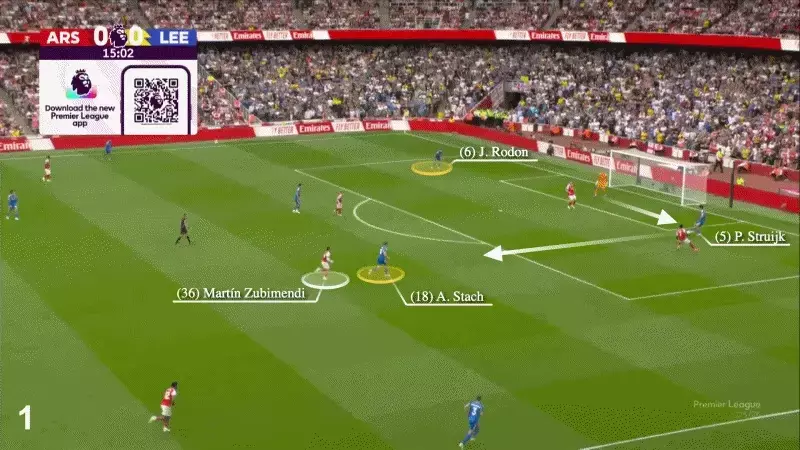
The 'most dangerous pass' in football, typically a short, vertical ball played from defense to midfield under intense pressure, continues to be a double-edged sword for many teams. While designed to bypass a high press and create numerical superiority, its execution often leads to catastrophic turnovers, directly resulting in opposition goals. This high-risk, high-reward strategy exposes the fine margins in elite football, where split-second decisions can drastically alter game outcomes, leading to frustration for managers and anxiety for fans.
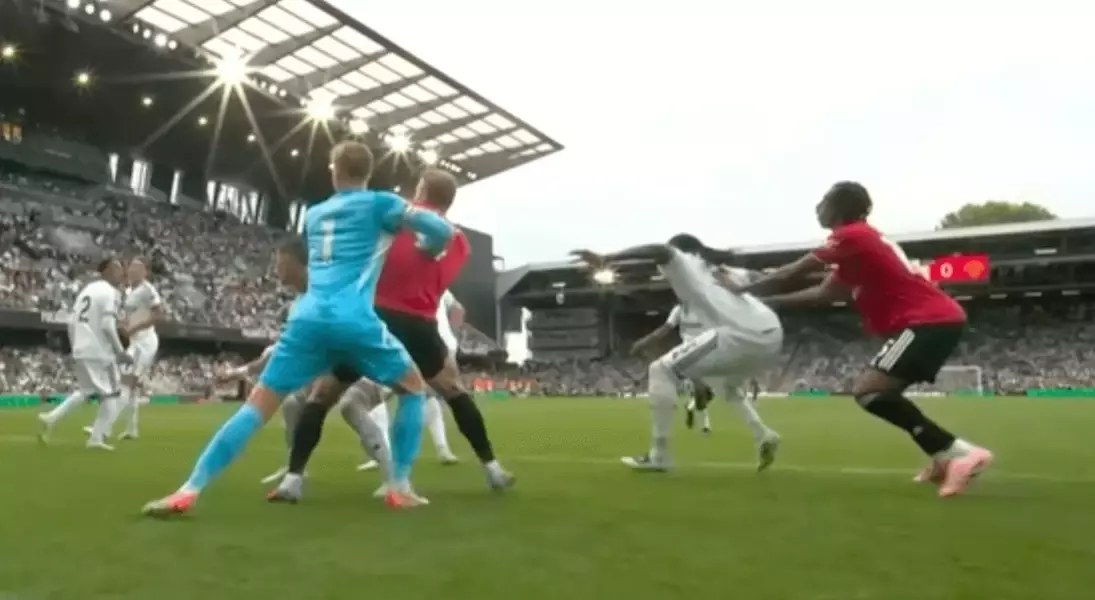
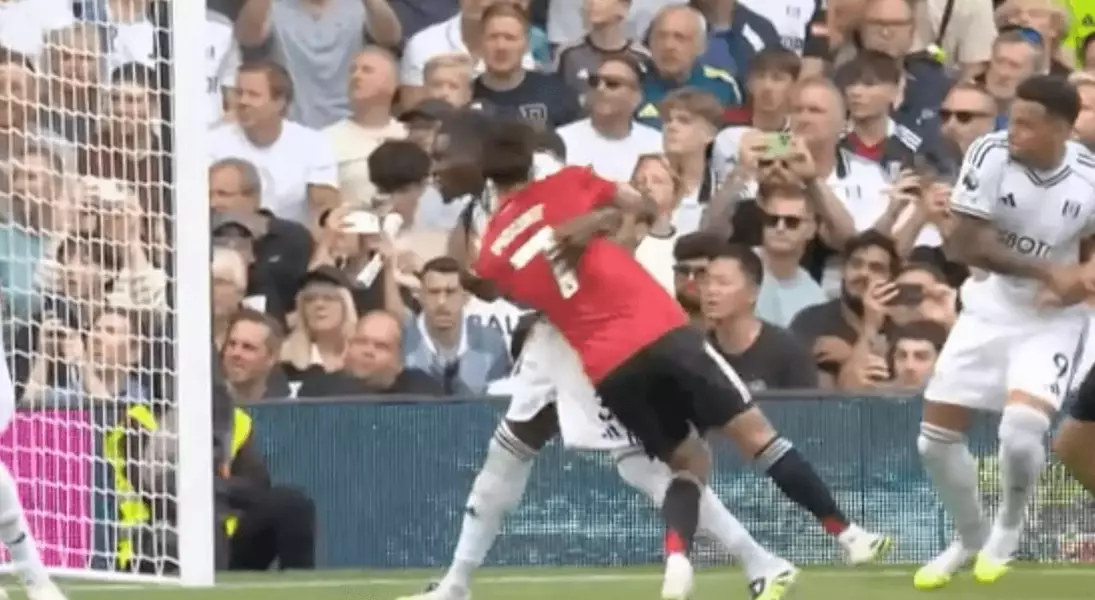
Alongside tactical debates, refereeing consistency remains a hot topic, especially concerning physical play during set pieces. Recent crackdowns on 'non-footballing actions' like holding or 'rugby tackling' in the box aim to restore fairness, yet their inconsistent application generates significant controversy. Decisions, such as the penalty awarded against Calvin Bassey for holding, contrasted with unpunished instances of pushing, highlight the subjective nature of officiating and the difficulty in drawing clear lines. This inconsistency undermines trust in the system and disproportionately impacts teams, fueling debates about VAR's role and the need for clearer, more consistently enforced guidelines to ensure equitable play.
