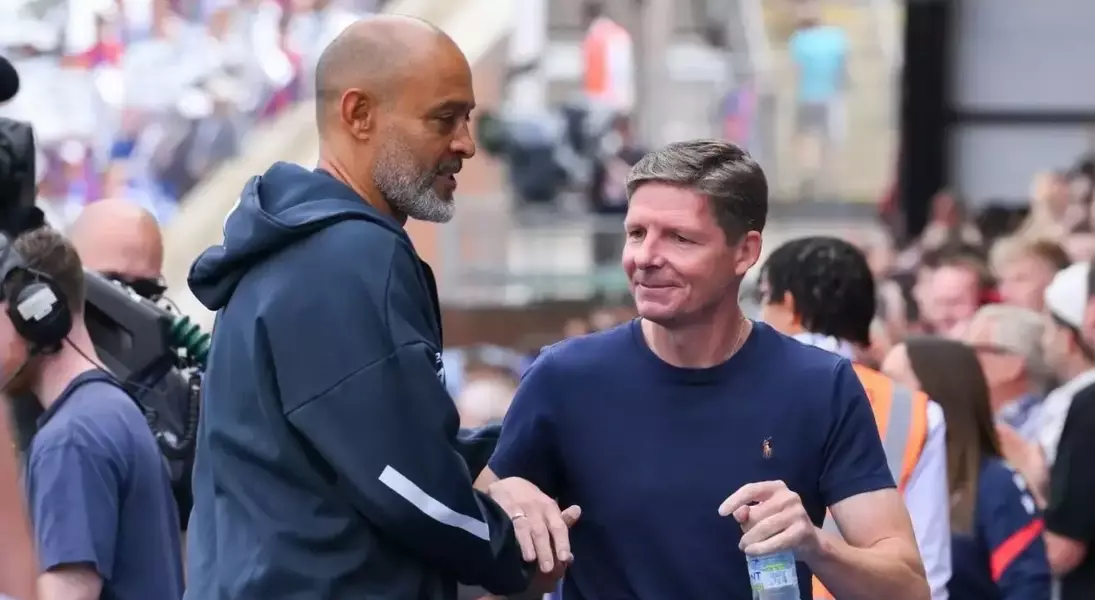
The ongoing dynamics between football clubs, particularly in the Premier League, often involve a complex interplay of on-field performance, transfer market strategies, and managerial stability. In this regard, the contrasting fortunes and internal challenges faced by Crystal Palace under Oliver Glasner and Nottingham Forest with Nuno Espirito Santo at the helm present a fascinating study. Glasner's transformative impact at Palace, leading them to an FA Cup triumph and elevating their play, stands in stark contrast to his public discontent regarding the club's approach to player acquisitions and retention. This situation has inevitably fueled speculation about his future, especially given Forest's own managerial dilemmas.
The historical rivalry between Crystal Palace and Nottingham Forest adds another layer of intrigue to this developing narrative. While Palace has celebrated unprecedented success under Glasner, including securing a significant trophy after decades, Forest has been building a competitive squad, albeit amidst internal discord between their coach and the ownership. The recent match between the two teams showcased Palace's tactical prowess despite selling a key player, while Forest's financial investment in their squad was evident in the quality of their substitutes. This disparity in resources and philosophical approaches to team management highlights the different paths these clubs are treading, with potential consequences for their respective futures.
As the transfer window progresses and the pressures of the new season mount, the managerial merry-go-round could see significant movement. Glasner's clear desire for a more ambitious transfer policy at Palace, coupled with Nuno's reported strained relationship with Forest's hierarchy, creates a scenario ripe for change. Should Nuno depart, Glasner, who was previously considered by Forest, emerges as a prime candidate. This potential shift underscores the fluid nature of football management, where success and ambition must align, and highlights the importance of strong, supportive leadership from ownership to allow talented managers to truly thrive and build lasting legacies, ultimately benefiting the entire footballing community.
