A profound shift is underway in the world of football, where fans are no longer merely spectators but have emerged as powerful forces for environmental responsibility. This new wave of supporter activism is transforming how clubs address their ecological footprint, driving meaningful change from the ground up. Initiatives pioneered by groups like Borussia Dortmund’s Strom 09 and Brentford’s Sustaina-Bees exemplify how dedicated fan bases can catalyze substantial carbon reductions and foster sustainable practices within their beloved organizations. This evolving dynamic underscores a crucial realization: the passion for the game can seamlessly extend to a commitment to global environmental health, signaling a future where sporting allegiance inherently encompasses ecological stewardship.
The impact of this fan-driven green movement extends far beyond symbolic gestures, yielding measurable environmental benefits and shaping club policies. By tackling the significant emissions associated with matchday travel and pushing for transparent sustainability reporting, supporters are compelling clubs to integrate environmental considerations into their core operations. This strategic leverage held by fan groups, particularly evident in countries like Germany where fan ownership grants direct influence, is forcing football institutions to confront climate challenges head-on. The combined efforts of these pioneering fan communities are not only reducing football's overall carbon footprint but also redefining the very essence of what it means to be a fan, intertwining club loyalty with a broader dedication to planetary well-being.
Pioneering Green Initiatives by Football Fans
Football supporters are moving beyond traditional displays of loyalty, evolving into influential environmental advocates who actively push their clubs toward greater sustainability. This transformative shift sees fan bases leveraging their collective passion to instigate tangible eco-friendly changes within the sport. Borussia Dortmund, for instance, has partnered with its fanbase and a green energy provider to launch \"Strom 09,\" an eco-tariff that enables supporters to power their homes with renewable energy while simultaneously reducing the club's carbon emissions. This pioneering scheme has already achieved significant carbon dioxide reductions, demonstrating the immense potential of fan-driven initiatives. Similarly, in west London, Brentford's independent supporters' group, Sustaina-Bees, is actively shaping the club's environmental agenda. Comprised of fans deeply concerned about the ecological crisis, this group is instrumental in integrating environmental considerations into Brentford's operations, influencing everything from community gardens to travel policies.
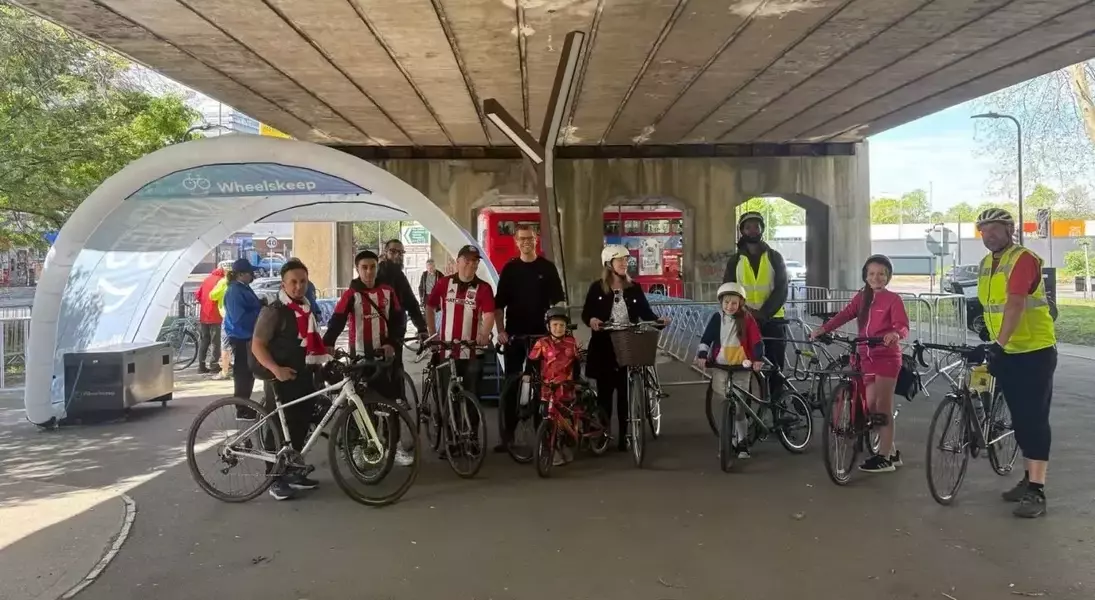
The success stories of clubs like Borussia Dortmund and Brentford highlight how supporter engagement can lead to concrete environmental improvements. Dortmund's Strom 09 has resulted in an impressive reduction of CO₂ emissions, effectively cutting one tonne of carbon for every seat in Signal Iduna Park, and has also generated revenue to support local community environmental organizations. Their commitment extends to biodiversity projects, such as establishing bee habitats around the stadium. Meanwhile, Brentford's Sustaina-Bees have been pivotal in the club's first sustainability report, emphasizing areas like governance, climate, circularity, nature, and engagement. Their efforts have led to visible outcomes like the Gtech Community Garden, a green space near the stadium that supports local flora and fauna. Furthermore, they've spearheaded initiatives like guided bike rides to matches, encouraging fans to choose sustainable transportation options and rewarding them for their participation. These examples demonstrate a clear paradigm shift, where fan passion translates directly into impactful environmental stewardship, proving that supporters are not just cheering from the stands but are actively contributing to a greener future for football.
The Growing Influence of Supporter Activism
The increasing prominence of fan activism is reshaping the conversation around environmental responsibility within football, compelling clubs to integrate sustainable practices into their core operations. What began as informal expressions of concern has evolved into organized movements, with fan groups leveraging various channels, from grassroots pressure to formal shareholder meetings, to demand environmental accountability from their teams. This burgeoning influence stems from a recognition that football, as a global phenomenon, carries a significant environmental footprint, particularly concerning fan travel to matches. Supporters are no longer content with passive observation; instead, they are actively challenging clubs to reduce emissions, improve recycling, and adopt more sustainable supply chains, highlighting the crucial role they play in driving systemic change.
This surge in fan-led environmental advocacy is strategically vital, especially given that matchday travel accounts for a substantial portion of football's overall emissions. Groups like Gunners for Change, Spurs REWIND, and United for Sustainability are at the forefront, orchestrating petitions, advocating for enhanced public transport options, and demanding greater transparency in carbon reporting. In Germany, where fan ownership grants supporters a unique legal standing, environmental motions are now a regular feature on annual general meeting ballots, underscoring the direct influence fans can exert over club policy. The outcomes of this activism are tangible and measurable, as seen in Brentford's successful fan engagement strategies and Borussia Dortmund's community-centric initiatives, both of which have led to verifiable reductions in CO₂ and a heightened awareness of environmental issues. This profound transformation signifies that football fans are not merely consumers of the sport but are becoming essential stakeholders in its sustainable future, redefining the very meaning of club loyalty to include a deep commitment to planetary health.
