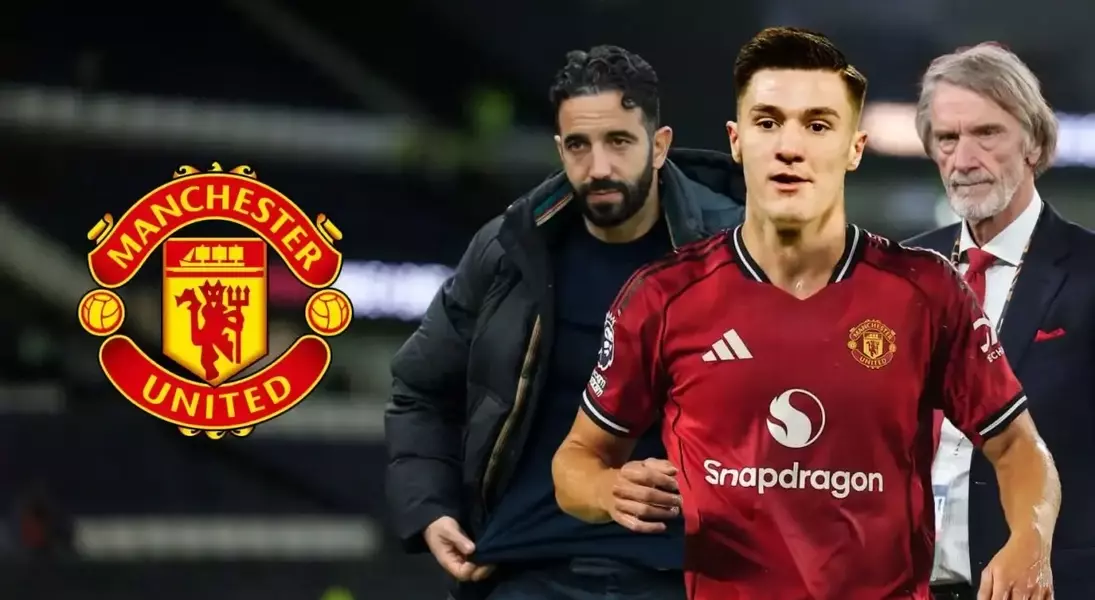
Despite significant incomings, Manchester United's transfer activities this summer continue to unfold with a familiar sense of struggle, placing head coach Ruben Amorim in a challenging position. The club has managed to bring in Bryan Mbeumo and Matheus Cunha, substantially enhancing their attacking options. The anticipated arrival of Benjamin Sesko, who reportedly chose United over other suitors, is set to further bolster the frontline. However, the club’s ambition to fund new acquisitions through player sales has largely hit a snag, with many high-value players remaining at Old Trafford due to unrealistic valuations or a lack of suitable offers. This has pushed United to explore loan agreements, especially for less central figures, as a pragmatic solution to navigate the remainder of the transfer period and address lingering squad deficiencies.
Amidst the complexities of player movement, a series of potential loan transfers highlights the strategic adjustments Manchester United is forced to make. Key players like Alejandro Garnacho, despite his immense potential, might depart on loan with a buy option, reflecting the club's struggle to secure outright sales. The surprising link to Nick Pope on a loan deal for a goalkeeper underscores United's reluctance to invest heavily in that position, prioritizing other areas, even if it means short-term solutions rather than permanent upgrades. Similarly, Jadon Sancho's future remains uncertain, with another loan spell, possibly at Aston Villa, appearing likely as the club attempts to offload his substantial wages. Antony, another high-profile signing who has struggled to justify his price tag, could also see a return to Real Betis on loan, signaling a continuous effort to rebalance the squad and financial sheet. Lastly, the pursuit of a new defensive midfielder, with Douglas Luiz emerging as a loan target, illustrates the ongoing need to strengthen the team's core while working within existing budgetary constraints.
This intricate transfer saga reveals the dynamic and often unpredictable nature of football's commercial side, where strategic planning meets practical challenges. Manchester United's approach, driven by the need to optimize squad composition and financial health, reflects a commitment to progress despite obstacles. The focus on acquiring talent that fits the strategic vision, even through temporary arrangements, demonstrates resilience and adaptability. Ultimately, these moves, while sometimes appearing as compromises, are essential steps towards building a cohesive and competitive team, fostering a culture where every decision, whether big or small, contributes to the collective goal of excellence and continuous improvement.
