
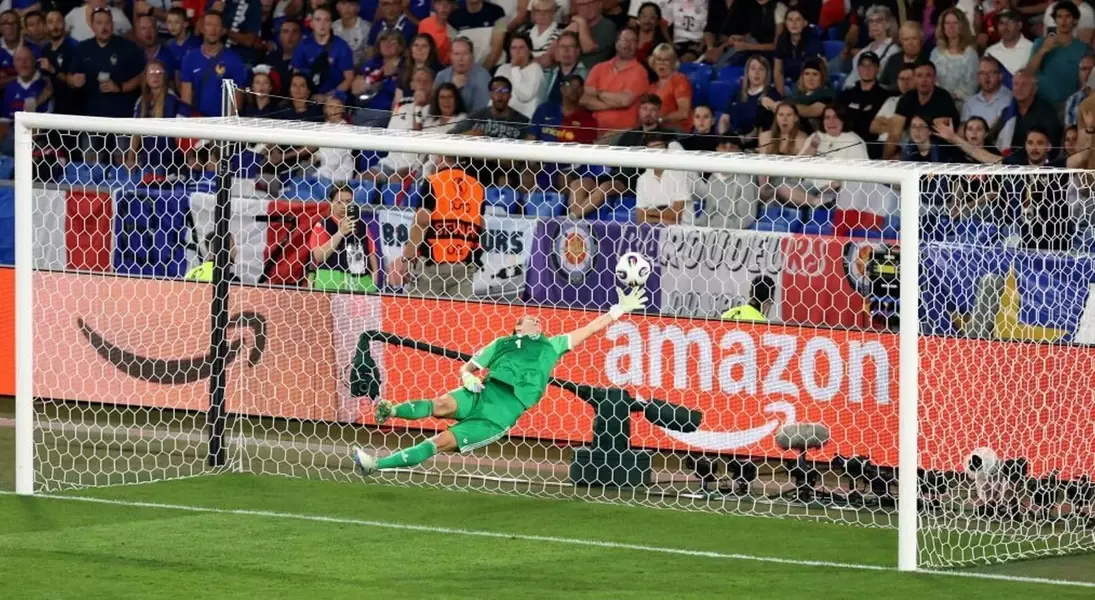
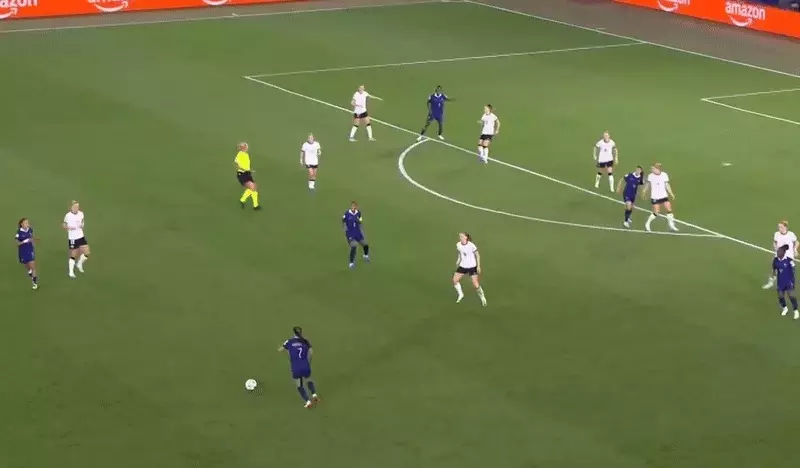



Ann-Katrin Berger, Germany's goalkeeper, recently delivered a performance that has captivated the football world, particularly her phenomenal save during the Euro 2025 quarter-final against France. This moment of pure brilliance showcased not only her extraordinary reflexes and agility but also the culmination of years of dedicated training. Her ability to react instantly to a deflected shot, making a seemingly impossible save, highlights the intense preparation goalkeepers undergo. Furthermore, her composure under pressure was evident not just in this save but throughout the game, including during the penalty shootout where she made crucial stops and even converted one herself. Berger's career, marked by resilience in overcoming two thyroid cancer diagnoses, further amplifies the significance of her on-field achievements, demonstrating a rare blend of mental fortitude and physical prowess that defines elite athletes.
Meanwhile, the football transfer market is experiencing a significant shake-up, with several high-profile players on the move, creating a ripple effect across European clubs. Manchester United's acquisition of Bryan Mbeumo and the loan of Marcus Rashford to Barcelona are prime examples of strategic adjustments by top teams. Similarly, Arsenal's recruitment of Noni Madueke and Liverpool's pursuit of Hugo Ekitike illustrate the ongoing scramble for offensive talent. These movements are not isolated incidents but rather interconnected transactions, where one player's transfer often precipitates another, as clubs adjust their rosters and financial strategies. This period of intense negotiation and player movement underscores the fluid nature of modern football, where tactical decisions off the pitch can be as impactful as those on it.
Beyond the professional leagues, the development of youth football is also undergoing a positive transformation, with an increasing recognition of the benefits of mixed-gender teams. Historically, women's football faced significant barriers, including bans, but the success stories of international players who trained alongside boys in their formative years demonstrate the developmental advantages of such integrated environments. This approach fosters a more competitive and inclusive learning atmosphere, enhancing the skill sets and adaptability of young players regardless of gender. The shift towards greater acceptance and encouragement of mixed youth teams signifies a progressive step, paving the way for more diverse and talented generations of footballers and contributing to the overall growth and enrichment of the sport.
In essence, these narratives collectively paint a vibrant picture of contemporary football, highlighting how exceptional individual performances, shrewd market dealings, and foundational developmental changes are all integral to the sport's evolution. Ann-Katrin Berger's display of courage and skill, the dynamic shifts in player transfers, and the enlightened approach to youth training all point towards a future where talent is nurtured, opportunities are expanded, and the spirit of competition continues to thrive with integrity and innovation. It reminds us that dedication, resilience, and inclusivity are not just admirable traits but essential components for success and progress in any field.
