
In a world still grappling with the echoes of a global health crisis, a poignant new video game, “Fishbowl,” emerges to offer a deeply personal reflection on isolation, loss, and the resilience of the human spirit. Developed by the two-person team at imissmyfriends.studio, Rhea Gupte and Prateek Saxena, this slice-of-life narrative invites players into the early pandemic experience of Alo, a young woman embarking on a new chapter in a new city while confronting profound grief.
“Fishbowl” Navigates Isolation and Loss Amidst Early Pandemic Days
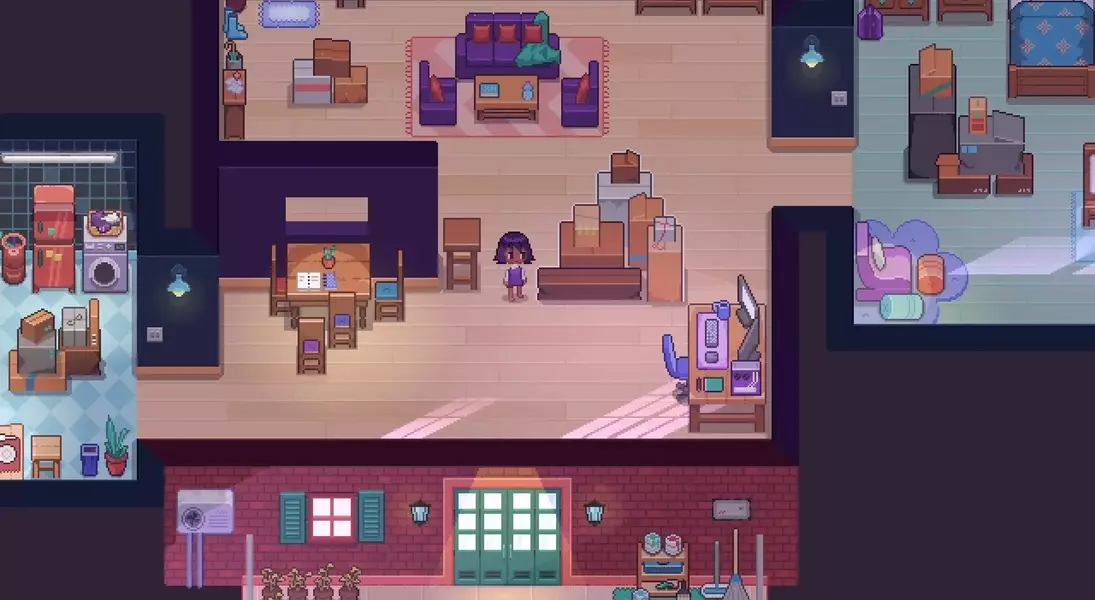
In the spring of 2020, as the world braced for an unprecedented shutdown, game developers Rhea Gupte and Prateek Saxena began crafting a digital experience that would eventually become “Fishbowl.” The game centers on Alo, who, just one month after the passing of her beloved grandmother, “Jaja,” relocates to an unfamiliar city as the COVID-19 pandemic casts its long shadow. Alo’s journey unfolds over a single pivotal month, offering players an intimate look at her attempts to find comfort and connection amidst profound solitude.
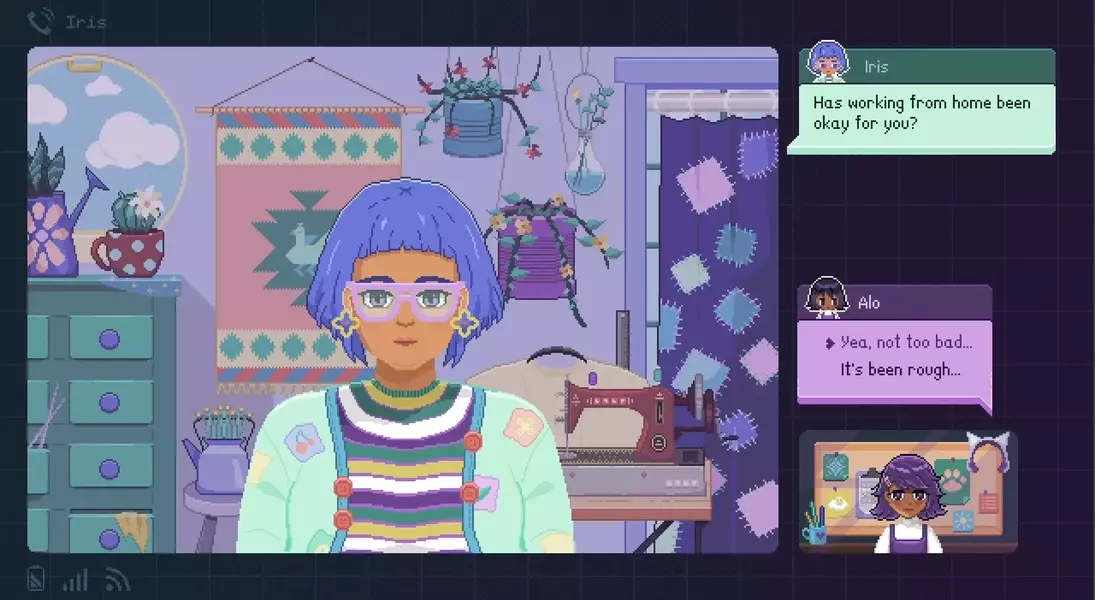
Players engage with Alo’s daily routines, which include editing videos through a charming mini-game, video calls with distant loved ones, and the quiet struggles of isolation and bereavement. A unique element of magical realism is introduced through Paplet, a cherished wind-up fish toy from Alo’s childhood. Paplet, discovered among her grandmother's belongings, becomes a conduit to Alo's past, opening windows into treasured memories and helping her process her grief. This narrative choice was inspired by Saxena's own memories of purchasing similar toys for his father, adding a layer of personal resonance to the game's core.
Gupte and Saxena, influenced by Studio Ghibli films like “Only Yesterday” and the game “To the Moon,” poured their hearts into “Fishbowl.” Gupte shared that the game's title originated from her 2020 art project, “Building Floors are Fishbowls,” which explored themes of isolation. The developers, who dedicated two and a half years to the project part-time before committing full-time, aimed to create a narrative that, even during dark times, could be a beacon of hope and belonging. Their sincerity has resonated deeply with players from diverse backgrounds, proving that shared human experiences transcend cultural boundaries.
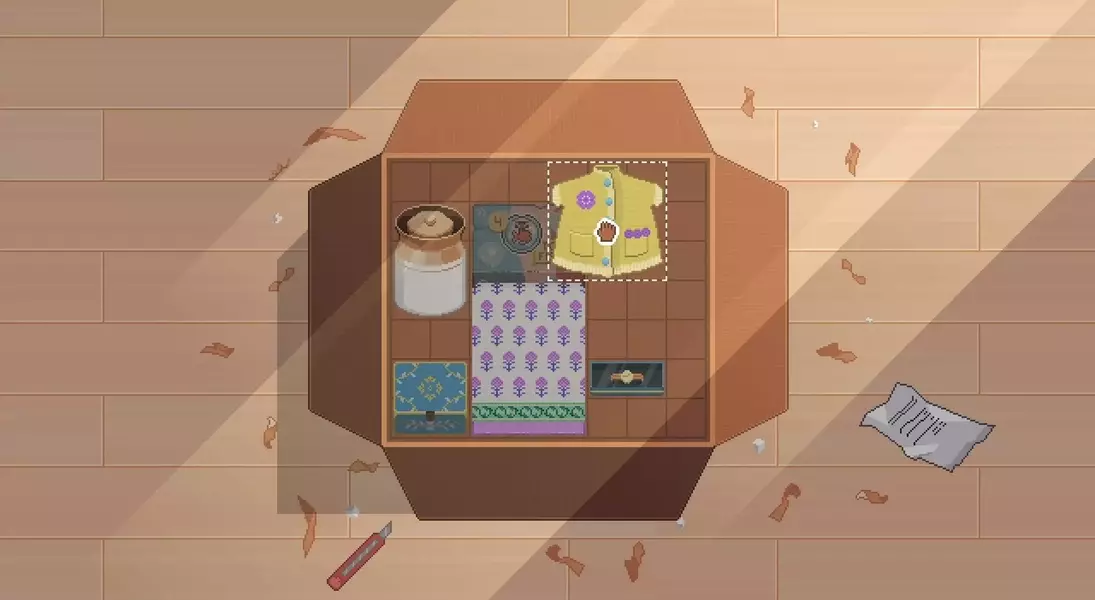
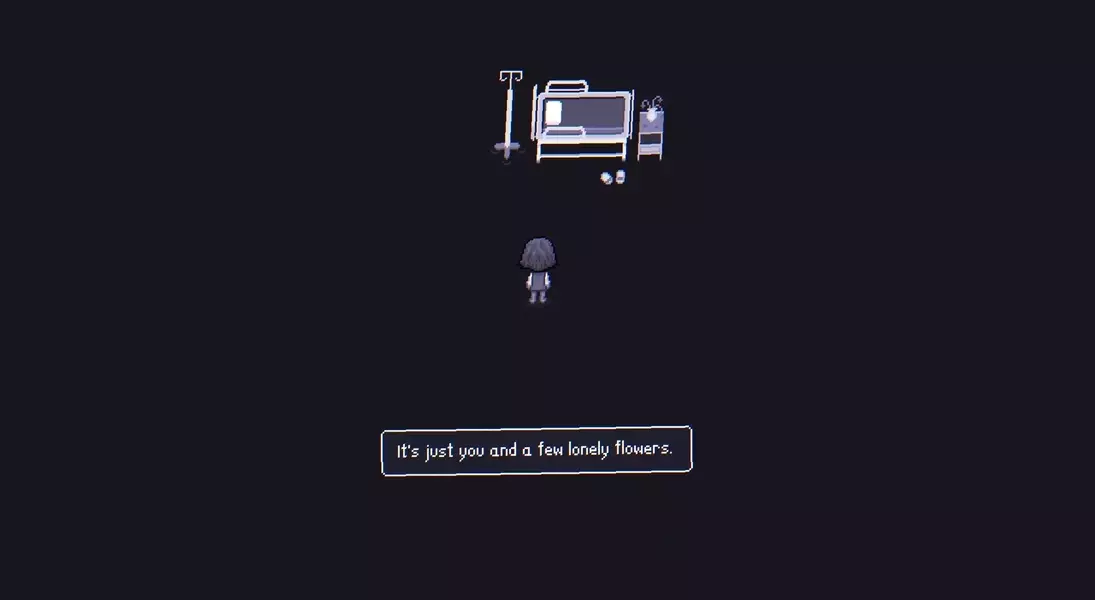
A central mechanic involves Alo sifting through boxes of her grandmother’s possessions, each a small puzzle unlocking fragments of their shared history. These moments, reminiscent of games like “Unpacking” but with a unique puzzle twist, serve as a tangible link to her past. Alo also journeys through dreamscapes and memories, which can be both heartwarming and heart-wrenching, often triggered by specific recollections. During one poignant dream sequence in the demo, players witness Alo revisiting the last moments with her grandmother and the fading spark of her childhood passion for poetry.
Paplet acts as a guide in these memory explorations, transporting Alo to moments like picking flowers for her grandmother in a park, reigniting her suppressed love for poetry. The game’s emotional depth is further enhanced by Alo's mood meter, which dynamically influences her choices and conversations. A low mood might lead to pessimistic outlooks, while a brighter disposition can foster self-acknowledgment and positive interactions. These choices ultimately shape the intimacy Alo shares with others and lead to varied, yet fitting, endings across a 7-14 hour playthrough.
“Fishbowl” is poised for its full release in April on PlayStation consoles and Steam, following an updated demo that has captivated early players. The developers, overflowing with a mixture of excitement and disbelief, hope that players will discover and appreciate the intricate details and heartfelt messages woven into every aspect of the game.
“Fishbowl” offers a powerful reminder of how art can illuminate the most challenging human experiences. It showcases the quiet strength found in navigating personal loss and isolation, emphasizing that even in the most solitary moments, connections can be forged and hope rekindled. The game's empathetic approach to mental well-being, highlighting the struggle to engage in self-care when feeling low, resonates deeply, making it not just a game but a gentle, encouraging companion for anyone who has ever felt overwhelmed by life's complexities.
