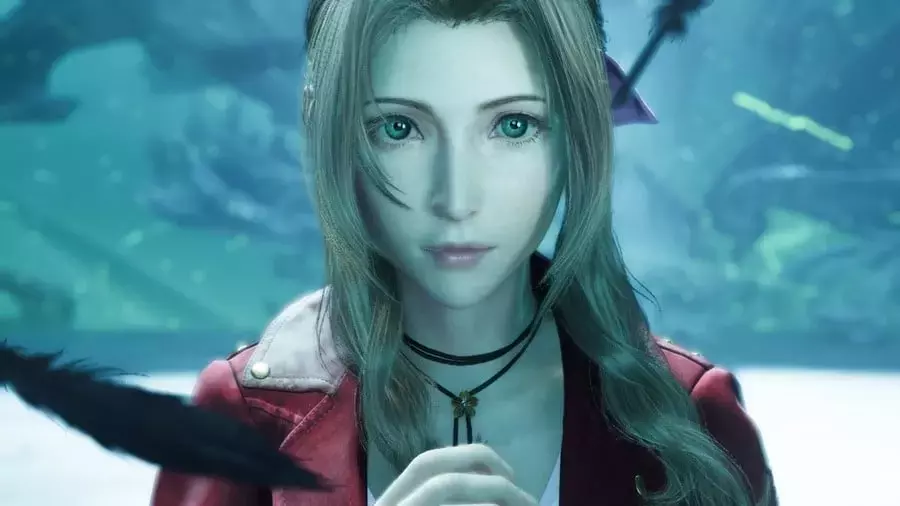
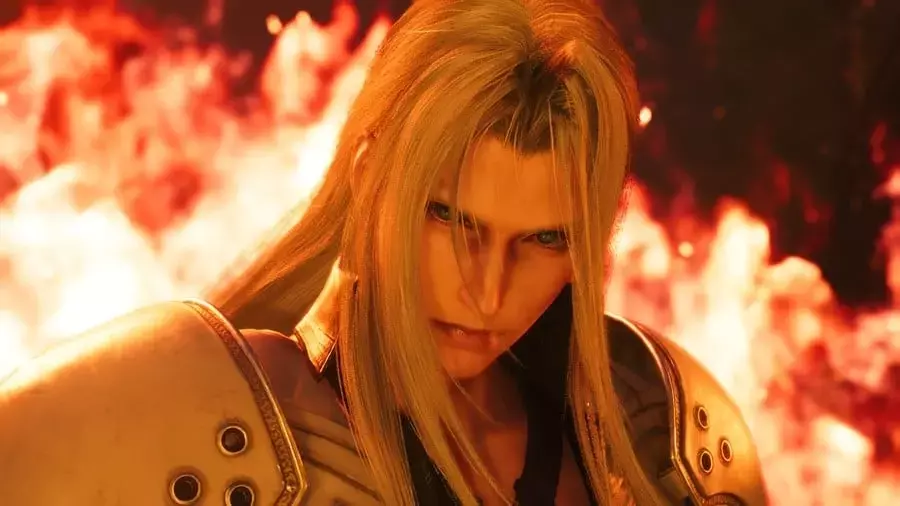
In a recent interview, Naoki Hamaguchi, the director behind the highly anticipated Final Fantasy VII Rebirth, shed light on the intricate process of bringing the epic title to the Switch 2, hot on the heels of its predecessor, Remake. The swift release schedule, with Rebirth launching just months after Remake Intergrade, underscores Square Enix's commitment to delivering a cohesive narrative experience. Hamaguchi emphasized that the decision to launch so closely stemmed from a desire to avoid fragmenting the player base, ensuring a continuous journey through the trilogy. The development team has been working tirelessly, even as they simultaneously forge ahead with the third and concluding chapter of the series.
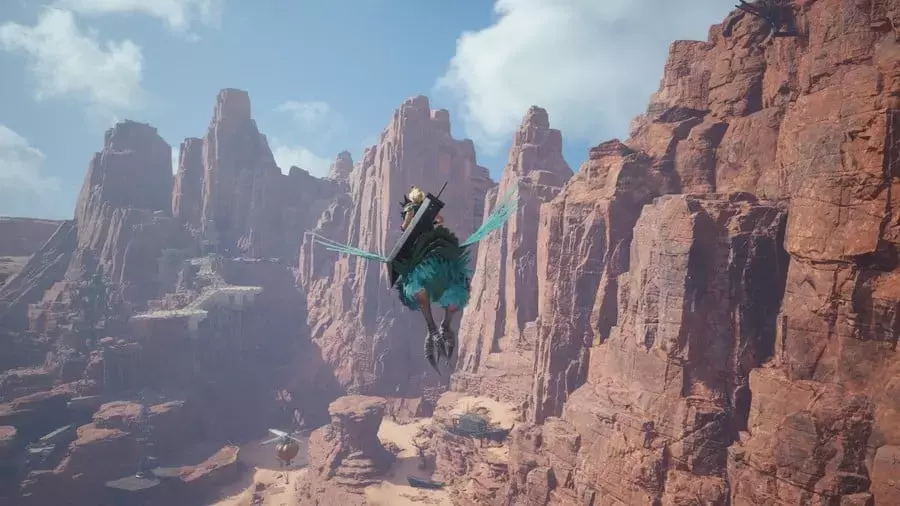
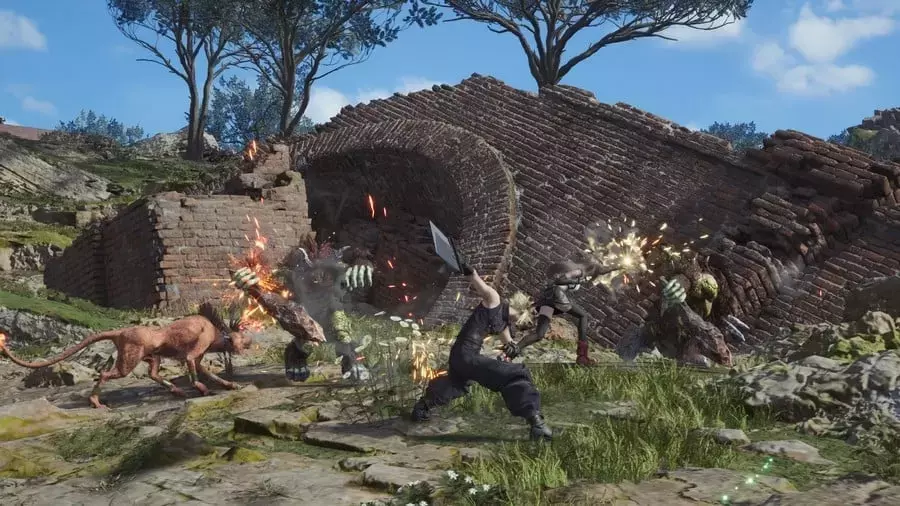
Hamaguchi delved into the technical hurdles overcome during the porting process, particularly the transition from Remake's linear design to Rebirth's expansive open-world. The team meticulously re-evaluated rendering techniques, lighting, and background streaming to adapt the game's demanding visuals for the Switch 2, all while prioritizing a consistent experience in both handheld and docked modes. The integration of DLSS technology proved crucial, utilizing dynamic resolution to maintain visual fidelity and a stable frame rate. Hamaguchi also shared his personal approach to balancing work and life, revealing that his "downtime" often merges with his creative process, and a daily 30-minute walk helps him clear his head and spark new ideas. He also expressed his keen interest in upcoming Switch 2 titles like Splatoon Raiders, analyzing their game design from a developer's perspective.
Looking ahead, Hamaguchi discussed the delicate balance between honoring the original Final Fantasy VII's legacy and introducing fresh innovation for contemporary audiences. He stressed the importance of preserving the emotional core and character relationships that fans cherish, while modernizing the presentation to resonate with new players. With the final installment of the trilogy in active development, Hamaguchi conveyed his profound certainty that the team will deliver a conclusion that not only meets but exceeds fan expectations, creating an unforgettable experience that will be cherished for years to come. His dedication reflects a deep personal connection to the series, driving him and his team to craft a worthy finale for this beloved saga.
The journey of creating the Final Fantasy VII Remake trilogy exemplifies the power of dedicated vision and relentless innovation. It reminds us that even in the face of significant technical and creative challenges, a commitment to quality and a deep respect for the audience can lead to extraordinary achievements. This endeavor serves as a testament to the idea that embracing both the rich heritage of the past and the possibilities of the future can forge something truly remarkable and enduring, resonating deeply with a global community of enthusiasts.
