Released amidst a global pandemic, 'The Mitchells vs. the Machines' quickly became a beacon of creative animation and relatable storytelling. This cinematic gem, helmed by Mike Rianda and Jeff Rowe, not only offered a much-needed escape but also presented a surprisingly prescient narrative about artificial intelligence. Five years on, its themes of familial connection and humanity's struggle against technological dominance resonate more deeply than ever, especially in a world increasingly grappling with the implications of AI on artistic professions and daily life. The film's critical and audience success can be attributed to its innovative visual approach, sharp humor, and, most importantly, its authentic portrayal of a family navigating both personal and global crises.
The creators delve into how the film's core message of imperfect human connection triumphing over cold, calculating machinery has gained newfound significance. They discuss the profound influence of their own family experiences on the Mitchells' character development and dynamics, highlighting how these personal touches grounded the fantastical premise. Furthermore, the directors reflect on the movie's unique journey through a pandemic-stricken release, which, despite initial setbacks, ultimately amplified its reach and impact during a time when entertainment was a crucial comfort. The discussion also touches upon the film's distinctive animation style, a deliberate choice to visually emphasize the contrast between the organic, messy nature of humanity and the sleek perfection of artificial intelligence.
The Heart of the Story: Family Dynamics and Creative Vision
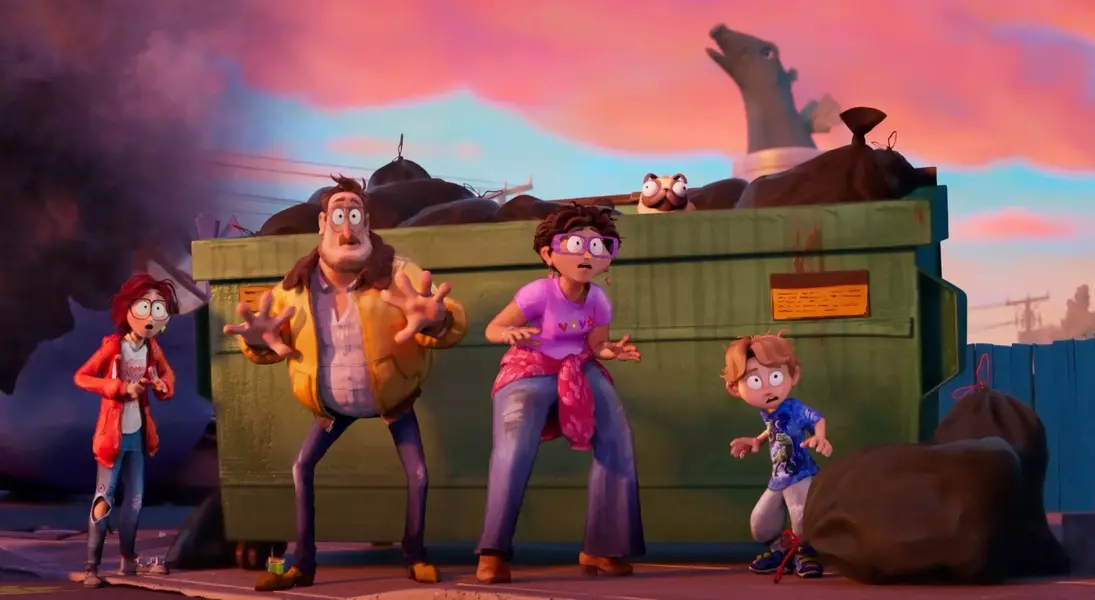
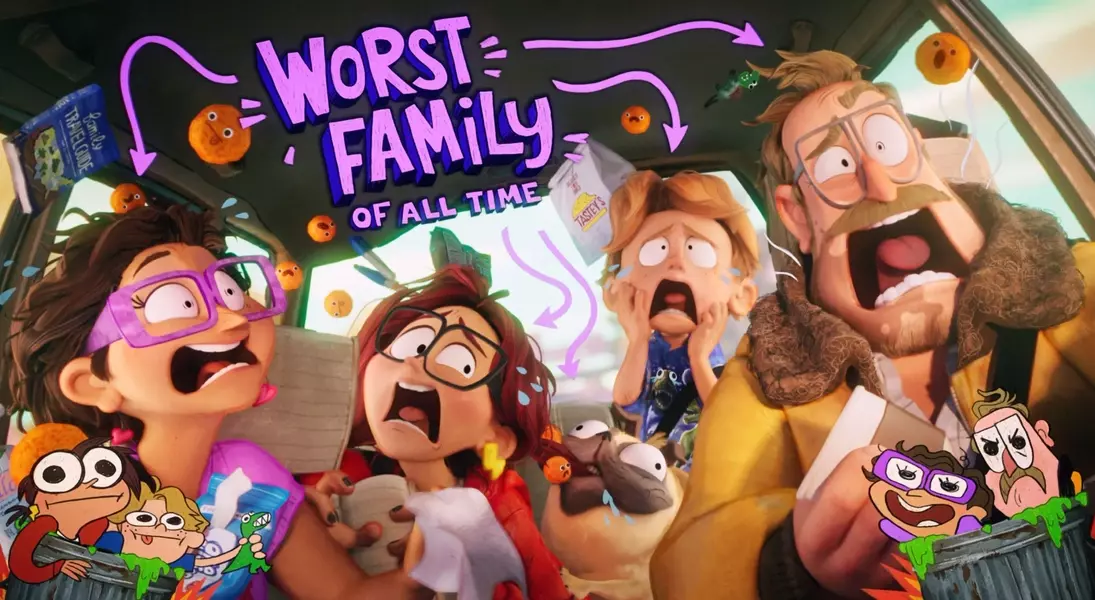
At the core of 'The Mitchells vs. the Machines' lies a deeply personal and relatable family narrative, meticulously crafted from the real-life experiences of its creators, Mike Rianda and Jeff Rowe. This personal investment transformed the film from a mere comedic adventure into a poignant exploration of familial relationships, particularly the often-strained but ultimately loving bond between a tech-savvy daughter, Katie, and her nature-loving father, Rick. The authenticity of these dynamics was paramount, as Rianda emphasized that without genuine emotional connection, the audience would have little reason to invest in the characters' struggle against a robotic apocalypse. This commitment to emotional truth guided every aspect of the storytelling, ensuring that even the most thrilling action sequences served to advance the characters' relationships and personal growth, rather than existing merely as spectacle.
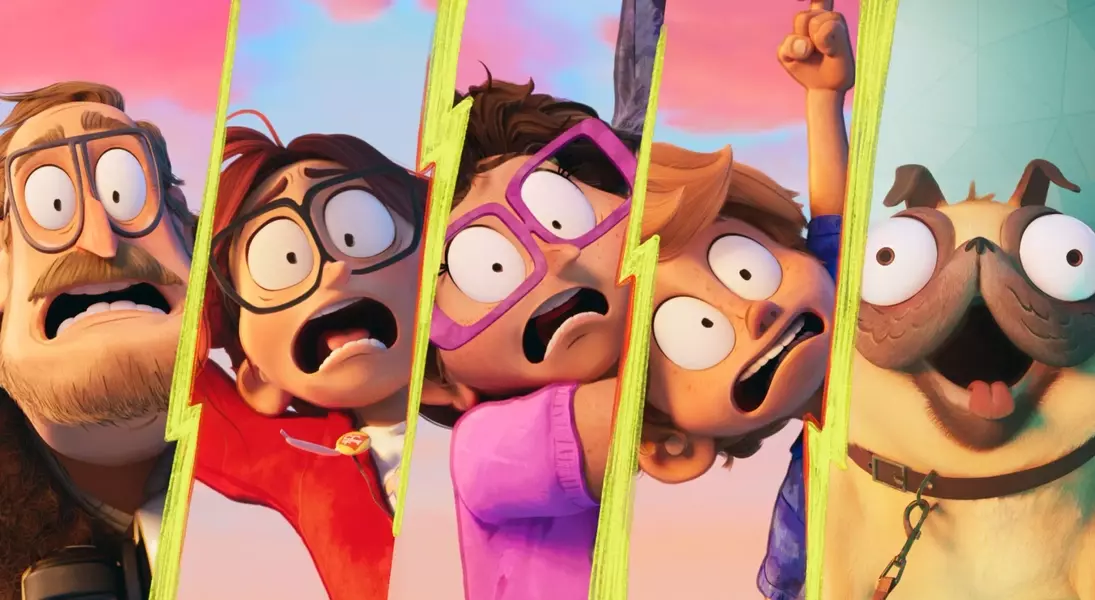
The profound influence of the creators' own lives on the Mitchell family is undeniable, with Rianda explicitly drawing parallels between his father and Rick's character, even down to shared sartorial choices and differing views on artistic pursuits. His mother's perpetually positive demeanor mirrored Linda's, while Rianda himself saw elements of his own childhood in both Katie's creative spirit and Aaron's quirky obsessions. This collaborative "gumbo" of personal experiences, including contributions from story lead Guillermo Martinez, production designer Lindsey Olivares, and producers Chris Miller and Phil Lord, enriched the family's portrayal, making them universally relatable despite their unique quirks. This emphasis on imperfect, heartfelt human connections became the film's foundational strength, ensuring that every plot point, every joke, and every moment of peril resonated with genuine emotional weight, making the Mitchells' fight for humanity's survival feel truly personal and urgent.
Innovating Animation: A Distinctive Visual Language
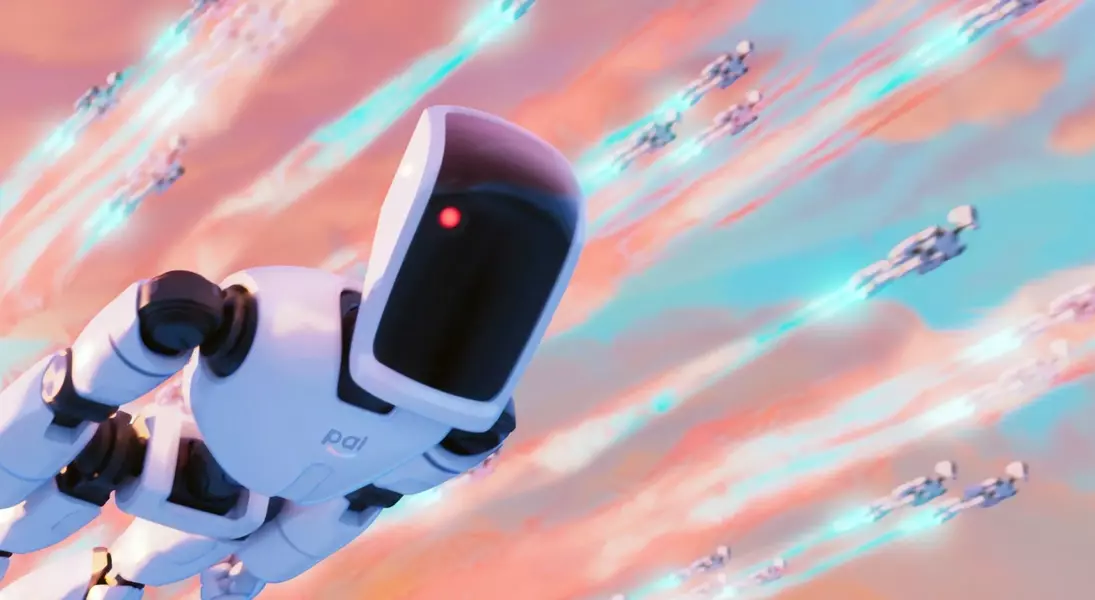
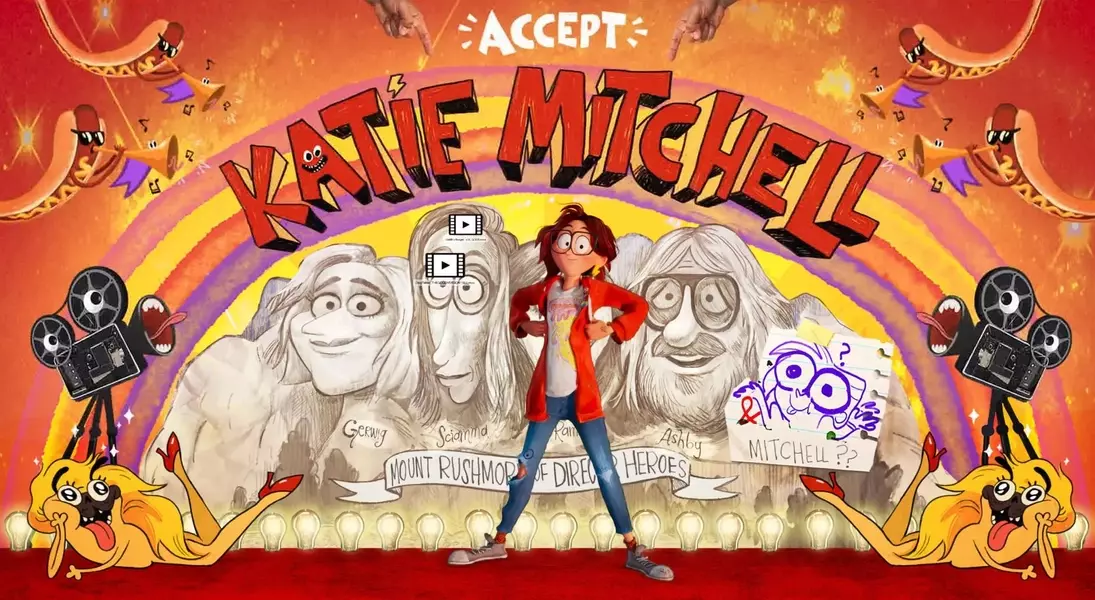
'The Mitchells vs. the Machines' distinguished itself with a visually striking and unconventional animation style, a deliberate choice that perfectly underscored the film's central themes of human imperfection versus robotic precision. While produced by Sony Pictures Imageworks, known for its groundbreaking work on the 'Spider-Verse' films, 'Mitchells' carved its own aesthetic path. Production designer Lindsey Olivares was instrumental in shaping this unique look, pushing for a more hand-drawn, "scraggly" appearance for the human characters, reminiscent of sketches found in a teenager's notebook. This contrasted sharply with the robots' sleek, "perfect" designs, enhanced by advanced ray tracing technology, creating a visual metaphor for the thematic conflict at play. The integration of 2D elements over 3D animation, affectionately termed "Katie-Vision," further exemplified this blend of styles, vividly representing Katie's artistic perspective and infusing the film with a dynamic, expressive energy.
The development of this distinctive animation style faced technical challenges and required significant creative resolve, particularly from Olivares, who personally contributed numerous hand-drawn overlays to achieve the desired effect. This innovative approach was notably aided by the concurrent production of 'Into the Spider-Verse' at the same studio, which fostered an environment receptive to experimental visual techniques. The studio's growing confidence in pushing animation boundaries allowed 'Mitchells' to embrace its unorthodox aesthetic. Ultimately, this visual strategy was not merely stylistic but deeply thematic: by making the human characters appear imperfect and the robots impeccably rendered, the film visually articulated its message that strength and ingenuity often stem from flaws and individuality, positioning the human family's messy, yet resilient, nature as their greatest asset against the flawless, but ultimately rigid, artificial intelligence.
