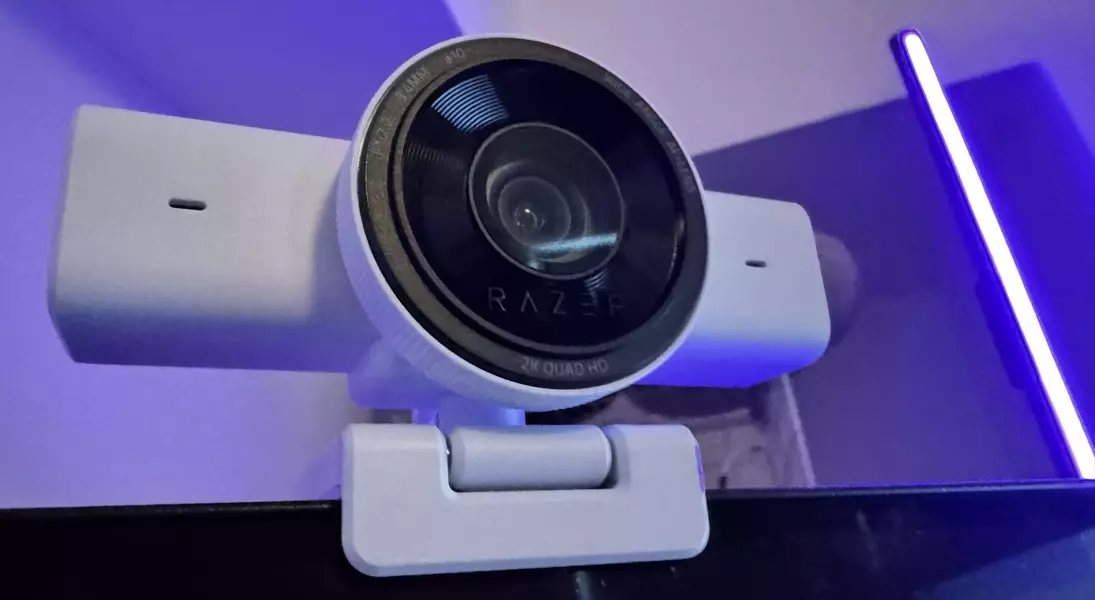
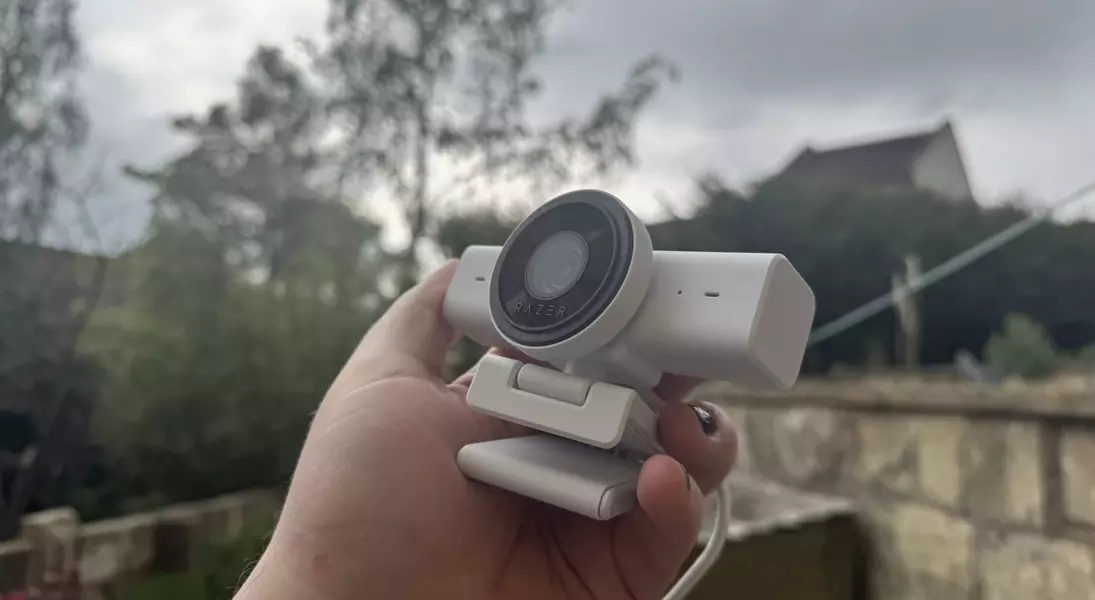



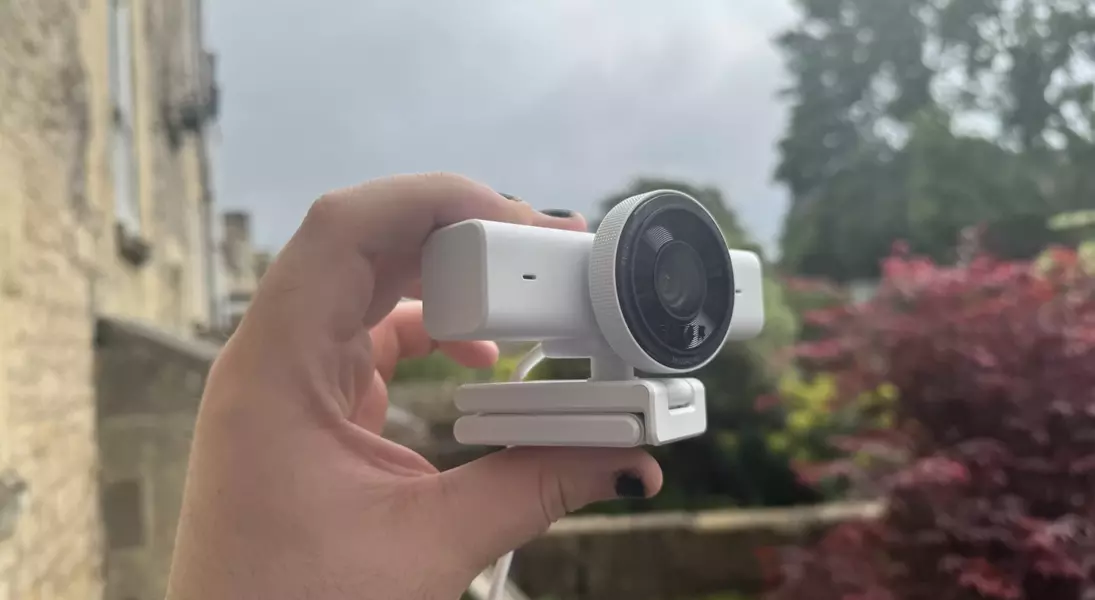
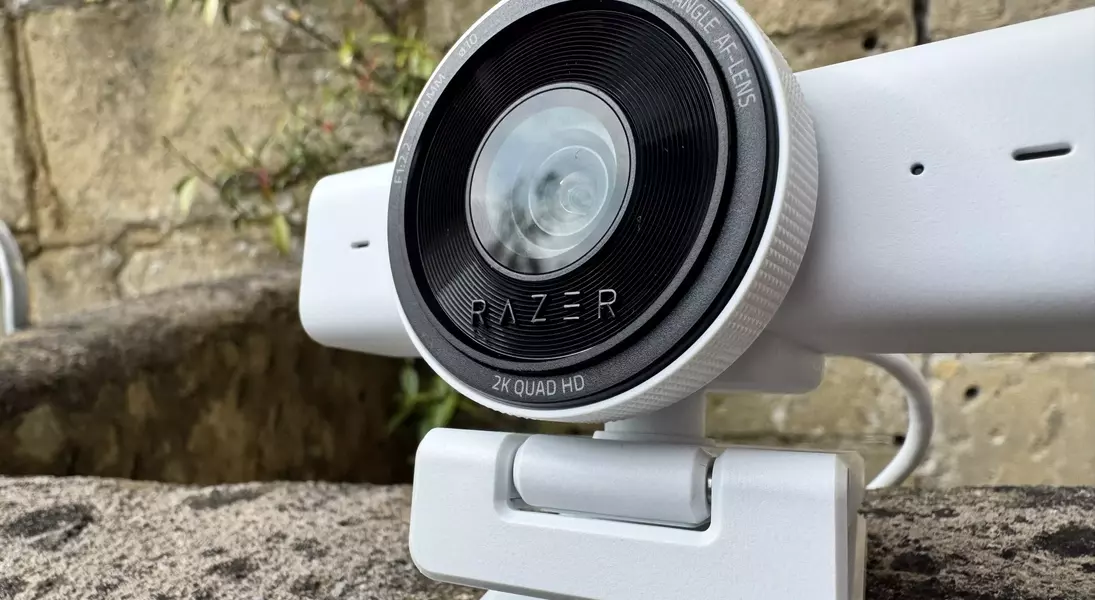
The Razer Kiyo V2 X webcam, a device capable of 1440p resolution at 60 frames per second, struggles to establish its value in a market increasingly dominated by higher-resolution and more feature-rich alternatives. Despite its appealing aesthetic and integrated privacy feature, the webcam's performance in varied lighting conditions, particularly low light, and its often-distracting autofocus mechanism, present significant limitations. Priced at $100, it finds itself in a challenging position, competing with both more affordable entry-level options and more advanced 4K webcams that frequently offer superior performance for a comparable or slightly higher cost.
Webcams capable of 1440p resolution occupy a somewhat specialized niche, often seen as an intermediate step between standard HD and premium 4K models. While the Kiyo V2 X can capture video at 1440p and a smooth 60 frames per second, a notable advantage over some 4K webcams limited to 30 fps at that resolution, this benefit is frequently overshadowed by other shortcomings. The device's predecessors in the Kiyo series, known for their strong low-light capabilities—with the original Kiyo featuring a built-in ring light and the Kiyo Pro utilizing an advanced light sensor—set a high bar that the V2 X fails to reach. Its performance in dimly lit environments is suboptimal, characterized by visual noise and a persistent need for the autofocus to recalibrate. The autofocus, in particular, is prone to frequent adjustments, even with minor movements, which can disrupt the user experience during video calls or streaming sessions.
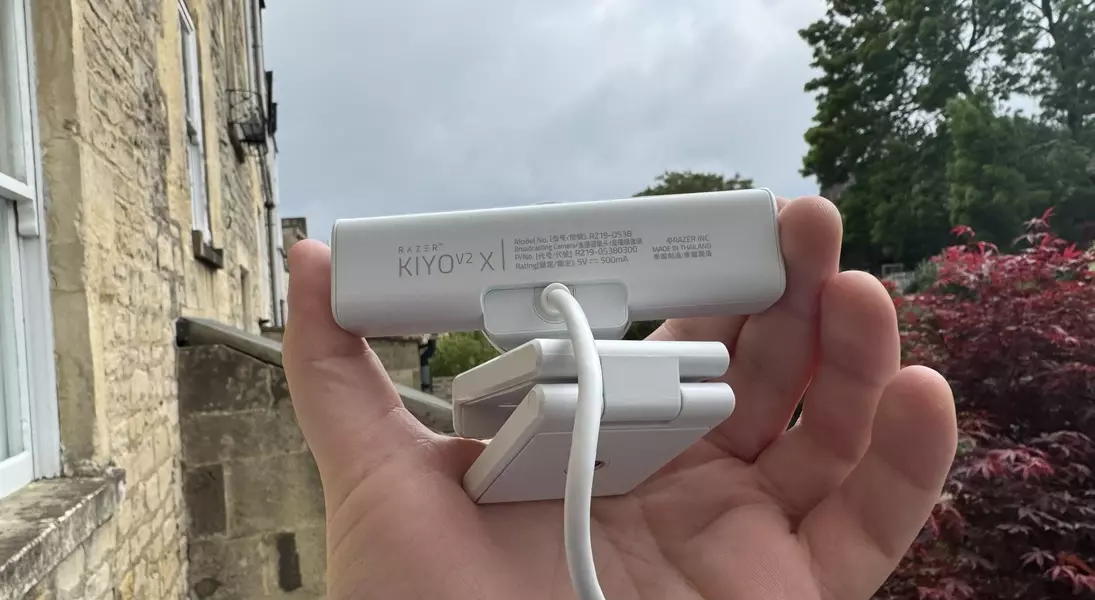
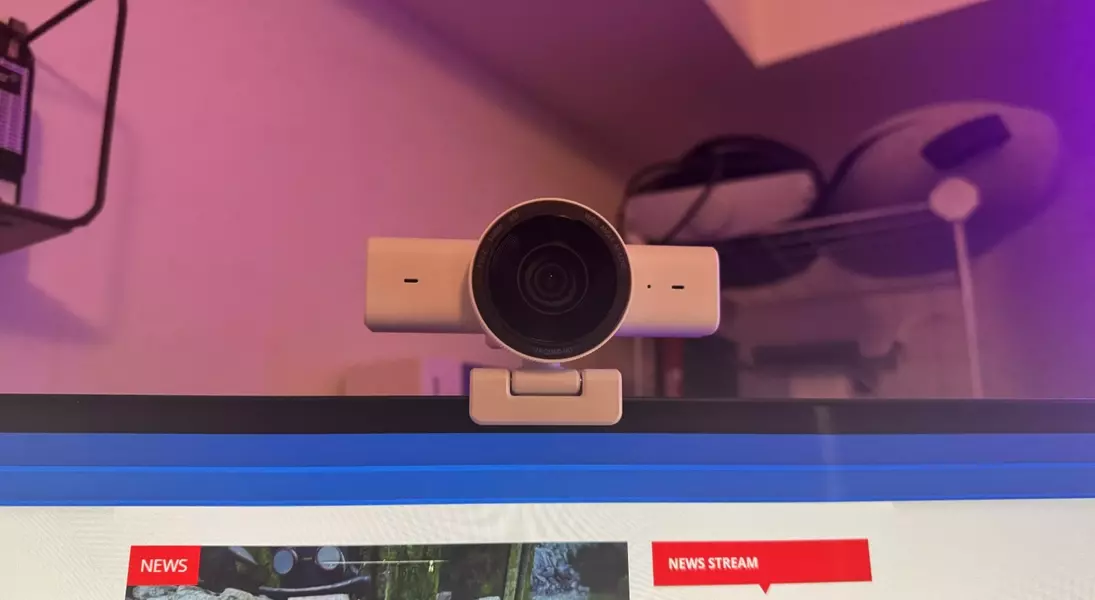
Users can attempt to mitigate some of these issues using Razer's Synapse software, which allows for manual brightness adjustments and disabling autofocus. However, manual focus requires constant intervention, and software control overrides settings in other applications, hindering seamless adjustments. The webcam's physical design is generally user-friendly, easily attaching to monitors with its integrated stand and featuring a convenient physical privacy shutter. Yet, the non-detachable USB Type-A cable adds a point of vulnerability and inconvenience for portability. Additionally, the Kiyo V2 X lacks HDR support, a feature that could significantly enhance its low-light performance and overall image quality in challenging lighting scenarios, such as environments with strong backlighting from windows.
The integrated microphone delivers average audio quality, suitable for casual meetings but lacking advanced noise cancellation or sound processing, making it less ideal for more demanding audio needs. Ultimately, the webcam's $100 price point remains a primary concern. Competing devices like the OBSBot Meet 2, which offers enhanced capture quality and autofocus, often drops to a similar price. Furthermore, innovative options like the Emeet Pixy, a 4K camera with a gimbal for tracking, are sometimes available at or below the Kiyo V2 X's price. These alternatives provide superior features and performance, making it difficult to justify the Kiyo V2 X as a compelling choice for consumers in today's competitive webcam market.
In conclusion, the Razer Kiyo V2 X appears to be a product that would have been more relevant a few years ago. While it is not inherently flawed, offering decent image quality in standard lighting and basic functionalities for video conferencing or streaming, its current market position is weak. Given the rapid advancements and competitive pricing in webcam technology, the Kiyo V2 X struggles to differentiate itself through either performance, innovation, or cost-effectiveness. Consumers have access to numerous excellent webcams at or near the same price point, many of which surpass the Kiyo V2 X in crucial areas like low-light performance and autofocus reliability, making it a less attractive option for modern users.
