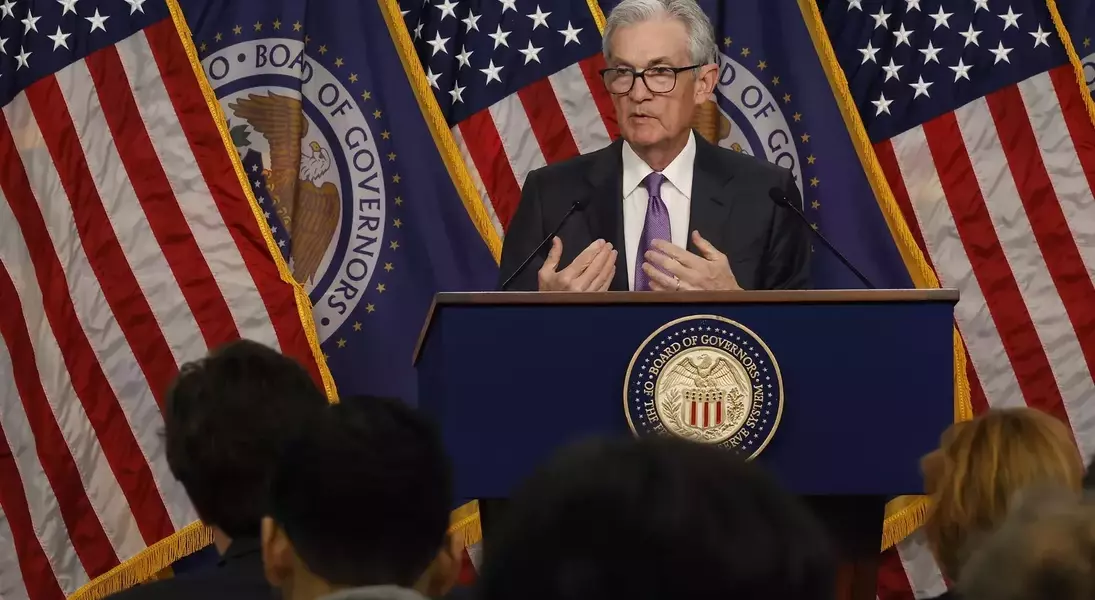
The Federal Reserve's ongoing deliberation regarding potential future interest rate adjustments is significantly influenced by a key economic concept: the neutral interest rate. This theoretical rate represents the equilibrium point at which monetary policy neither stimulates nor slows down economic activity, allowing for sustainable growth and stable inflation. However, precisely identifying this rate proves to be a substantial challenge for policymakers, contributing to the current uncertainty surrounding the Fed's next moves.
The debate among economists and Fed officials centers on whether current interest rates, which stand between 3.5% and 3.75% following a series of reductions, are already at or near this neutral level. Some argue that the policy may still be mildly restrictive, while others believe it is approaching neutrality or could even risk becoming accommodative if further cuts are made. This divergence of opinion stems from various factors, including persistent inflationary pressures, the restructuring of global supply chains post-pandemic, and the unknown long-term effects of artificial intelligence on productivity and employment. These complex dynamics make it difficult to forecast the neutral rate with precision, leading to a cautious approach by the Fed to avoid inadvertently stimulating inflation or hindering economic stability.
Ultimately, the Fed's careful approach to the neutral rate underscores its commitment to data-driven policy. While the exact neutral rate remains a subject of debate, the Federal Reserve continues to monitor economic indicators closely. The varying perspectives among Fed officials reflect the complexity of modern economic challenges, emphasizing the need for flexible and responsive monetary policy to maintain a healthy and stable financial environment. This strategic patience aims to ensure that any future rate adjustments are well-calibrated to support sustained economic prosperity.
