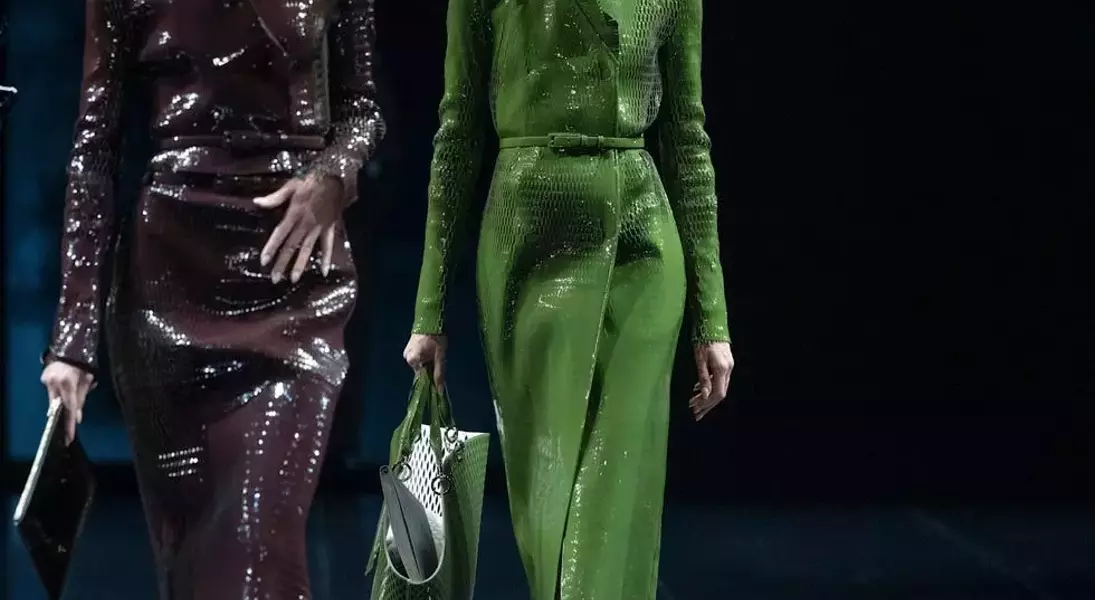
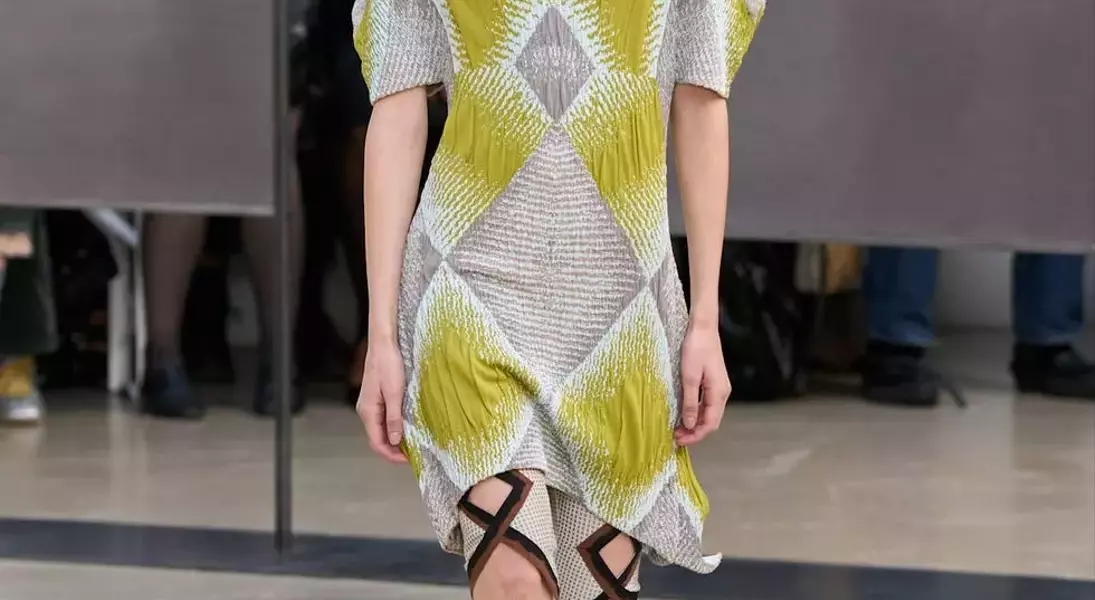
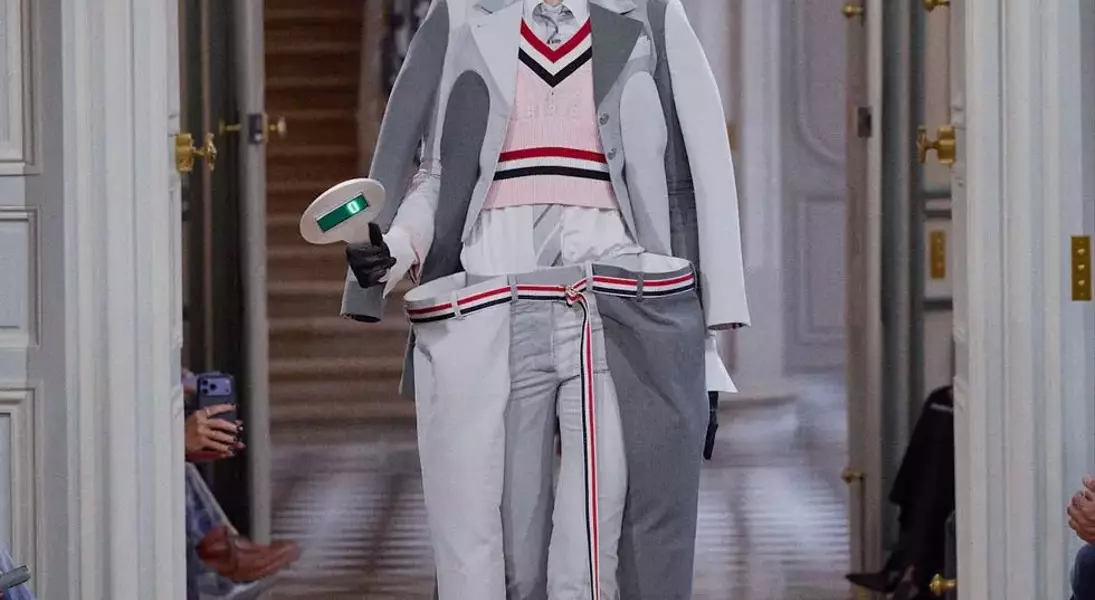
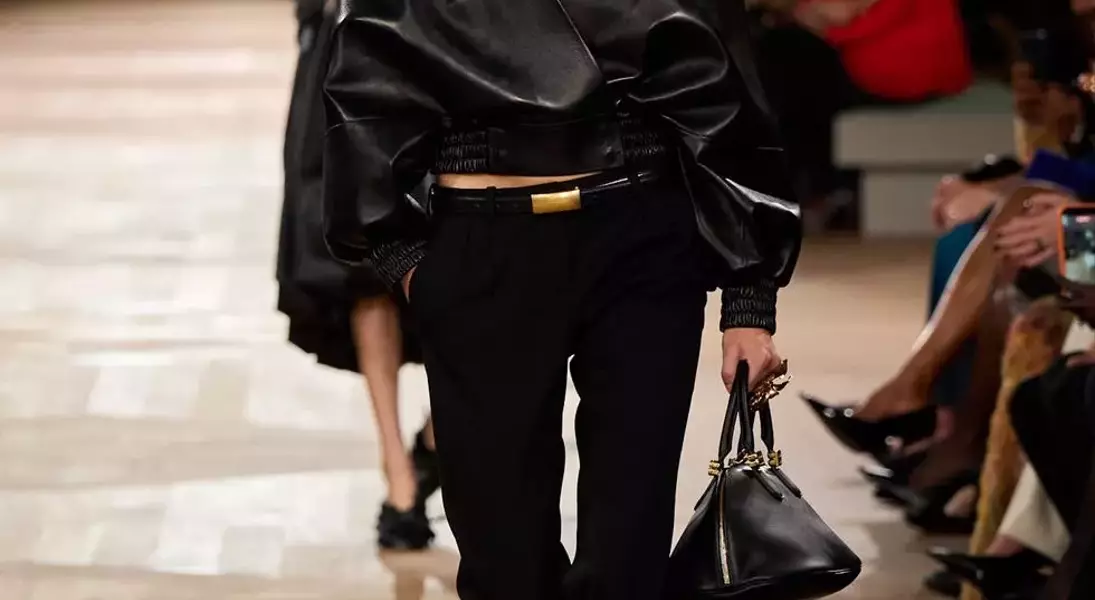
The Spring 2026 fashion showcases reveal a distinct shift toward imaginative and fantastical aesthetics, with designers increasingly seeking to transport audiences to alternative realities. This movement appears to be a response to the prevailing desire for escapism in an era marked by constant challenges and anxieties. The runway has transformed into a stage for narratives drawn from science fiction, video games, and historical periods, emphasizing bold, whimsical, and often dramatic silhouettes. This trend suggests a collective yearning to break away from mundane reality and embrace a more playful and exploratory approach to personal style and cultural expression.
This season's collections are characterized by a pronounced sense of theatricality and an embrace of the unconventional. From dramatic, almost combative, forms to otherworldly motifs, the designs aim to evoke a sense of wonder and adventure. Major fashion houses are not only experimenting with silhouettes and themes that defy conventional beauty standards but also incorporating interactive elements inspired by digital realms. The fusion of high fashion with gaming culture, in particular, highlights a growing recognition of the influence of virtual experiences on real-world aesthetics, catering to a new generation of consumers who blur the lines between digital and physical identities. This bold direction aims to challenge sartorial norms and redefine the boundaries of luxury.
The Digital and Cosmic Influences on Contemporary Fashion
The latest fashion trends for Spring 2026 are heavily influenced by the digital world of video games and the boundless imagination of cosmic themes. Designers are creating looks that are not just garments but statements, drawing direct inspiration from virtual realities and science fiction narratives. This manifests in everything from 'Matrix'-like outerwear to fantastical, almost alien, headpieces and silhouettes that suggest characters from epic sagas or intergalactic adventures. Brands like Courrèges, Kiko Kostadinov, and Tom Ford have presented collections that feel like costumes for an alternative existence, tapping into the escapist appeal of gaming and speculative fiction. This integration signals a deeper connection between fashion and popular culture's most immersive forms of storytelling.
This season's runways have showcased a captivating convergence of high fashion and elements traditionally found in video games and cosmic exploration. Courrèges, for instance, featured shield-like dresses that seemed ready for a futuristic battle, while Kiko Kostadinov presented designs reminiscent of characters from 'The Legend of Zelda' or 'Star Trek.' Haider Ackermann's work for Tom Ford displayed 'Matrix'-inspired jackets in vibrant hues, and Duran Lantink's Jean Paul Gaultier pieces evoked the iconic aesthetic of 'The Fifth Element.' Beyond runway theatrics, brands like Coach and Skims have directly integrated into video game platforms like 'The Sims 4' and 'Fortnite,' offering digital collections and customizable skins. This literal embrace of gaming culture highlights its significant influence, especially among a demographic where nearly half of U.S. gamers are women. This trend underscores fashion's role in constructing identity, not just for the physical world but for imagined universes, offering a playful and bold departure from traditional luxury.
Escapism and Historical Resonances in Modern Design
The current surge of extravagant and fantasy-driven designs is not merely a fleeting trend but a profound reflection of a societal yearning for escapism. After prolonged periods of minimalist aesthetics, fashion is now accelerating in the opposite direction, favoring dramatic and imaginative creations that prioritize fantasy over practicality. This shift echoes historical patterns, particularly the escapist art and entertainment movements of the 1920s and 1930s, when surrealism and screwball comedies provided solace during times of global upheaval. Fashion's current embrace of the fantastical serves as a psychological refuge, allowing individuals to mentally journey to alternative worlds, whether fictional, historical, or purely imaginary, as a means to cope with contemporary challenges.
Experts like Valerie Steele, chief curator at the Museum at FIT, point to historical parallels, noting that during difficult times, popular culture often leans into escapist fantasies. The 1930s saw the rise of screwball comedies, offering audiences a distraction from real-world problems. Similarly, the surrealist and Dada movements of the 1920s sought to merge reality with fantasy, expanding the boundaries of imagination. Today, as the world faces unprecedented challenges, designers are consciously or subconsciously creating clothing that allows for a mental escape. While traditional futurism is less prevalent due to a somber outlook on the future, there's a strong emphasis on "alternative realities." This manifests in retro-futuristic nods to the 1960s, seen in designers like Grace Ling, and the vibrant, joyful aesthetics of the 1980s, revisited by brands such as Versace and Valentino. These historical inspirations provide a sense of optimism and a connection to eras that once looked hopefully towards the future, reaffirming fashion's role as both a mirror and a balm for societal moods.
