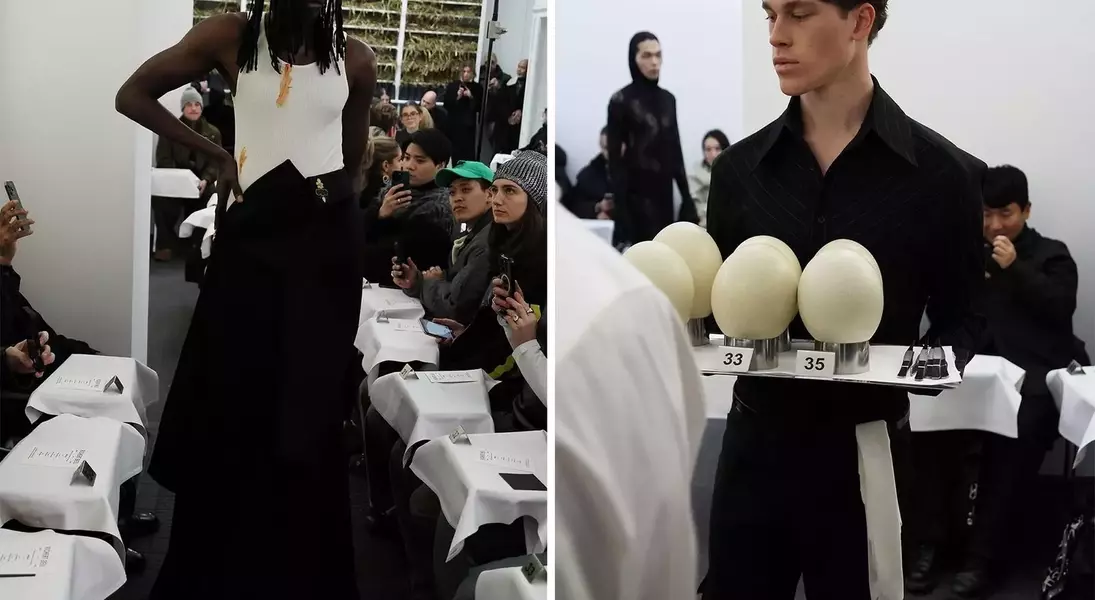
Berlin's independent fashion scene is blossoming, challenging the city's reputation for unconventional rather than commercially driven retail. Historically, Berlin's shopping identity has been tied to vintage finds, niche concept stores, and weekend markets, with established luxury brands operating standalone stores and larger retailers dominating multi-brand spaces. However, local independent labels, traditionally wary of high operating costs in a city with fewer affluent residents compared to Munich or Düsseldorf, are now embracing innovative retail models. This marks a significant turning point, as a new wave of brands confidently invests in physical storefronts, transforming them into vibrant hubs that extend beyond mere transactions.
Independent Spirit, Elevated Experience: Berlin's Retail Renaissance
The Emergence of a New Retail Confidence in Berlin's Fashion Landscape
Berlin, a city often celebrated for its artistic expression rather than its luxury retail, is witnessing a notable shift in its fashion industry. For years, the perception of shopping in the German capital has revolved around vintage shops, avant-garde concept spaces, and bustling markets, distinct from the high-end boutiques found in global fashion hubs. While international luxury brands maintain a presence, and major retailers like Kadawe, Zalando, and Mytheresa command the broader market, independent German designers have historically hesitated to invest in brick-and-mortar stores. This reluctance stemmed primarily from Berlin's comparatively smaller wealthy demographic and the escalating operational expenses, which posed significant challenges for smaller, burgeoning brands.
Independent Brands Paving the Way for Retail Evolution
Despite past reservations, a fresh wave of independent Berlin-based fashion labels is boldly venturing into physical retail. November saw Haderlump Atelier Berlin, a prominent gender-fluid brand, unveil its inaugural store in the eclectic Kreuzberg district. Concurrently, acclaimed womenswear designer William Fan has revitalized and expanded his decade-old boutique in Mitte, a space that evolved from a student-run basement operation to a full-fledged house since 2024. Adding to this momentum, Richert Beil, another distinguished independent label, is finalizing its new establishment in Kreuzberg, with its grand opening anticipated this spring. These developments collectively signify a burgeoning commercial optimism among Berlin's design community.
Redefining the Shopping Experience: Hybrid Spaces and Community Hubs
These pioneering Berlin labels, though diverse in their aesthetic and target audience, share a unified vision: to offer a more refined and intimate shopping journey for the city's burgeoning creative class. This demographic, comprising art collectors, gallery owners, musicians, and entrepreneurs, is increasingly seeking elevated retail experiences that transcend conventional boutiques. In response, these founders are pioneering hybrid spaces that fluidly integrate retail with creative studios, event venues, and exclusive client salons. This innovative approach moves beyond mere commerce, fostering environments for deeper engagement and community building.
Haderlump's Organic Growth and Unique Retail Concept
Julius Weissenborn, co-founder and managing director of Haderlump, alongside designer Johann Ehrhardt, highlights the distinctive nature of Berlin's retail scene. He notes the city's abundance of second-hand stores but emphasizes the unmet demand for more sophisticated experiences. Haderlump has achieved rapid expansion by producing almost all its garments in its Berlin atelier, circumventing the large minimum order quantities that often hinder emerging brands. The company, employing six individuals, has seen its revenues double annually over the past three years, exceeding €500,000 in 2024. Its best-selling items, such as a black hoodie with a metal screw detail, a wrinkled bomber jacket, and a zip-up shirt, reflect its unique design ethos. The brand's physical store came about unexpectedly when customers, finding their atelier via Google Maps, started visiting unannounced, prompting the founders to formalize their retail presence with the help of investor Marc Sasserath.
William Fan's Client-Centric Approach and Boutique Expansion
William Fan's journey into retail was a more calculated decision. Despite the prevailing trend among independent designers to pursue wholesale opportunities in fashion capitals like Paris or New York, Fan instinctively focused on direct customer engagement. The majority of his sales now originate from his Berlin boutique, where art world clients typically spend between €5,000 and €10,000 per visit. Ready-to-wear constitutes approximately 80% of his turnover, complemented by fine jewelry, leather goods, and ceramics. The company, with 10 employees, reported record sales in 2025, marking a 35% increase from the previous year and enabling a recent renovation of his space.
Richert Beil's Visionary Retail and Creative Sanctuary
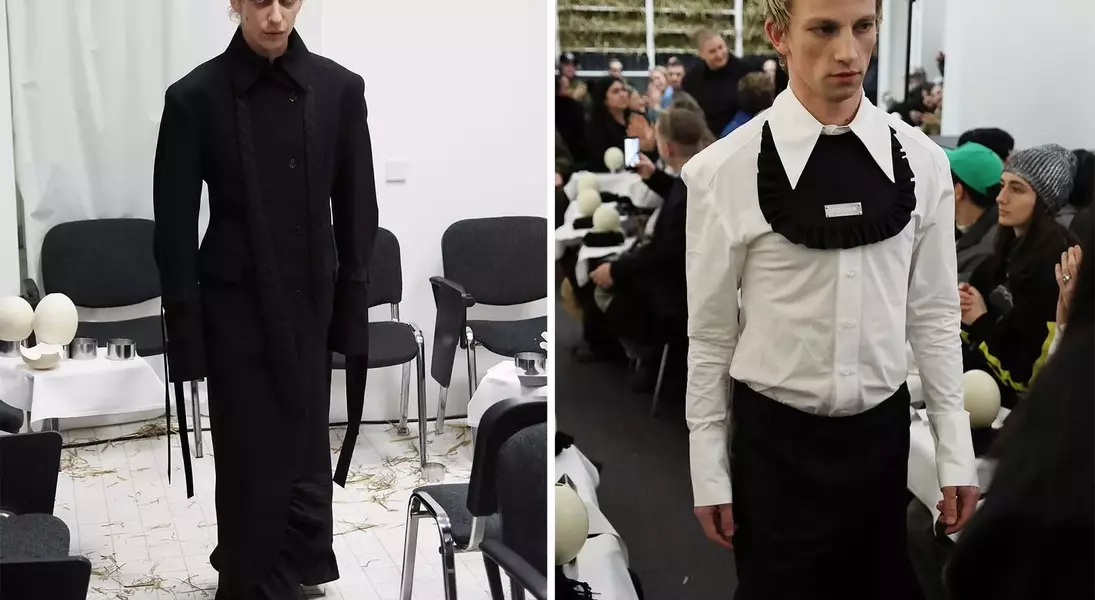
Founded in 2014 by Jale Richert and Michele Beil, Richert Beil distinguishes itself with a conceptual approach to fashion. Renowned for its avant-garde collections and bespoke tailoring, the brand envisions its new space as a haven for creativity, insulating it from the commercial pressures often associated with the industry. Beil articulates their desire to create a versatile environment that accommodates both commercial necessities and opportunities for unconventional approaches. Their recently renovated Kreuzberg location, a former century-old pharmacy, has already hosted a runway show and is designed with an open-plan layout, blending retail with production areas, organized by color. The founders intend to utilize the space for intimate dinners, workshops, and exclusive previews, transforming it into a salon-like experience that blurs the lines between work and life.
Strategic Locations and Curated Retail Experiences
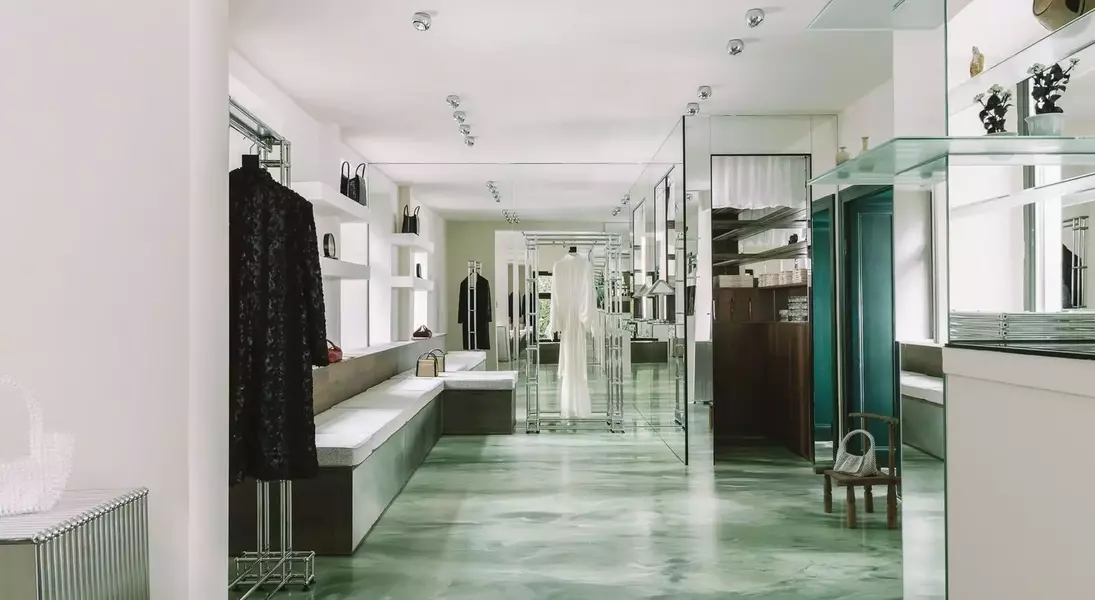
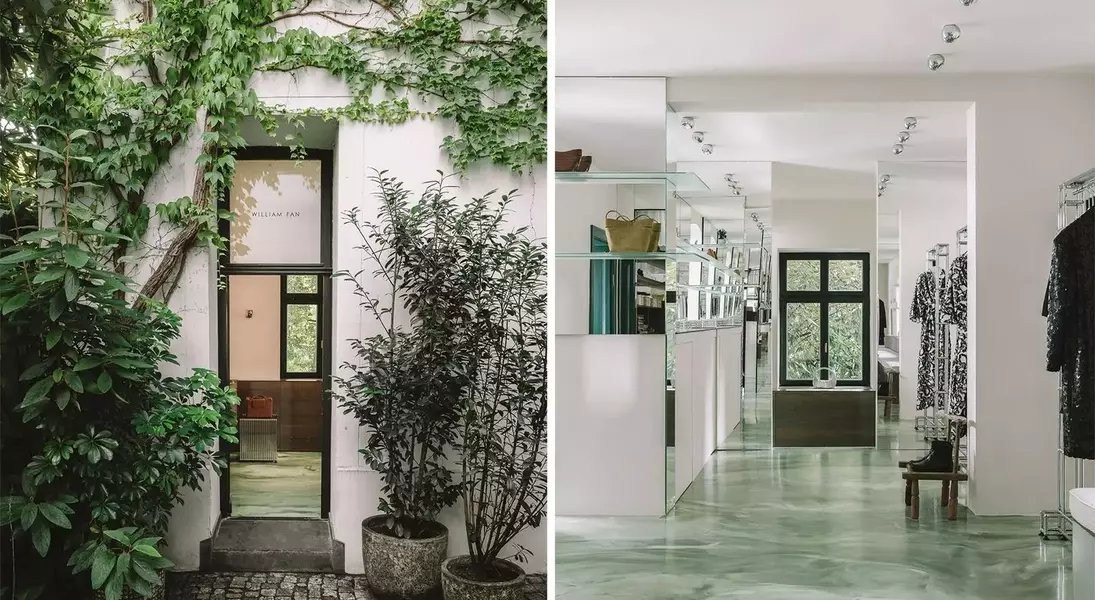
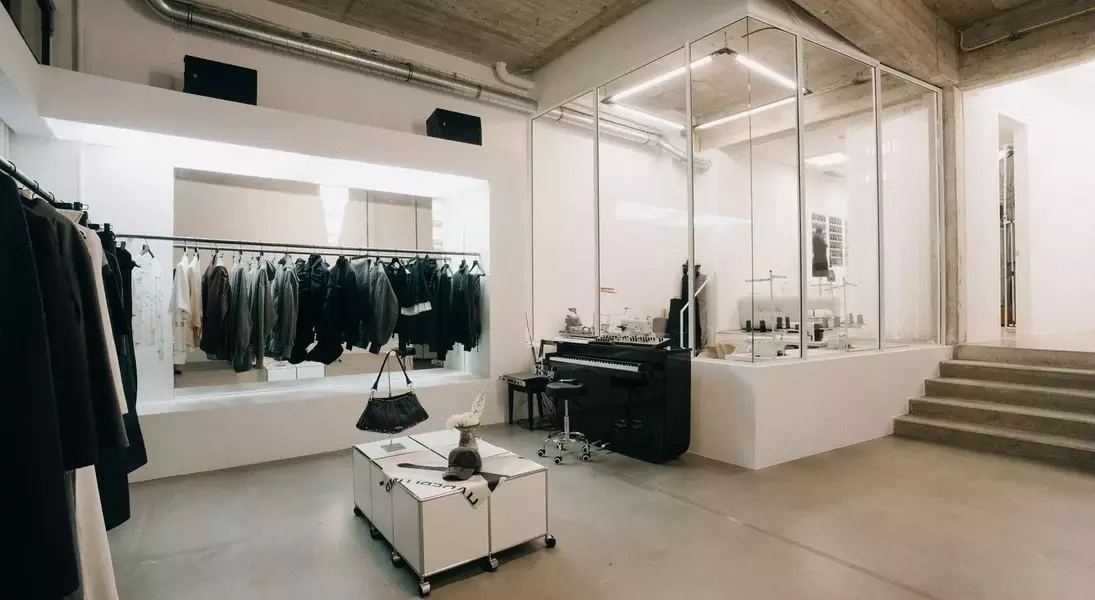
The geographical placement of these new stores plays a vital role in their success. Haderlump's shop on Beusselstrasse, near Checkpoint Charlie, features dark clothing rails and a glass-walled room where Ehrhardt works on sewing machines. This transparent setup allows customers to observe the production process, fostering spontaneous conversations and excitement. Richert Beil's repurposed pharmacy embodies a deliberate fusion of retail and creative space, aiming to cultivate a salon atmosphere. William Fan's boutique, nestled on Mitte's gallery street, reflects his passion for interior design, showcasing chrome-plated steel furniture, jade floors, and textured glass. Its proximity to art galleries attracts a clientele of owners, artists, and collectors who frequently refer new customers. Fan notes that 60% of his 2025 customers were new, with some traveling from as far as the Middle East, Asia, and South America, some even arriving by private jet from New York, highlighting the strong appeal of his personalized service.
Beyond Sales: Human Connection and Future Expansion
For all three brands, the physical store serves as a crucial tool for building relationships, extending beyond mere sales transactions. Beil emphasizes the importance of connecting with customers who wear their designs and offering bespoke services. Richert Beil plans to host community events and collaborate with local artisans on smaller luxury items. Similarly, William Fan cultivates an intimate service model, offering drinks and styling sessions that can last for hours. He believes in the power of human connection, noting that customers are eager for a personal touch that online shopping cannot replicate. Fan explores new markets through pop-ups and events, envisioning future stores with client advisors to foster local relationships. Haderlump, too, aims to create a creative hub, with plans for monthly events and collaborations. Despite the challenges of balancing production and hospitality without dedicated retail staff, these brands are committed to offering an enhanced, community-driven retail experience in Berlin's evolving fashion landscape.
