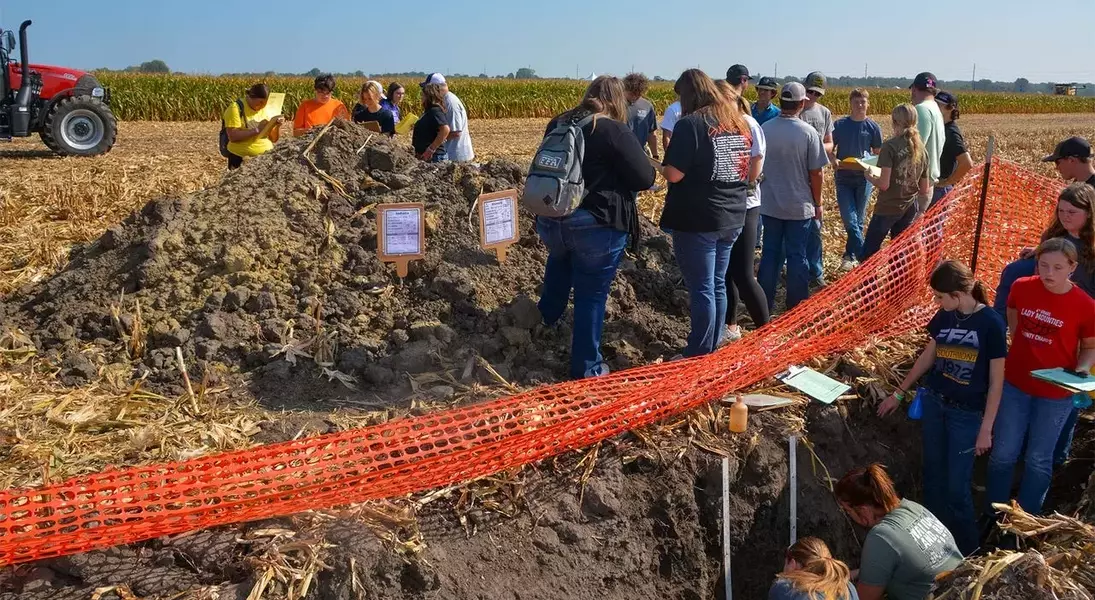
The upcoming Farm Progress Show in 2025 will continue a cherished tradition by hosting a soils judging competition for FFA members from Illinois and Indiana. This event, which has roots dating back to the inaugural show in 1953, serves as a vital educational platform, allowing future agricultural leaders to hone their understanding of soil science. Importantly, this year's competition will offer significant financial incentives, supported by generous contributions from Farm Credit of Illinois and Farm Credit of Mid-America, distinguishing it as a unique opportunity for young participants.
Details of the Soils Judging Contest at Farm Progress Show
On a bright Tuesday, August 26, 2025, the Farm Progress Show in Decatur, Illinois, will become the vibrant stage for an anticipated soils judging contest. This event marks the initial competitive foray for many FFA members across Illinois and Indiana in the new season. Thanks to the invaluable support of Farm Credit of Illinois and Farm Credit of Mid-America, this contest stands out as the sole invitational soils judging event that provides monetary awards. Participating teams will first gather at the Farm Credit exhibit within the showgrounds, engaging with sponsors and capturing memorable photographs before proceeding to the actual competition site on the exhibition grounds.
The competition is thoughtfully structured, pitting teams from Indiana against their in-state rivals, and similarly for Illinois teams. A total of $1,000 is allocated for each state's contest, with prizes distributed as follows: the first-place team will receive $250, second place will earn $150, and the third-place team will be awarded $100. Both the winning teams and their respective schools will be recognized for their achievements.
The location for the contest is uniquely significant. Central Illinois is renowned for its deep prairie soils, which are abundantly present on the Farm Progress Show site. However, the eastern part of the show's land transitions into timber soils, closely resembling those found in Indiana. This diverse geological makeup offers a comprehensive learning experience, exposing students to varied soil types. The specific sites for the practice pit and the four official competition pits are carefully chosen by contest official Gary Steinhardt, a Purdue Extension soil scientist, and show host David Brix. Mr. Brix also plays a crucial role by providing the necessary equipment and personnel to prepare these pits. A special commendation is extended to Jeff Smith, a retired advertising specialist from Farm Progress and a long-standing advocate for the soils judging contest, for his significant assistance in preparing the pits for the competition day. Furthermore, the Farm Progress Show's soils judging contest is pivotal in introducing modern soils judging standards for Illinois students, progressively integrating methodologies akin to those utilized in Indiana. This updated format has been widely adopted across most soils judging events in Illinois, setting a new benchmark. The success of the contest also heavily relies on the dedicated efforts of Dennis Bowman and his volunteer team from the University of Illinois Extension, who manage the on-site operations on the opening day of the show.
Cultivating Future Agronomists: A Vision for Agricultural Education
This annual soils judging contest at the Farm Progress Show does more than just foster competition; it cultivates the next generation of agricultural professionals. By providing hands-on experience and financial recognition, the event underscores the critical importance of understanding our planet's foundational resource—soil. It instills in young minds a profound appreciation for agronomy and sustainable land management. Such initiatives are crucial for empowering future farmers and scientists with the knowledge and skills necessary to address global food security challenges and promote environmental stewardship. The dedication of sponsors and organizers ensures that this tradition of educational excellence in agriculture will continue to thrive, enriching communities and strengthening the agricultural sector for years to come.
