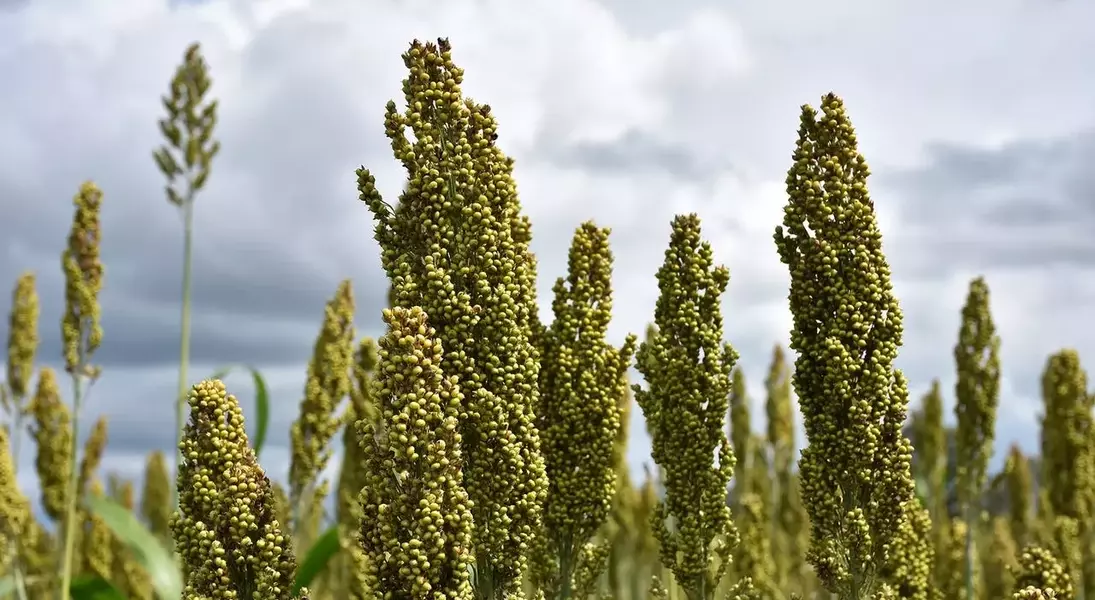
Brazil is rapidly asserting its dominance in the global agricultural landscape, particularly in sorghum cultivation and trade. Over the past ten years, the nation has experienced a remarkable 380% surge in sorghum production, with projections indicating a robust 5 million metric tons for the 2025-26 marketing year. This impressive growth positions Brazil as a formidable competitor to established grain exporters, including the United States. The shift is attributed to evolving perceptions of sorghum's benefits, its resilience in various climatic conditions, and strategic trade agreements with key importing nations.
For many years, Brazilian agriculturalists held a skeptical view of sorghum, largely due to concerns that its extensive root network would deplete essential soil nutrients, negatively impacting subsequent harvests like soybeans. However, this perspective has undergone a significant transformation. Contemporary research and on-field experience have increasingly highlighted sorghum's positive contributions to soil health. This newfound understanding has not only altered local cultivation practices but has also unlocked fresh commercial avenues for the crop.
The increasing appeal of sorghum among Brazilian farmers stems from its versatility, growing market liquidity, and the financial advantages it offers. Its adaptability to diverse climates and remarkable resistance to water stress make it an ideal choice for a second harvest, especially when primary crops like corn or soybeans face suboptimal planting windows. Sorghum's fibrous root system efficiently minimizes water loss, a trait particularly valuable in drought-prone regions. This characteristic positions it favorably against more water-intensive grains such as corn and wheat. Moreover, sorghum's compatibility in rotation with crops like soybeans, cotton, and corn, coupled with its ability to thrive in sandy or less fertile, acidic soils, further enhances its value to Brazilian producers.
In the 2024-25 agricultural cycle, Brazil cultivated approximately 1.5 million hectares (about 3.7 million acres) of sorghum, marking a 6.5% increase from the previous year. The National Supply Company (CONAB) forecasts a 12% rise in the 2024-25 yield, reaching around 5 million tons. This exponential growth trajectory, leaping from 1 million metric tons in 2015-16 to the current estimate, underscores sorghum's rapid ascendancy as one of Brazil's fastest-growing grains. While historical sorghum exports from Brazil have been modest, primarily catering to the domestic livestock and poultry industries, this trend is poised for change.
The global sorghum market has seen considerable shifts, notably influenced by trade dynamics between the United States and China. Historically, the U.S. was a dominant sorghum exporter, with China being a major buyer, particularly when sorghum served as an alternative to corn during periods of high ethanol-driven prices. However, U.S. sorghum exports experienced volatility, especially with the imposition of tariffs by the Trump administration. Brazilian agricultural authorities have now capitalized on this evolving landscape, recently securing an agreement to export sorghum to China. This strategic move could significantly elevate Brazil's standing in the international sorghum trade. With substantial investments in infrastructure and the continuous development of new, high-yield grain varieties, Brazil is well-equipped to expand its footprint in the global market, further cementing its role as a key agricultural exporter.
