










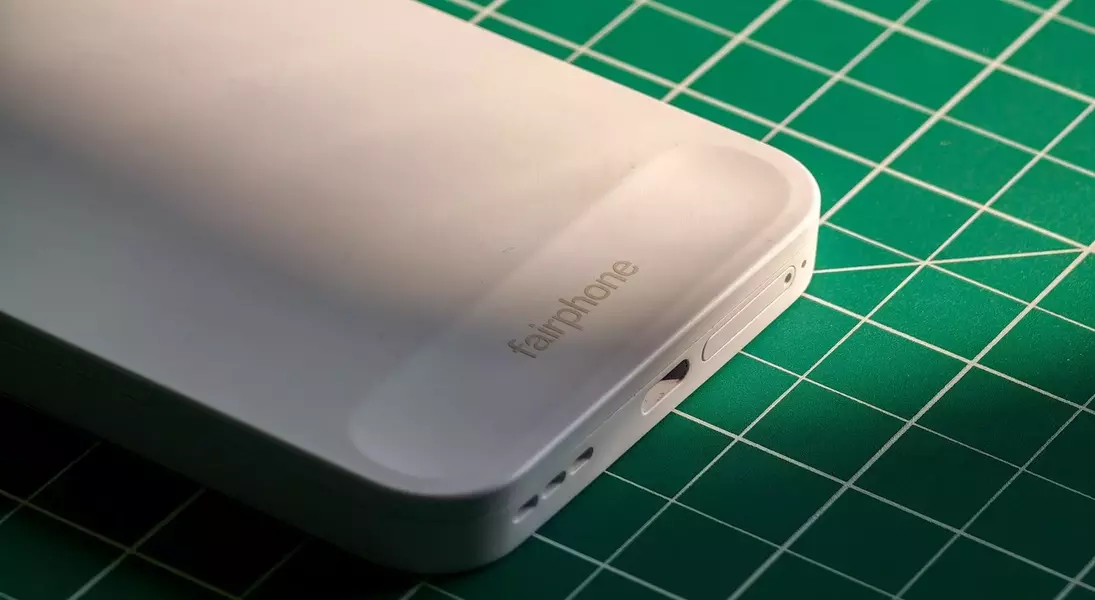
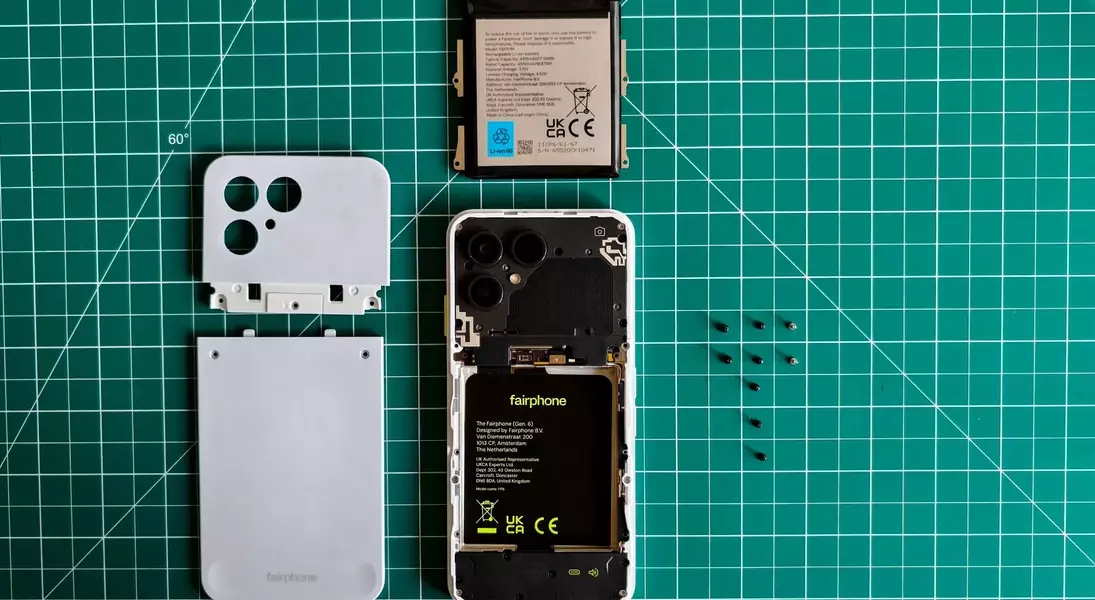
The Fairphone 6 marks a significant stride in the realm of sustainable and repairable smartphones. Unlike its predecessors, this latest iteration aims to bridge the gap between ethical production and user experience, making it a more viable option for a broader audience, particularly in the European market. Its continued emphasis on longevity, long-term software support, and the use of responsibly sourced materials sets it apart in a consumer landscape often driven by rapid upgrade cycles. Despite these advancements, certain compromises remain, especially concerning its pricing and software offerings in the American market.
Fairphone 6: Detailed Overview and Market Impact
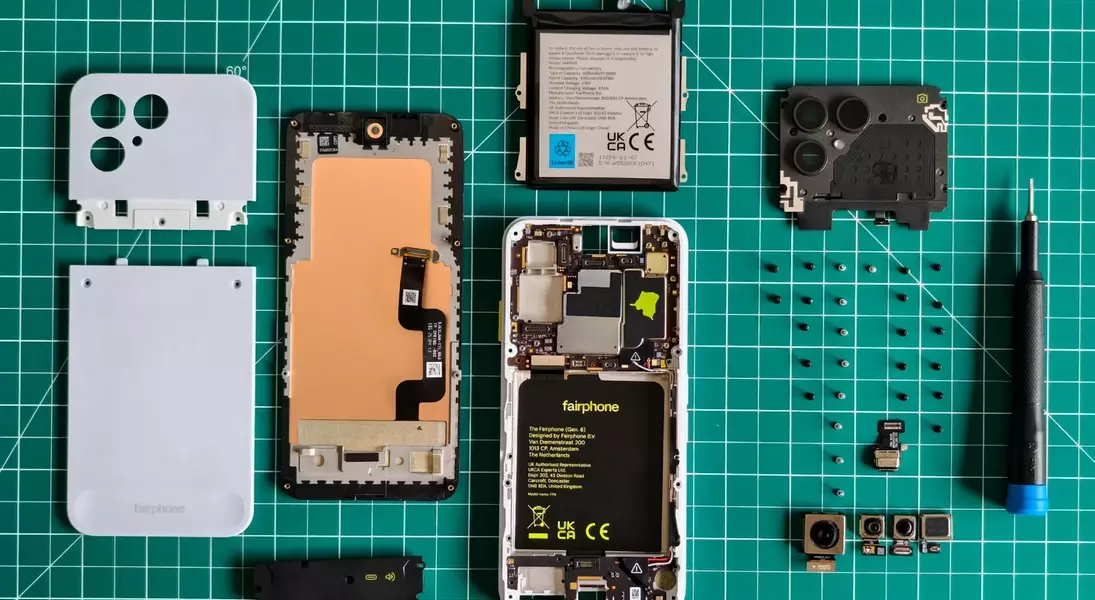
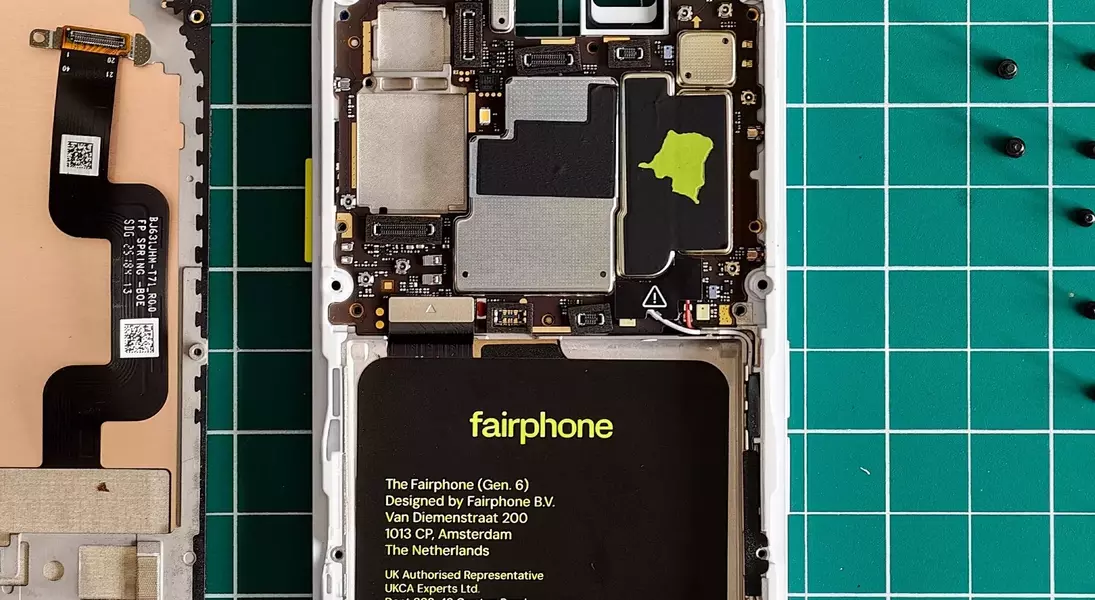
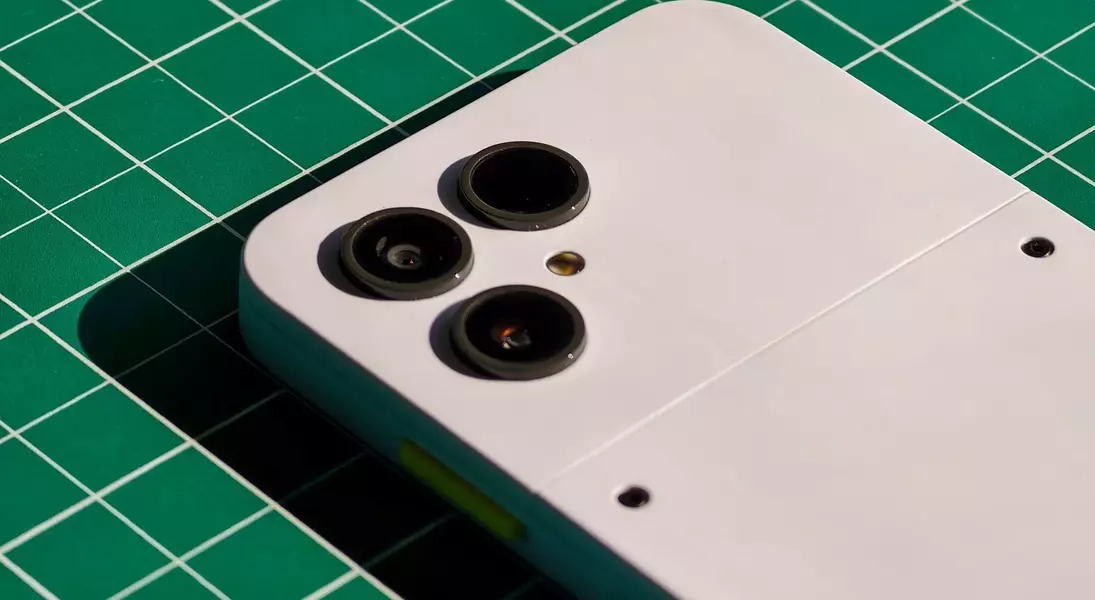
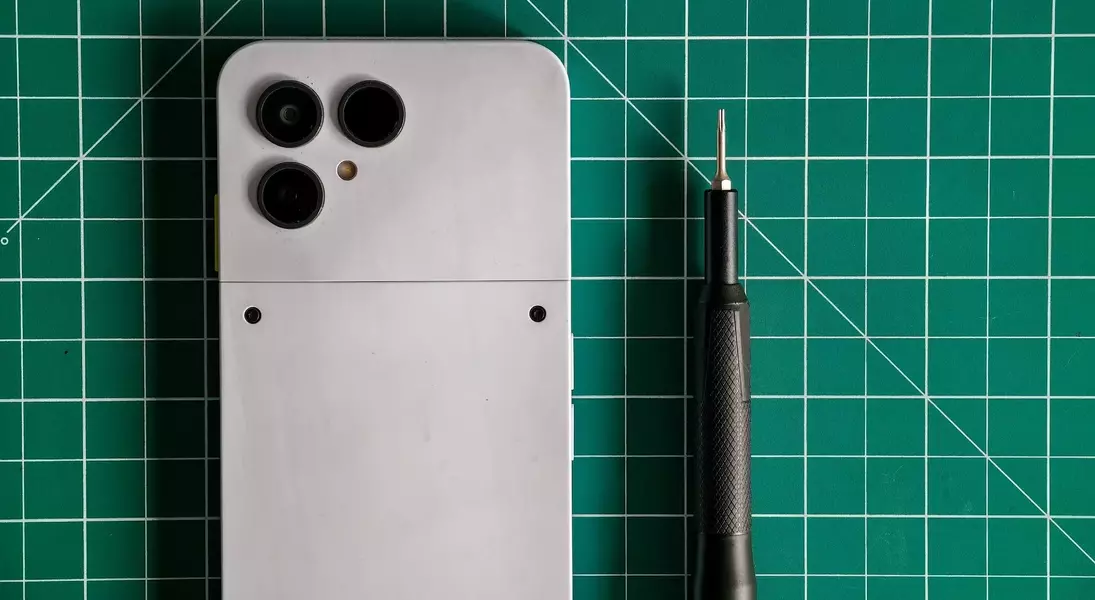
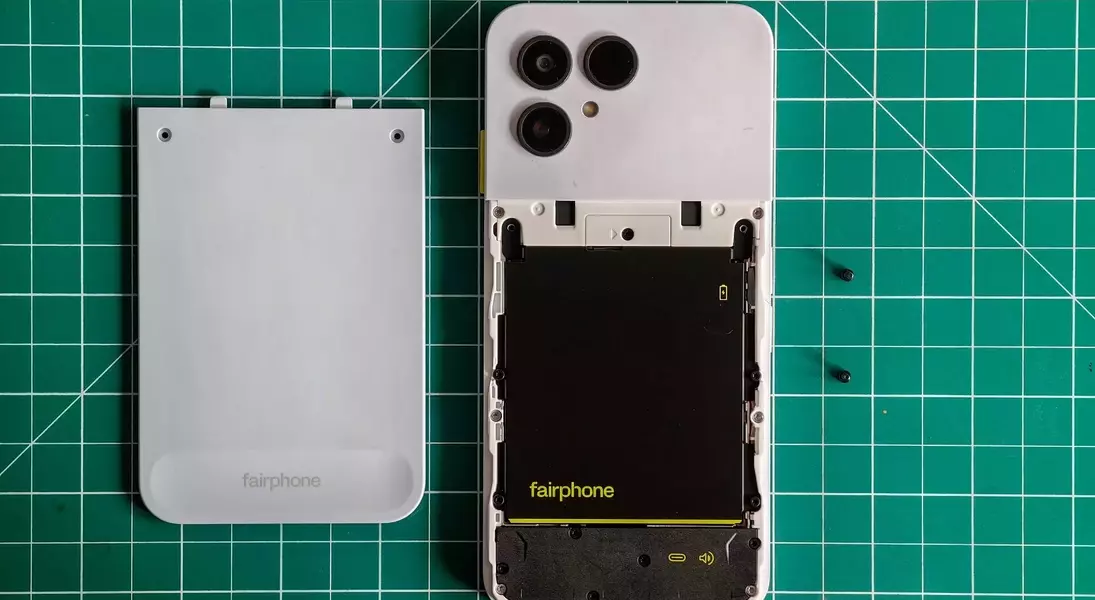
Unveiled in the autumn of 2025, the Fairphone 6 has been meticulously designed for ease of repair, solidifying its position as a champion of circular economy principles in the tech industry. This commitment is evident in its readily replaceable components, such as the battery, screen, camera modules, and even the USB-C port, all requiring just a single Torx T5 screwdriver for disassembly. This user-friendly repair system ensures that individuals can effortlessly replace parts, extending the device's lifespan and reducing electronic waste. The company also backs its product with an impressive five-year warranty, demonstrating confidence in its robust construction and repair philosophy.
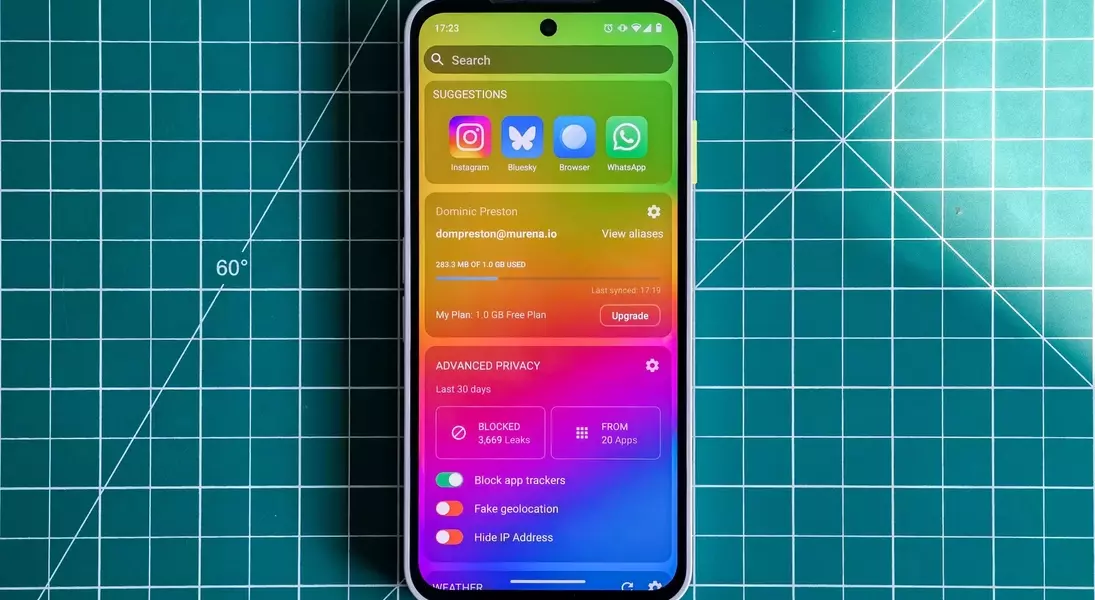
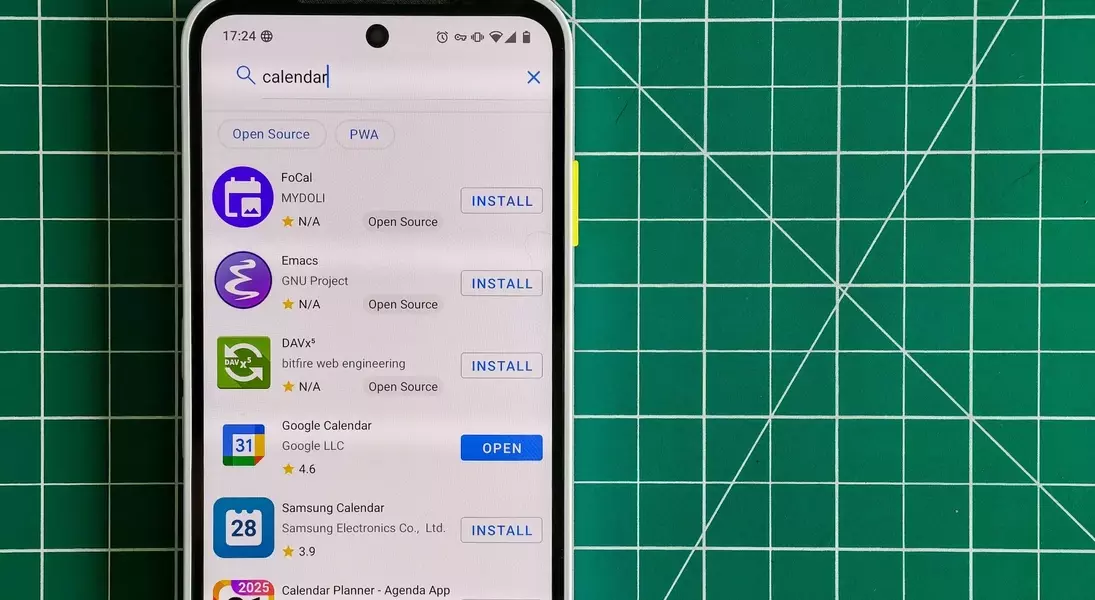
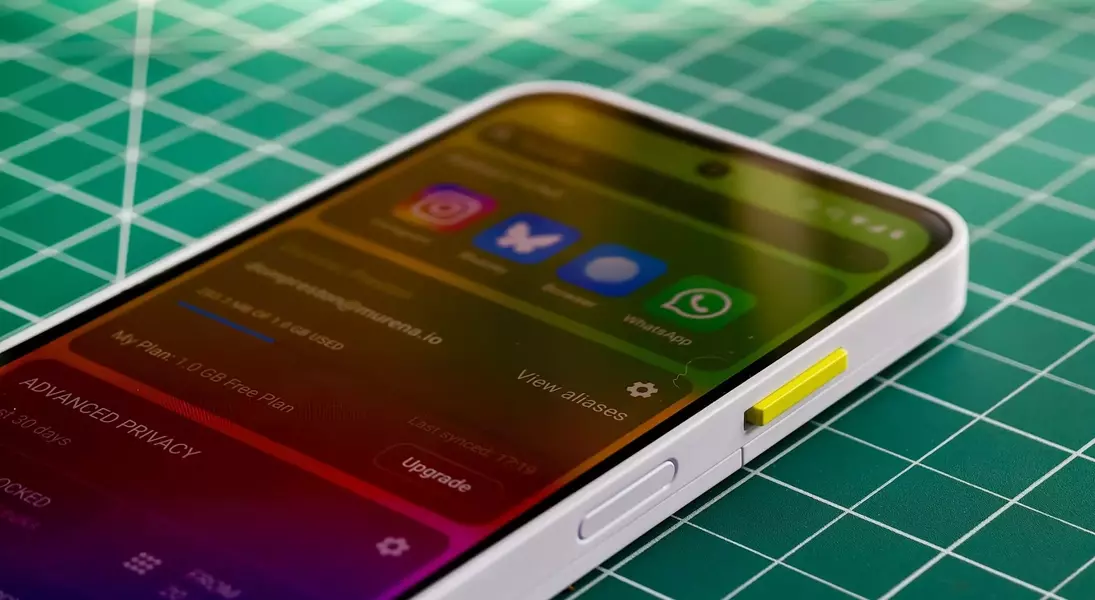
In the vibrant tech markets of the United Kingdom and Europe, the Fairphone 6 is available for approximately €599 / £499. This pricing positions it as a competitive choice against other mid-range smartphones, offering a balanced blend of features and ethical considerations. Consumers in these regions can opt for a version running Fairphone's own Android-based operating system, which closely mirrors a stock Android experience, or choose the /e/OS variant, a privacy-focused, Google-free alternative developed by Murena. The /e/OS prioritizes user privacy by offering tools to block tracking cookies, mask geolocation data, and hide IP addresses, alongside an open-source app store that evaluates applications based on their privacy footprint.
However, the narrative shifts dramatically for consumers in the United States. Here, the Fairphone 6 is exclusively sold through Murena, and only the /e/OS version is available at a significantly higher price point of $899. This substantial price increase, attributed by Murena founder and CEO Gaël Duval to import tariffs, places the Fairphone 6 in direct competition with premium flagship devices like the Google Pixel 10 or the Apple iPhone 16. This makes it a considerably harder sell for the average American consumer, appealing primarily to a niche market of privacy-conscious individuals and those deeply committed to ethical consumption.
From a hardware perspective, the Fairphone 6 is a more refined device than its predecessor, the Fairphone 5. It boasts a more compact and lightweight design, coupled with a brighter and smoother 6.31-inch display with a 120Hz refresh rate. Powering the device is the Qualcomm Snapdragon 7s Gen 3 chipset, which, while not a top-tier processor, delivers sufficient performance for most daily tasks and light gaming, supported by 8GB of RAM. The 4,415mAh battery offers more than a full day's usage, though its 30W wired charging speed is modest by current industry standards, and wireless charging remains absent.
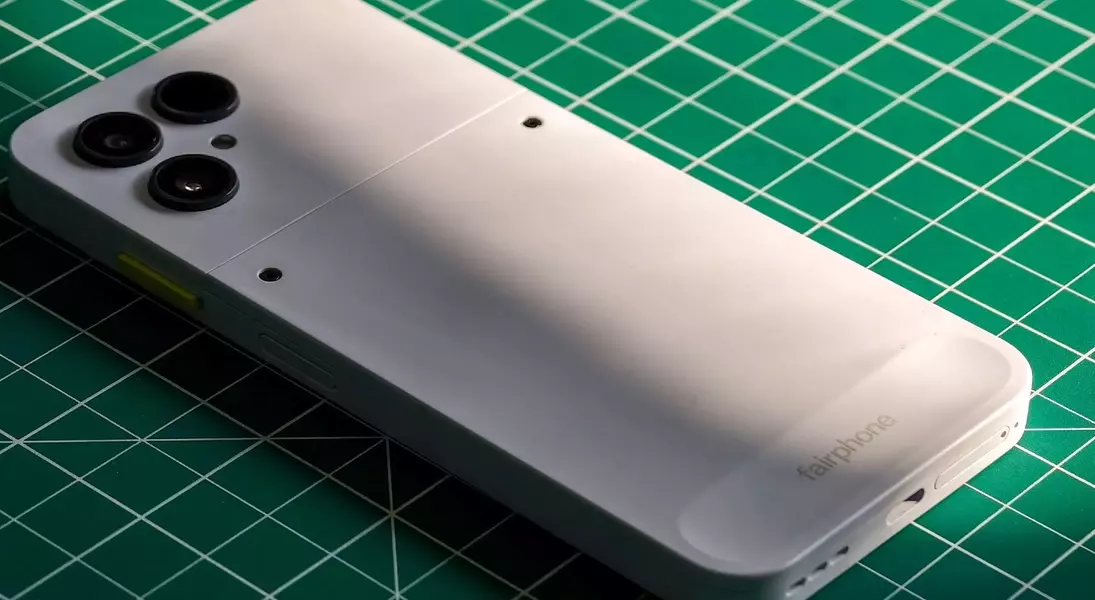
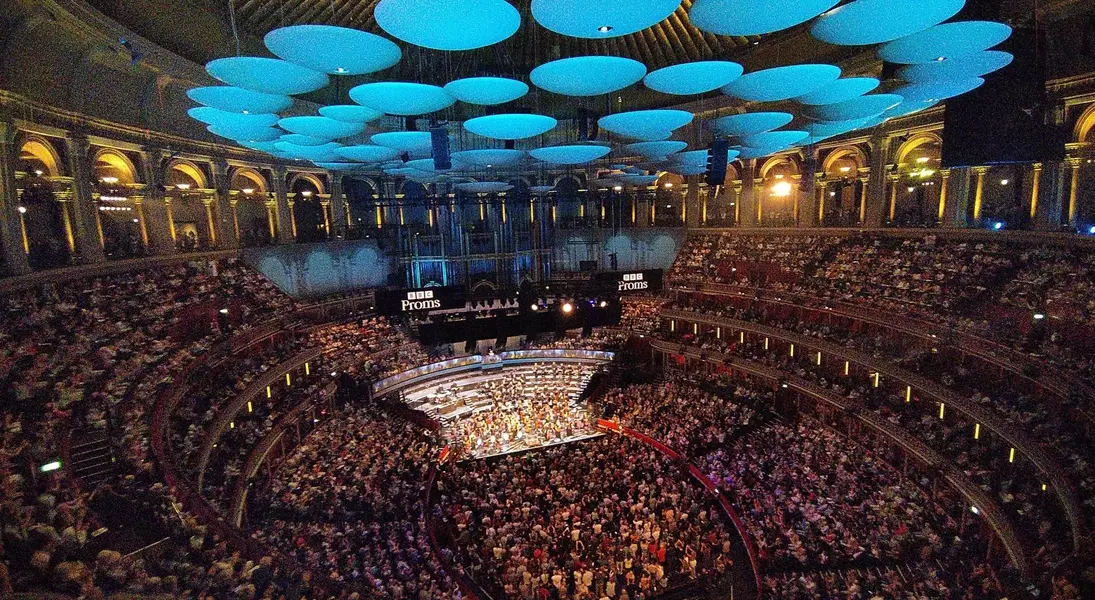
The camera system, comprising a 50-megapixel main lens and a 13-megapixel ultrawide, performs adequately for basic photography needs. While it occasionally surprises with impressive shots, it tends to struggle in challenging conditions such as low light, complex lighting, or with fast-moving subjects. For users whose primary consideration is camera performance, there are more capable alternatives available at similar or lower price points. Additionally, the Fairphone 6 introduces semi-modular accessories, including a lanyard, card holder, and loop grip, which securely attach to the phone's rear, hinting at future expandability and customization options.
Despite its commendable repairability, the Fairphone 6 has an IP55 rating for dust and water protection, which is acceptable but not outstanding. This is a trade-off for its modular design, as screws, unlike adhesives, are inherently less watertight. This means there's a slightly elevated risk of water or dust damage compared to more sealed, less repairable smartphones. The ethical footprint of Fairphone is a cornerstone of its brand identity, with the company striving to use as much recycled material as possible and ensuring fair working conditions throughout its supply chain, from raw material extraction to final assembly.
Reflections on the Fairphone 6 and the Future of Consumer Electronics
The Fairphone 6 embodies a powerful message about the potential for change within the consumer electronics industry. In a world accustomed to planned obsolescence and rapid consumption, Fairphone stands as a beacon for sustainability and consumer empowerment. Its enhanced repairability is not merely a feature but a philosophy, encouraging users to take ownership of their devices and actively participate in extending their lifespan. This model directly challenges the prevailing throwaway culture, offering a tangible alternative that benefits both the consumer and the planet.
However, the stark price disparity between the European and American markets for the Fairphone 6 highlights a critical challenge: the global inconsistencies in promoting and adopting sustainable tech. While it can be easily recommended in Europe as a robust and ethical mid-range option, its elevated cost in the US transforms it into a niche product, accessible only to those willing to pay a premium for its specific values. This geographical divide underscores the need for broader policy changes and greater market incentives to make ethical and repairable electronics more universally accessible. Perhaps with increased awareness and demand, combined with more favorable trade policies, the Fairphone 6, or its successors, could truly become a globally competitive and widely adopted sustainable smartphone, proving that high performance and ethical production can indeed coexist without significant compromise.
