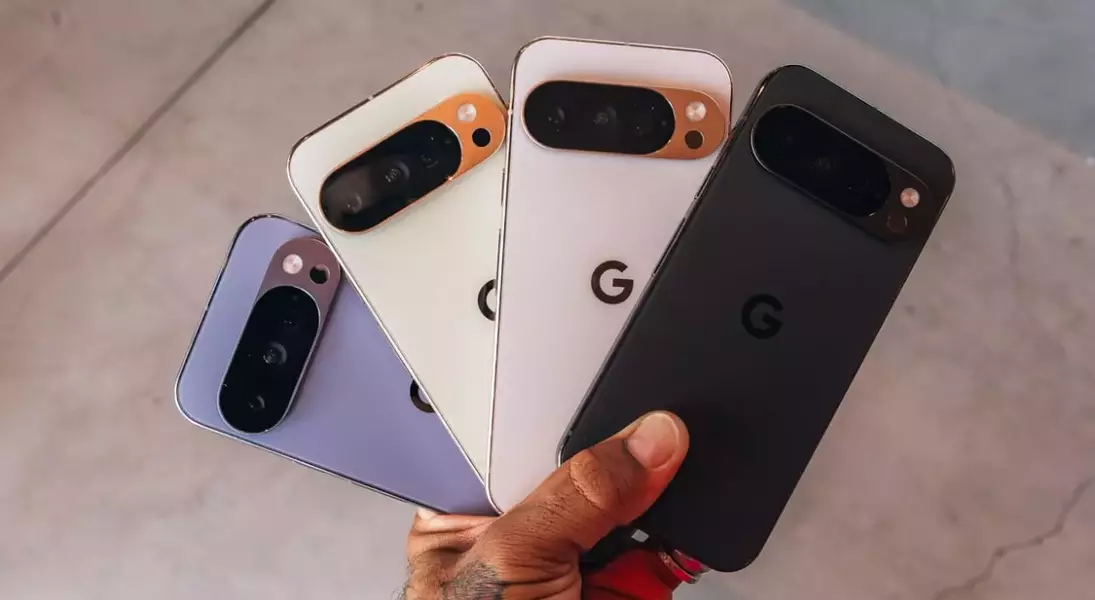
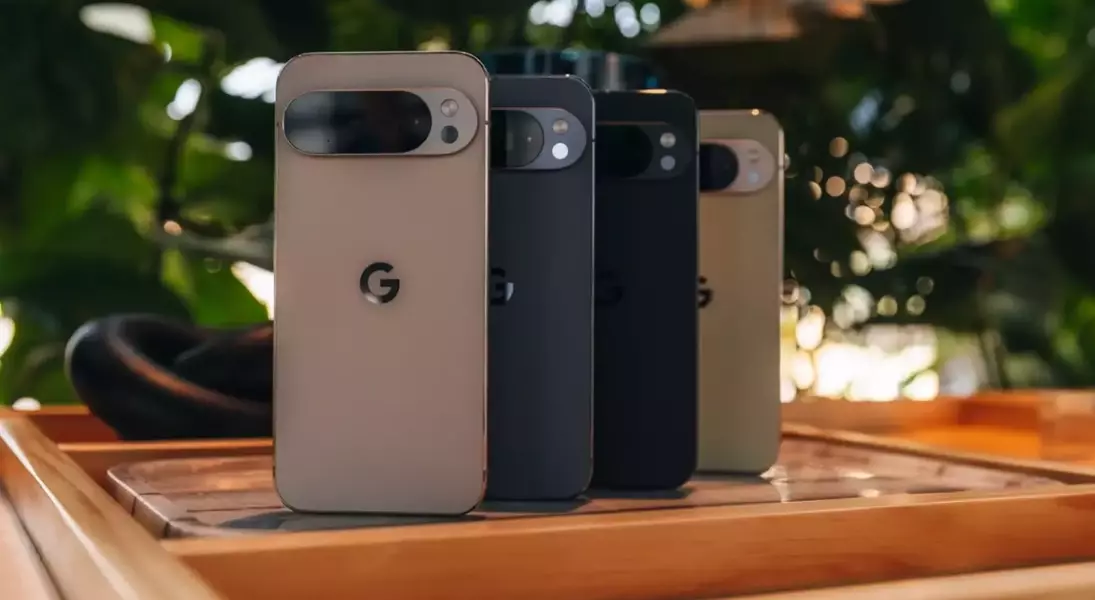

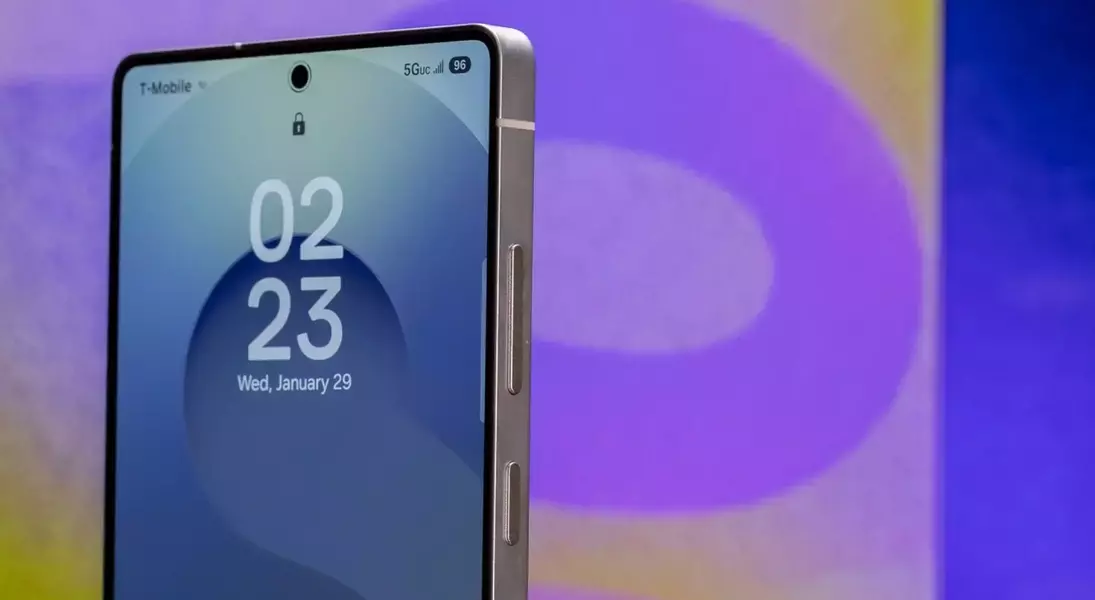

When considering an upgrade in the high-end Android smartphone market, two prominent contenders emerge: the recently unveiled Google Pixel 10 Pro and the well-regarded Samsung Galaxy S25 Ultra. Each device brings its own set of advantages to the table, catering to different user preferences, with distinctions spanning across their cost, aesthetic presentation, internal hardware, and advanced software functionalities.
A notable disparity between these two flagship devices lies in their pricing and core specifications. The Google Pixel 10 Pro is positioned as a more accessible option, beginning at a lower price point compared to the Samsung Galaxy S25 Ultra. This cost difference is often reflected in their hardware, as the S25 Ultra features a larger, higher-resolution display and a more substantial battery, aligning it more closely with Google's larger Pixel 10 Pro XL variant. Furthermore, while both phones represent the current trend of integrating artificial intelligence, the Pixel 10 Pro leverages Google's advanced AI ecosystem, including Gemini, to offer unique features such as real-time language translation during calls and sophisticated AI photo editing capabilities. In contrast, the Galaxy S25 Ultra distinguishes itself with the inclusion of the S Pen stylus, offering a productivity advantage for those who utilize such tools.
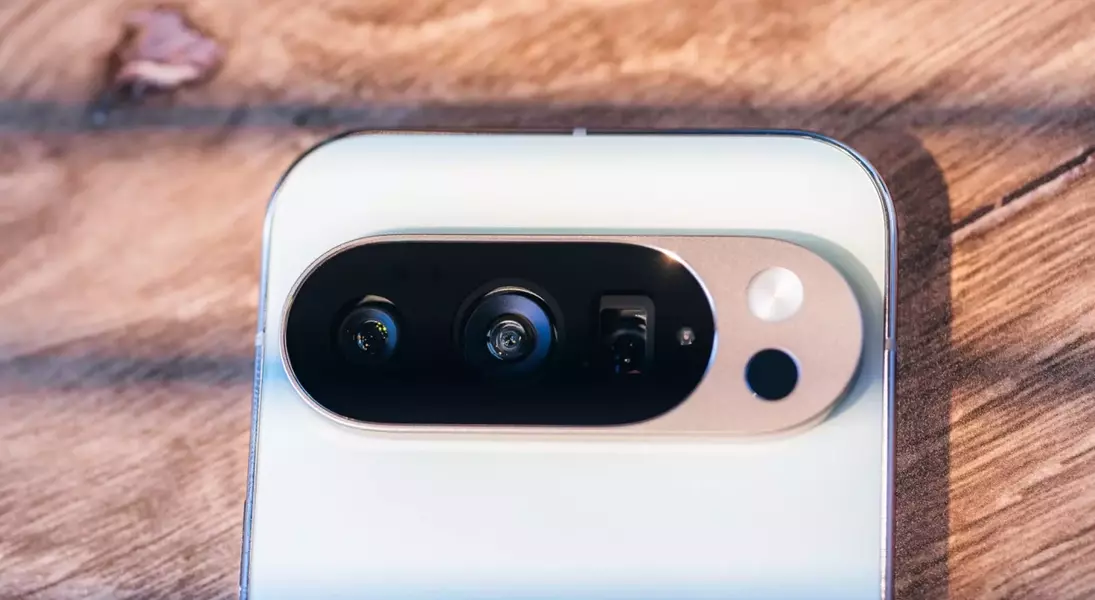
Beyond the internal components, the design philosophy and camera prowess also set these devices apart. Neither phone radically reinvents smartphone aesthetics, yet they each possess distinct design signatures. Samsung's S25 Ultra showcases a cleaner rear camera module design and a wider palette of color choices. Conversely, the Pixel 10 Pro maintains its characteristic horizontal camera bar. In terms of photography, both manufacturers claim superior camera performance, with the S25 Ultra featuring a significantly higher megapixel count on its main lens. However, the Pixel 10 Pro aims to bridge this gap through advanced AI-driven features like enhanced zoom, superior low-light performance, and improved video stabilization, alongside a higher-resolution front camera, suggesting that ultimately, both devices are capable of delivering high-quality imaging results for everyday use.
In the vibrant and ever-evolving landscape of mobile technology, the competition between leading manufacturers like Google and Samsung continuously pushes the boundaries of innovation. This rivalry benefits consumers by fostering a diverse market where various needs and preferences are met through unique features and competitive pricing. It highlights that progress is not solely about raw power or resolution, but also about thoughtful integration of AI, user experience, and practical functionalities that enhance daily life. Choosing between such advanced devices becomes a reflection of individual priorities, reminding us that true value lies in how technology empowers and enriches our personal journeys, fostering a future where smart tools are seamlessly integrated into our aspirations and endeavors.
