
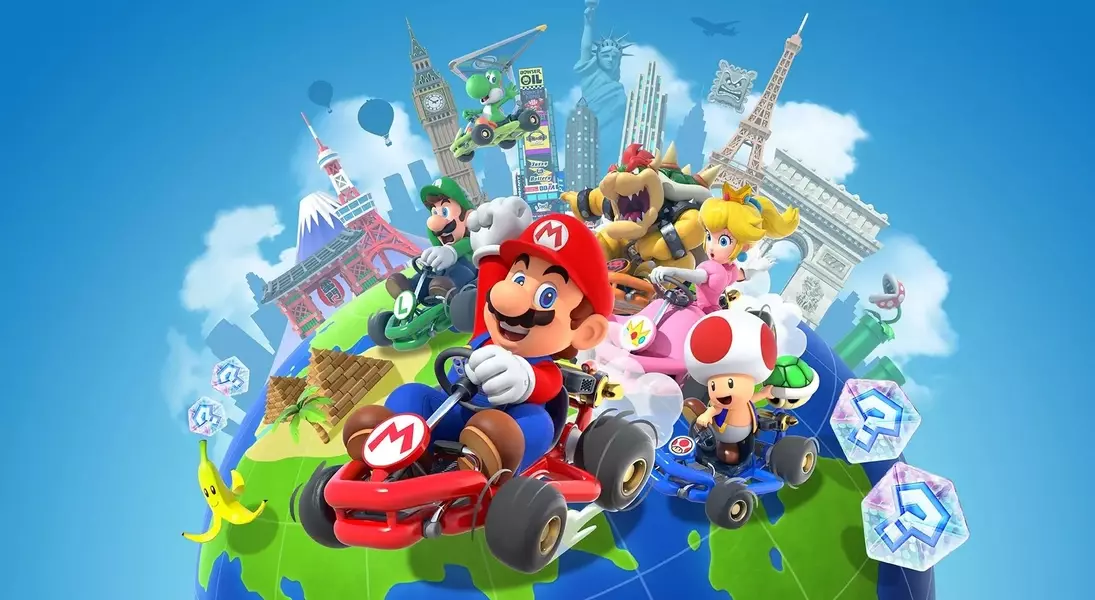
Nintendo's highly popular *Mario Kart* franchise boasts a rich history, with many of its classic entries accessible on modern platforms. However, the impending discontinuation of *Mario Kart Tour*, a mobile-exclusive installment, casts a shadow over this accessibility. This event underscores a broader challenge within the gaming industry: the preservation of digital-only and live-service titles. While Nintendo has historically been adept at re-marketing its classic games, the ephemeral nature of mobile gaming, particularly free-to-play live-service models, presents a unique dilemma. The unceremonious removal of *Mario Kart Tour* from active play highlights the fragility of digital content and raises important questions about the long-term availability of games that lack a physical presence or robust offline functionality. This situation invites reflection on the responsibility of developers and platforms in ensuring that gaming history remains accessible to future generations, rather than vanishing with server shutdowns.
This scenario also brings to light Nintendo's complex relationship with mobile gaming. Despite venturing into the mobile market with titles like *Mario Kart Tour* and *Animal Crossing: Pocket Camp*, the company appears to have approached this segment with a degree of caution and perhaps even reluctance. The contrast between Nintendo's efforts to preserve and re-release its console classics and its willingness to let mobile-only titles like *Tour* become unplayable is striking. While the company has, on occasion, made commendable efforts to extend the life of some mobile games, such as offering a paid version of *Animal Crossing: Pocket Camp* for continued play, this courtesy is not extended to *Mario Kart Tour*. This inconsistency suggests an evolving strategy within Nintendo regarding its digital offerings, particularly those reliant on ongoing online services. The closure of *Tour* serves as a stark reminder that even titles from established franchises are vulnerable to obsolescence in the fast-paced, ever-changing landscape of mobile gaming.
The Digital Disappearance of Mario Kart Tour
The mobile-exclusive *Mario Kart Tour* is slated for permanent removal from active play on September 29, marking a significant moment in the franchise's history. Unlike its console counterparts, which often find new life through re-releases or backward compatibility, *Tour*'s online-only nature means its discontinuation will render it entirely unplayable. This event highlights the precarious future of many digital-only titles, especially within the free-to-play live-service model prevalent in mobile gaming. While *Mario Kart Tour* may not be a fan-favorite for many, its removal represents a loss of a unique entry in a beloved series, challenging the notion of permanence typically associated with Nintendo's intellectual properties. The cessation of *Tour* underscores the broader issue of game preservation in a digital age, where the longevity of a title is often tied to the continued operation of its online infrastructure.
The impending shutdown of *Mario Kart Tour* on September 29 marks a poignant moment for the game's community and the broader discussion of video game preservation. As a mobile-only, live-service title, *Tour*'s reliance on online servers means that its discontinuation will effectively erase it from the playable landscape. This contrasts sharply with the enduring availability of other *Mario Kart* games, many of which are readily playable on the Nintendo Switch through its Classics catalog or as modern releases. The inability to preserve *Tour* in a similar manner, such as through an offline mode or a paid, self-contained version, raises important questions about the accessibility of gaming history. While the free-to-play mobile market is notorious for its transient nature, a *Mario Kart* title, even one with a mixed reception, carries a certain cultural weight. Its complete disappearance serves as a stark reminder of the challenges faced by game archivists and highlights the need for more robust strategies to ensure the long-term survival of digital games.
Nintendo's Shifting Stance on Digital Preservation
Nintendo, a company renowned for meticulously curating and re-marketing its extensive back catalog, appears to navigate the realm of mobile and live-service games with a different philosophy. While console classics like *Super Mario Kart* and *Mario Kart 64* are readily available on the Switch, the decision to allow *Mario Kart Tour* to become unplayable upon its shutdown reveals a nuanced approach to digital preservation. This stance contrasts with the company's past efforts, such as providing a paid, perpetual version of *Animal Crossing: Pocket Camp* when its live-service model concluded. The differing treatment suggests that Nintendo may view its mobile endeavors as more ephemeral, prioritizing the long-term viability of its core console franchises. This selective preservation strategy prompts reflection on the criteria Nintendo uses to determine which of its digital creations warrant enduring life and which are permitted to fade into obscurity.
Nintendo's approach to the preservation of its digital titles, particularly in the mobile space, presents an interesting dichotomy. On one hand, the company is a champion of its heritage, consistently re-releasing and porting its beloved console games across generations, ensuring their continued accessibility. This commitment is evident in the presence of numerous classic *Mario Kart* titles on the Switch. On the other hand, the impending permanent shutdown of *Mario Kart Tour* without an apparent archival solution signals a more transient view of its mobile-centric, live-service offerings. This divergence is further highlighted by the contrast with *Animal Crossing: Pocket Camp*, where Nintendo facilitated continued play after its live-service phase. The decision not to extend similar efforts to *Mario Kart Tour* suggests a strategic distinction, perhaps reflecting a greater discomfort or lack of long-term vision for certain free-to-play mobile models within the company. This inconsistency raises questions about Nintendo's evolving philosophy on digital content and the future of its mobile ventures, leaving many to ponder what truly constitutes a permanent part of the Nintendo legacy in the digital age.
