This article delves into the recent remake of Assassin's Creed 4: Black Flag, titled Resynced, examining how its departure from the original's present-day narrative impacts the overall experience. It explores the strengths of the core pirate adventure while critically assessing the absence of the satirical elements provided by the Abstergo storyline, drawing parallels between the in-game corporation and Ubisoft's own trajectory as a major game developer.
Unraveling the High Seas: Resynced's Voyage Through Nostalgia and Narrative Shifts
Rediscovering a Classic: The Enduring Appeal of Black Flag's Core Gameplay
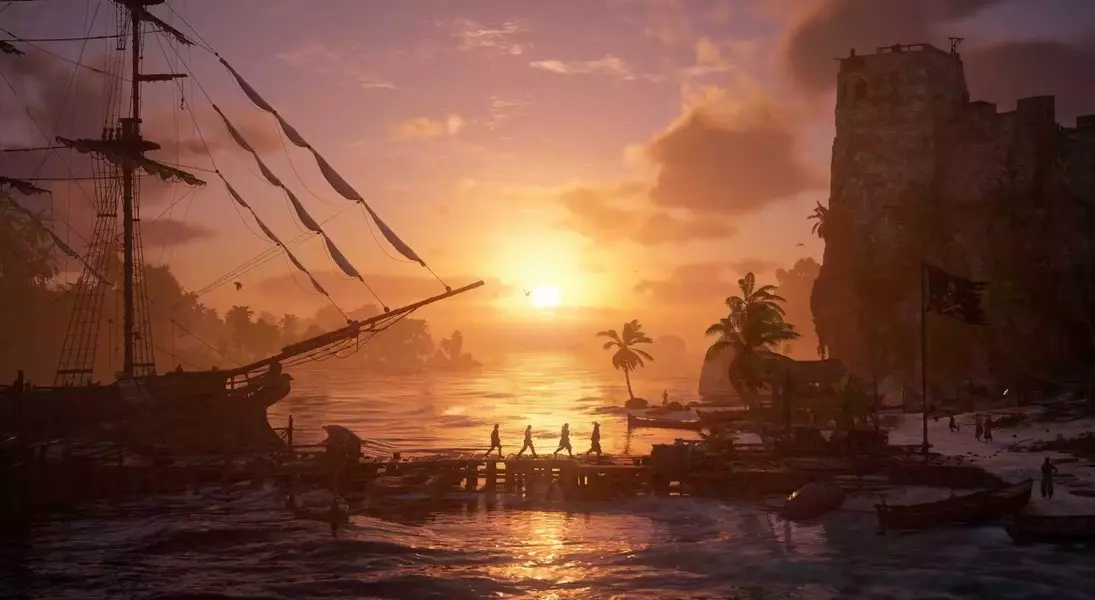
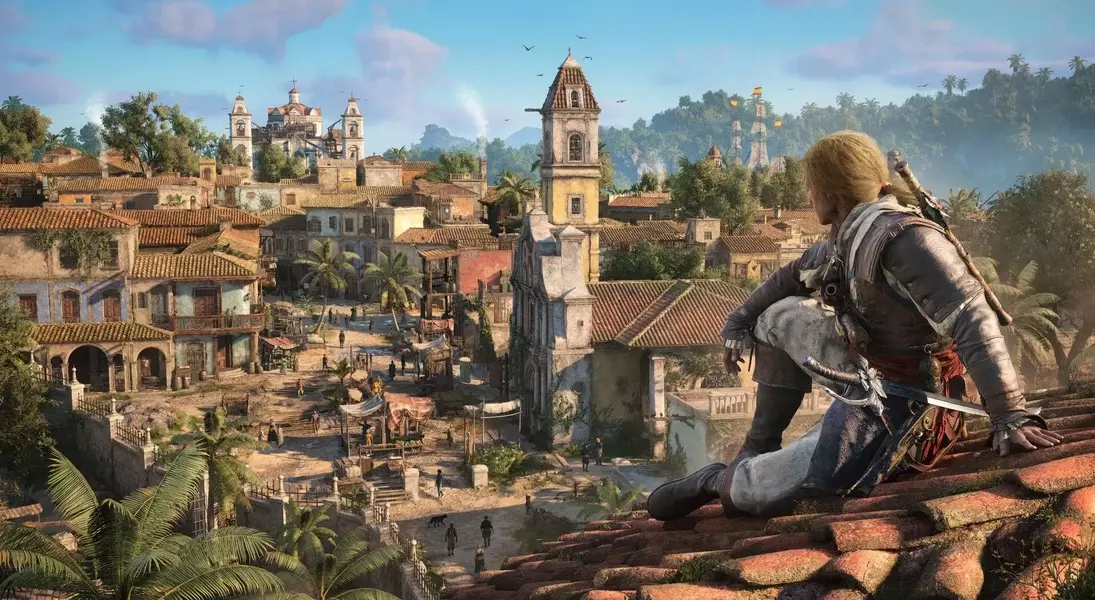
Upon experiencing Assassin's Creed Black Flag Resynced, one is struck by the timeless quality of its pirate-themed open-world mechanics. The game's thrilling naval engagements and the excitement of discovering hidden treasures across various islands continue to captivate, demonstrating why the original 2013 release was, and remains, a highlight in Ubisoft's catalog. The remake largely focuses on enhancing gameplay, solidifying its status as a remarkably well-preserved adventure.
The Absent Narrative Thread: A Modern-Day Conundrum
A notable divergence in Resynced is the complete removal of the contemporary storyline, a science-fiction framework centered around the enigmatic Abstergo Industries. For newcomers to Black Flag, this might initially pass unnoticed. However, veteran players or those who investigate the excised content will find themselves perplexed by this editorial choice. The original narrative's complexity, woven through these modern-day sequences, provided crucial context that now feels conspicuously absent.
Edward Kenway's Standalone Saga: A Pirate's Tale Unadorned
In its current iteration, Resynced presents the journey of Edward Kenway solely within the 18th century. His exploits as a pirate caught in a vast Caribbean conspiracy, involving the Templar Order's pursuit of an ancient observatory, form the entirety of the plot. This adventure, filled with seafaring, assassinations, and the establishment of a pirate stronghold, offers a solid foundation for engaging gameplay. Yet, without the meta-narrative, the story, while enjoyable, lacks a certain depth and distinctive flavor.
The Original's Satirical Edge: Abstergo's Cinematic Deception
The richness missing from Resynced can be found in the original Black Flag's present-day interludes. These segments positioned the player as an employee of Abstergo Entertainment, a corporate entity using the Animus to transform ancestral memories into cinematic blockbusters. This framework allowed the original game to function as a witty satire, casting Edward's swashbuckling adventures as mere fodder for a commercialized, historically inaccurate film production. The irony of this context, where cliché pirate tropes become a commentary on mass entertainment, was a significant part of the game's charm.
The Cost of Omission: Losing Humor and Self-Awareness
By excising these modern-day sequences, Resynced inadvertently sheds much of the original's distinctive humor and self-awareness. The initial game masterfully used Abstergo's corporate lens to lampoon the very process of big-budget game development, with executives suggesting absurd historical alterations for "family-friendly" appeal. Without this layer of meta-commentary, the remake, perhaps ironically, becomes precisely the kind of corporate-approved, unironic crowd-pleaser that the original Black Flag was subtly critiquing.
Ubisoft's Reflection: From Satire to Corporate Reality
The decision to remove the satirical Abstergo layer might reflect Ubisoft's own evolution. The company, much like the fictional megacorporation it once parodied, has expanded into a vast digital empire, continuously generating sequels and broadening its audience reach. The shift from a critique of corporate gaming to embodying that very model, with centralized game launchers and external financial stakes influencing development, highlights an intriguing parallel between the game's narrative evolution and the developer's real-world trajectory.
The Animus Reimagined: A Reward System's Double Meaning
Further demonstrating this shift, the Animus lore in recent Assassin's Creed titles, particularly as seen in Assassin's Creed Shadows, has been recontextualized as an in-game reward mechanism. This transformation of a fictional device, once central to a nuanced narrative of ancestral memory and corporate manipulation, into a system for earning cosmetic upgrades, underscores a direct, perhaps unintended, commentary on contemporary game design and player engagement strategies.
Resynced's Enduring Core: A Balanced Open World
Despite these narrative omissions, Resynced remains a highly enjoyable experience. The core gameplay loop of Black Flag, widely considered one of the series' finest iterations, stands strong. Its expansive yet focused open world, devoid of the content overload seen in later titles like Assassin's Creed Valhalla, strikes a commendable balance. The success of Abstergo Entertainment in the original context, and indeed the enduring appeal of the game itself, speaks to a formula that resonates. For future Assassin's Creed titles, a touch of the self-awareness and unique narrative layers that once defined the series might be precisely what's needed to unlock its full potential.
