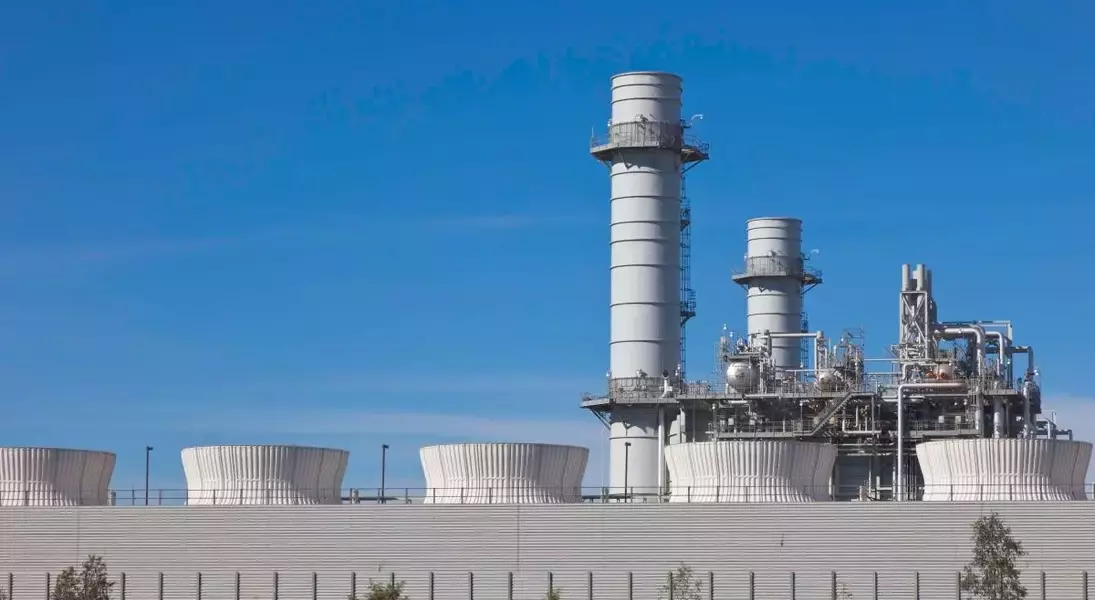
AI is having a profound impact on power and energy markets, as even major oil giants like Exxon Mobil are getting involved. This week, Exxon announced its plans to build a power plant for data centers, highlighting the significant electricity demand expected in the coming decade. According to one estimate, nearly half of new AI data centers may face power shortages by 2027.
Exxon's Power Plant Move: A Game Changer in Energy
Exxon's Existing Power Plant Operations
Exxon already operates power plants for its own internal operations. These plants have been crucial in meeting the company's energy needs. However, the new project represents a significant step forward as it is designed to serve outside customers. The planned power plant will run on natural gas and have a generating capacity of over 1.5 gigawatts. This shows Exxon's ambition to expand its presence in the energy sector and meet the growing demand for electricity.By building this power plant, Exxon is demonstrating its ability to adapt to the changing energy landscape. It is also an indication of the company's confidence in the future of the energy market. The use of natural gas as a fuel source is a common choice in the power generation industry, as it is relatively abundant and cost-effective.
Carbon Capture and Storage at Exxon's Power Plant
In a surprising move, Exxon has stated its intention to capture and store over 90% of the carbon dioxide produced by the power plant. This is a significant step towards reducing the carbon footprint of the energy industry. Carbon capture and storage technology is still in its early stages, but it holds great promise for reducing greenhouse gas emissions.By implementing carbon capture and storage, Exxon is not only complying with environmental regulations but also positioning itself as a leader in sustainable energy. The company is taking a proactive approach to address climate change and is investing in technologies that can help reduce carbon emissions. This move could set a precedent for other oil and gas companies and encourage them to adopt similar measures.
Competing with Renewables
While Exxon is making significant investments in the power sector, it faces stiff competition from renewables. Renewables have proven to be quick to deploy and their costs are continuing to decline. Google's recent renewable energy investment, which includes partners and totals $20 billion, is set to start sending electrons to the grid in 2026. Microsoft is also contributing to a $5 billion, 9-gigawatt renewable portfolio and has already made its first investment. The inaugural solar project is scheduled to come online in six to nine months.The rapid growth of renewables poses a challenge to traditional energy companies like Exxon. However, Exxon is not sitting idle. The company is constantly exploring new ways to improve its operations and stay competitive in the market. It is likely that Exxon will continue to invest in both traditional and renewable energy sources to meet the evolving energy needs of society.
Challenges of Carbon Capture and Storage
Carbon capture and storage adds considerable cost to the construction and operation of a fossil fuel power plant. Currently, there are only a handful of power plants worldwide that capture some of their carbon pollution, and none of them run on natural gas. However, the Inflation Reduction Act offers tax credits of between $60 to $85 per metric ton of carbon captured and stored, which could make carbon capture and storage more economically viable.Despite the potential benefits of carbon capture and storage, the technology still has some kinks to work out at the commercial scale. Some carbon capture and storage facilities have hit their targets, while others have fallen far short. For example, a long-running CCS facility in Canada promised to capture 90% of the carbon dioxide from a small coal plant but managed to capture just under 60% after nearly a decade of operation. This highlights the need for further research and development to improve the efficiency and reliability of carbon capture and storage technology.
Exxon aims to complete the new power plant within the next five years, which is a shorter timeline than most nuclear power plants. This shows the company's commitment to delivering results and meeting the energy needs of its customers. While there are challenges ahead, Exxon is well-positioned to play a significant role in the power and energy markets of the future.