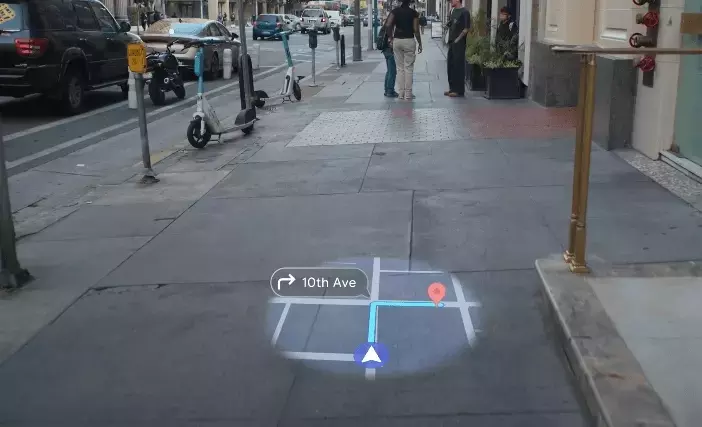
Google has taken a significant step forward in the realm of augmented reality with the release of a prototype of Project Astra's AR glasses. These glasses are an integral part of Google's long-term vision to bring hardware with augmented reality and multimodal AI capabilities to the masses. In the present era, they are set to release demos to capture the attention of consumers, developers, and their competitors alike.
Google's Leap into Augmented Reality with Project Astra
Project Astra's AR Glasses - A Glimpse into the Future
Google's decision to release a prototype of Project Astra's AR glasses marks a crucial milestone. These glasses hold the promise of transforming the way we interact with the digital world. With augmented reality capabilities, they have the potential to overlay virtual information onto our real surroundings, enhancing our daily experiences. For instance, imagine being able to view detailed maps while walking in an unfamiliar city or getting real-time translations of foreign languages. The possibilities are endless.Moreover, the integration of multimodal AI within these glasses adds another layer of functionality. AI can analyze our gestures, voice commands, and eye movements to provide a more intuitive and seamless user experience. This means that users can interact with the glasses in a more natural way, making them an essential tool for various applications such as education, entertainment, and work.Android XR - The Operating System Powering the Future
Alongside the AR glasses, Google's announcement of their new operating system Android XR is equally significant. This operating system will serve as the foundation for developers to build immersive experiences for XR hardware like glasses and headsets. It provides a set of tools and frameworks that enable developers to create innovative applications that take advantage of the unique features of augmented reality.For example, developers can use Android XR to create interactive educational games that blend virtual and real-world elements. Students can explore historical sites or scientific concepts in a more engaging way, enhancing their learning experience. Additionally, developers can build entertainment applications such as virtual concerts or interactive sports experiences that bring people together in new and exciting ways.The OS will also be powering the Project Atra Glasses and the newly announced Samsung-built headset Project Moohan. These devices are set to be available for sale next year, further expanding the reach of augmented reality technology. With Android XR at their core, these devices will offer a seamless and immersive user experience, making augmented reality more accessible than ever before.You May Like