



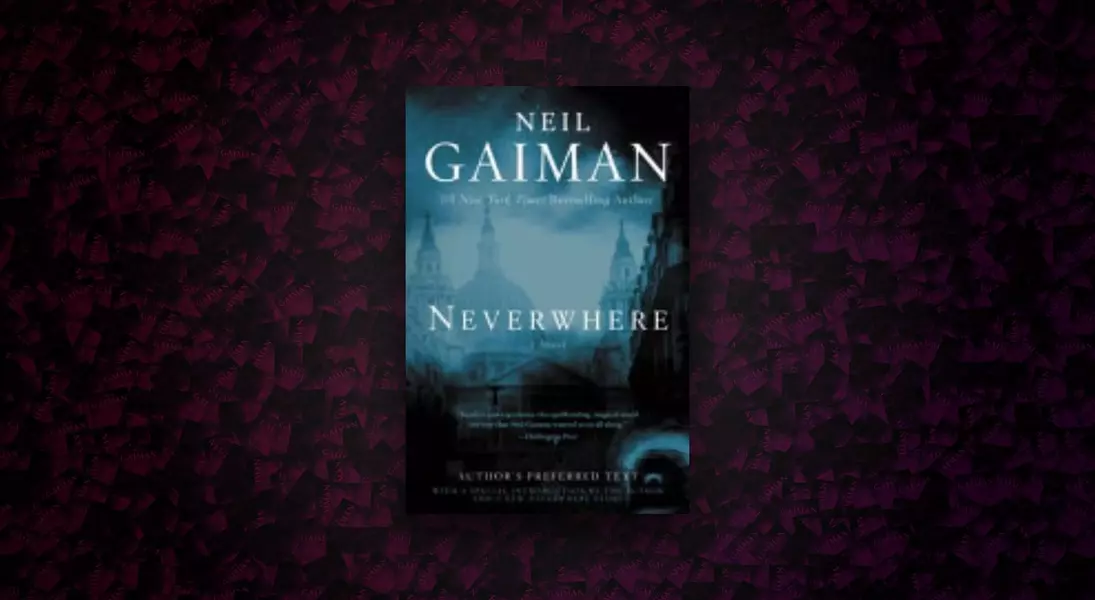
Low fantasy, a captivating literary genre, masterfully integrates the fantastical into the fabric of our recognizable world, making the extraordinary an intimate part of daily existence. This genre stands in stark contrast to high fantasy, which typically transports readers to completely invented realms with intricate mythologies. In low fantasy, magic and the supernatural don't dominate the landscape but rather subtly influence it, often lurking just beneath the surface of the mundane. Authors like Neil Gaiman and Haruki Murakami are celebrated for their ability to weave mystical narratives into modern urban settings or contemporary routines, illustrating how the peculiar can emerge from the commonplace. These stories emphasize personal encounters and the nuanced friction between reality and enchantment, grounding ancient folklore and strange occurrences within the confines of ordinary life, thereby exposing the inherent strangeness of the world we inhabit.
This curated selection of ten novels showcases the genre's breadth and depth, each exploring that delicate space where the mystical meets the tangible. From tales of clairvoyance affecting family sagas to magical realism confronting historical atrocities, these books demonstrate how minor alterations to reality can profoundly shift our understanding of it. They invite readers to perceive their world through a new lens, where the boundary between the real and the imagined is delightfully blurred. These narratives prove that magic doesn't need to reshape entire civilizations to profoundly impact individual lives and challenge conventional perceptions, making the ordinary feel truly extraordinary.
The Subtle Incursion of the Supernatural into Reality
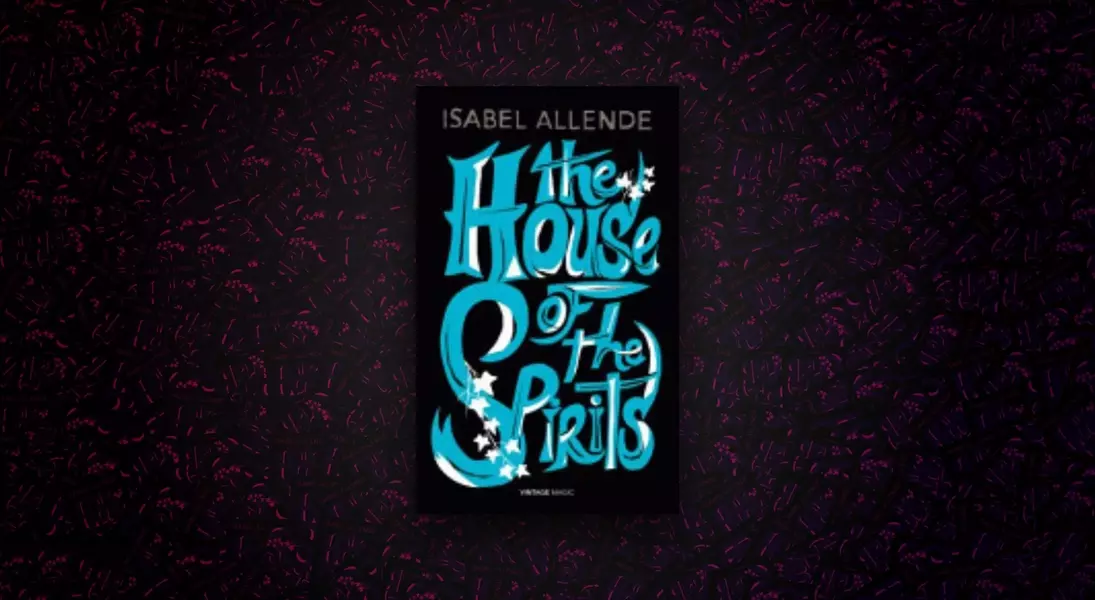
Low fantasy expertly blends the mystical with the everyday, demonstrating how elements of the extraordinary can coexist with the routines, tensions, and tragedies of ordinary existence. Authors in this genre often incorporate subtle supernatural occurrences like clairvoyance, premonitions, and apparitions into domestic dramas or historical narratives, allowing the fantastical to become an integral part of the characters' reality without overshadowing the weight of human experiences. This approach, often overlapping with magical realism, treats magic not as an interruption requiring extensive explanation, but as an inherent component of the world. Consequently, personal histories and national events intertwine with the otherworldly, showing that even profound political upheaval and quiet domesticity can accommodate the extraordinary.
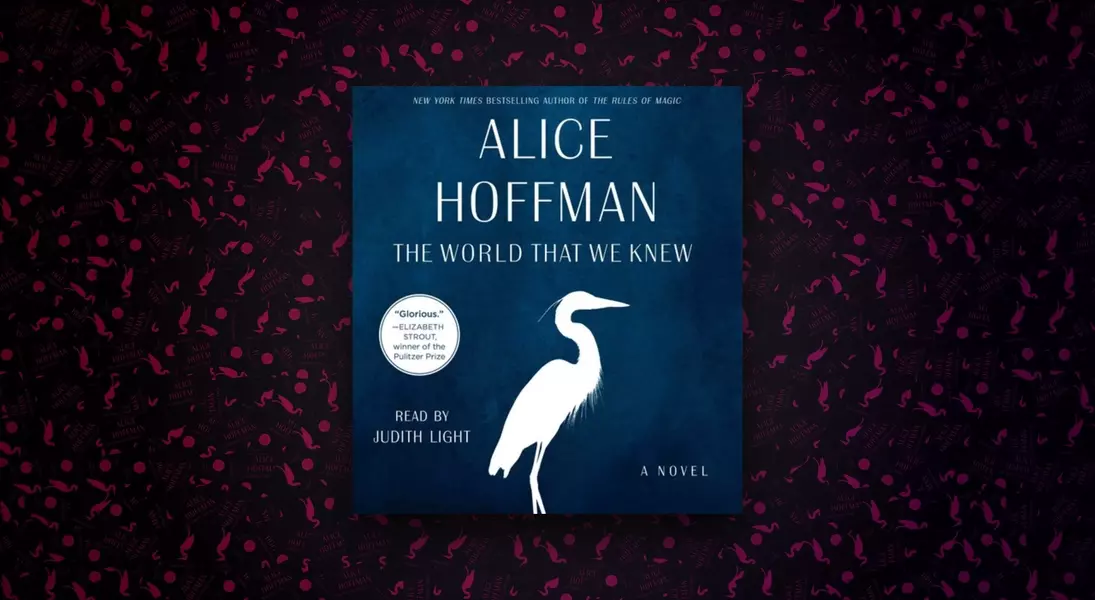
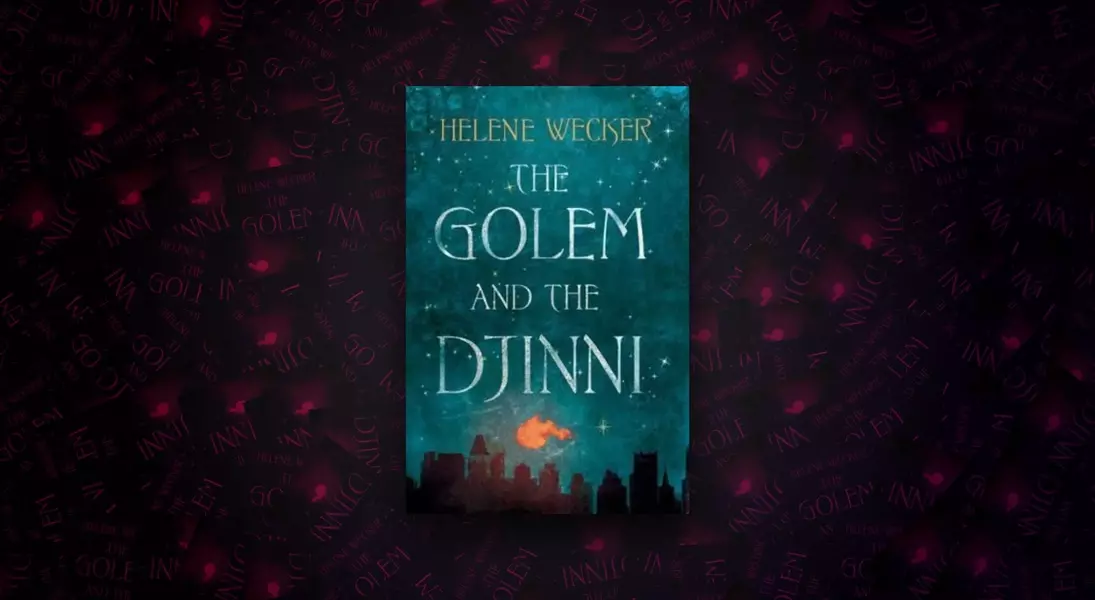
This narrative technique is particularly evident in novels that infuse magical elements into real-world settings or historical periods, giving the fantastic a grounded and intimate feel. Whether it's ghosts and visions shaping a family's destiny amidst political turmoil, or an ancient spiritual being navigating the challenges of immigrant life, the supernatural becomes a lens through which human vulnerability, collective trauma, and societal structures are examined. These stories reveal how extraordinary presences can offer a unique perspective on the human condition, making the familiar uncanny and the mundane profound. By keeping the magic understated and tightly woven into the narrative, these works evoke a sense of wonder and reflection, proving that even minimal enchantment can profoundly alter our perception of the world.
Human Experience Through an Enchanted Lens
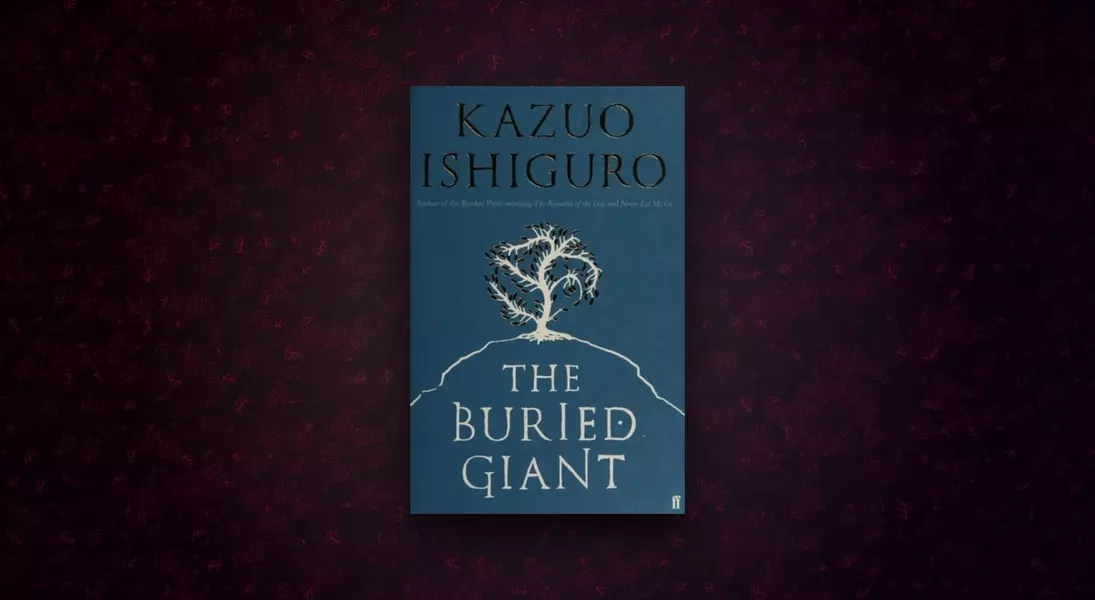
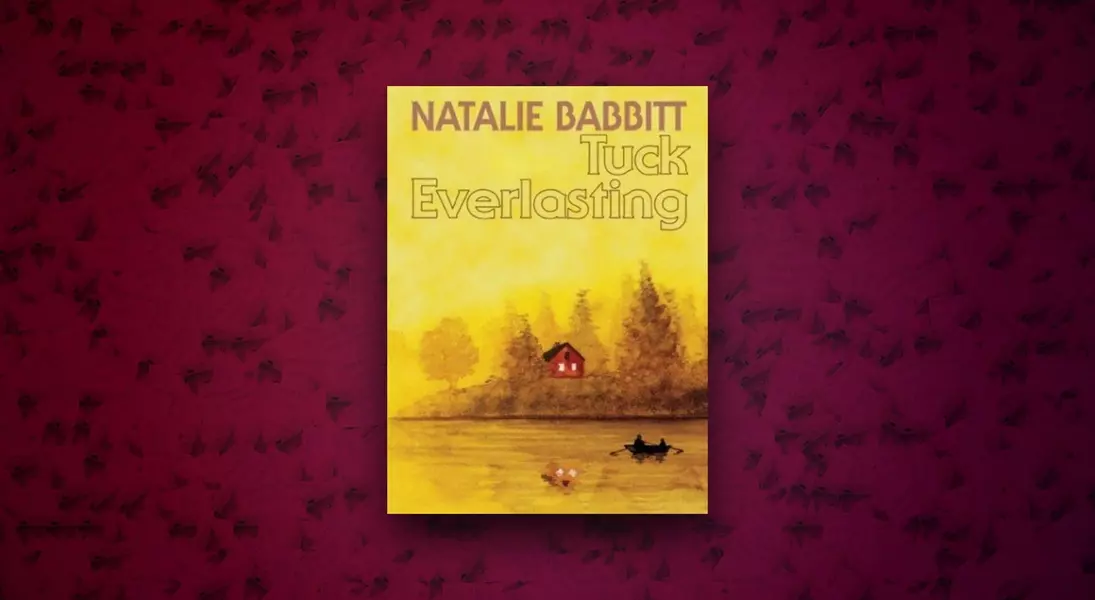
In the realm of low fantasy, the supernatural often serves as a subtle yet powerful force that reshapes human experience and perception. Instead of grand spectacles, the genre employs magic to illuminate deeper truths about memory, trauma, and identity, forcing characters and readers alike to re-evaluate their understanding of existence. This often manifests through unique narrative devices, such as a mist-like amnesia affecting an entire populace, or a magical artifact granting eternal youth, each presenting profound moral and emotional dilemmas. The enchantment, rather than offering an escape from reality, grounds the narrative in human vulnerability, revealing that life's impermanence is often what gives it meaning and value.
These stories frequently explore the psychological dimensions of everyday life, where uncanny, dream-like encounters seep into urban landscapes, suburban alleys, and domestic settings, blurring the lines between the physical and the metaphysical. The fantastical elements, whether they be hidden underworlds beneath familiar cities or the unexpected arrival of mythical beings in a bustling metropolis, are inextricably linked to the fabric of human society and history. This intertwining of the magical with the mundane not only provides a fresh perspective on political maneuvering, social conventions, and personal struggles but also elevates the ordinary into something profoundly surreal and thought-provoking. Ultimately, low fantasy offers a powerful means to see the familiar in a new, unsettling, and ultimately enchanting light.