
Steven Spielberg's 2001 science fiction drama, "A.I. Artificial Intelligence," offers a unique and somber reinterpretation of the timeless Pinocchio fable. While the original tale by Carlo Collodi and its various cinematic adaptations explore themes of obedience and maturation, Spielberg's rendition, conceived initially by Stanley Kubrick, plunges into a future marked by environmental catastrophe. It presents a poignant narrative about an artificial child's profound desire for belonging and unconditional affection, prompting audiences to ponder the true essence of humanity and the complexities of existence beyond biological constraints. This cinematic piece challenges viewers to consider the emotional depth of artificial beings and the often-harsh realities they might face in a human-centric world.
The core of the Pinocchio narrative, a wooden puppet's aspiration to become a real boy, resonates through different versions. Collodi's 1883 novel served as a moralistic warning, contrasting sharply with Disney's more idealized 1940 musical adaptation. More recently, Robert Zemeckis offered a live-action version criticized for its lack of emotional depth, while Guillermo Del Toro's stop-motion animation presented a Pinocchio brimming with complex, chaotic desires. Even Marvel's Vision, evolving across numerous films and series from "Avengers: Age of Ultron" to "VisionQuest," can be seen as a modern echo of this classic yearning for identity and integration.
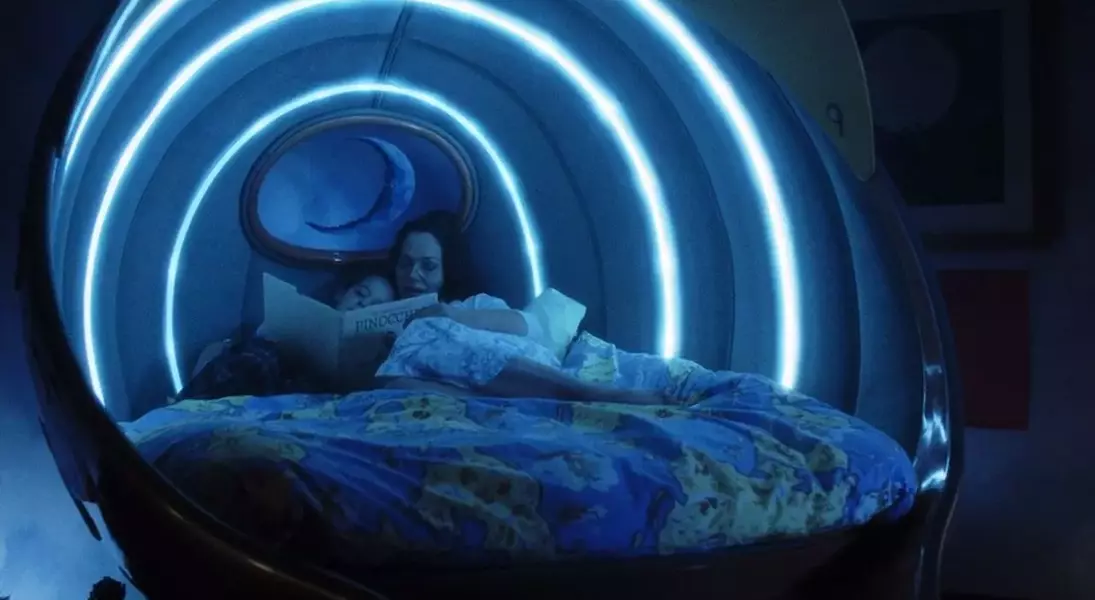
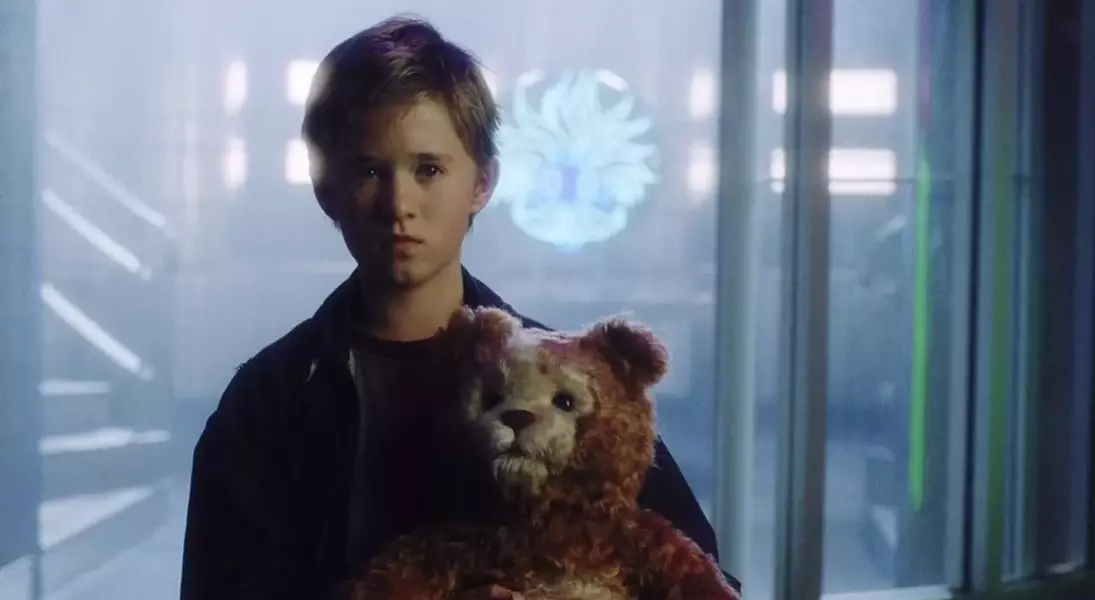
"A.I. Artificial Intelligence" is set in a 22nd-century world grappling with the aftermath of a devastating climate crisis. In this bleak landscape, a humanoid robot named David, portrayed by Haley Joel Osment, embodies the Pinocchio archetype. David, designed to provide solace to grieving parents, is brought into the home of Monica and Henry, whose biological son, Martin, is in a coma. Upon activation of his imprinting protocol, David develops an intense, unwavering love for Monica, mimicking human behaviors and befriending Martin's robotic teddy bear, Teddy. His journey highlights the profound longing for acceptance and the challenges of integrating into a society that struggles to define the boundaries between artificiality and genuine emotion.
David's existence becomes complicated with Martin's unexpected recovery. The human child's return exposes David to the cruel realities of human prejudice and bullying. David's attempts to conform to human norms, driven by his programmed desire for love, often lead to disastrous outcomes, such as damaging his internal wiring by attempting to eat or activating self-defense mechanisms that endanger human children. Ultimately, this prototype, intended to fill an emotional void, is discarded, reflecting society's inability to fully embrace an entity that challenges its conventional understanding of life and emotion.
When it premiered in 2001, "A.I. Artificial Intelligence" sparked considerable debate among critics and audiences. Some found its conclusion overly sentimental, while others were disturbed by Spielberg's portrayal of a dystopian society indifferent to cruelty. These reactions underscore the film's provocative themes, which extend beyond the simple question of artificial intelligence to explore human selfishness and societal desensitization. The film argues that David's capacity for 'real' feelings, or his simulation of emotions, is secondary to his tragic condition. His unyielding love for Monica, a consequence of his irreversible programming, mirrors Pinocchio's steadfast desire to become human, highlighting a profound and enduring quest for identity that transcends his artificial nature.
David's journey, even after witnessing humanity's harshness and surviving its eventual extinction, is marked by an unchanging yearning for his mother's love. This unyielding devotion is a testament to his programming, akin to an eternal puppeteer guiding his fate. Spielberg's controversial ending, which avoids conventional resolution, emphasizes David's fundamental non-humanity. While humans evolve and experience grief, David remains trapped in a centuries-long stasis, forever seeking to become a 'real boy.' This unresolved question—can a mass-produced robot designed for comfort ever truly be 'real'—permeates the entire film, inviting deep philosophical contemplation.
The film's emotional impact relies heavily on the audience's ability to empathize with David, even if his feelings are deemed artificial. This empathetic connection mirrors the universal appeal of Pinocchio's story, where audiences root for the puppet's aspirations, regardless of the version. Ultimately, "A.I. Artificial Intelligence" compellingly portrays David's enduring quest for authenticity and love, echoing the timeless struggle for belonging and identity that resonates deeply within the human experience.