This article explores the unexpected cultural depth found within the seemingly fantastical elements of the video game 'Forza Horizon 6,' specifically through its integration of Japanese pop culture and technological symbols, epitomized by a giant robot race. It delves into how the game authentically portrays Japan's unique identity, offering both a nostalgic journey for fans of Japanese media and an insightful look into the country's diverse cultural landscape.
'Forza Horizon 6': A Cultural Ride Through Japan's Iconic Landscape
Embracing Japanese Authenticity in 'Forza Horizon 6'
When Playground Games chose Japan as the setting for 'Forza Horizon 6,' their aim extended beyond mere aesthetics; they sought to encapsulate the nation's true spirit. While classic Japanese landmarks like cherry blossom trees, traditional torii gates, Mount Fuji, and the Hachiko statue were anticipated, the inclusion of a colossal mecha sparked curiosity and surprise.
The Unforgettable 'Mech My Day' Race
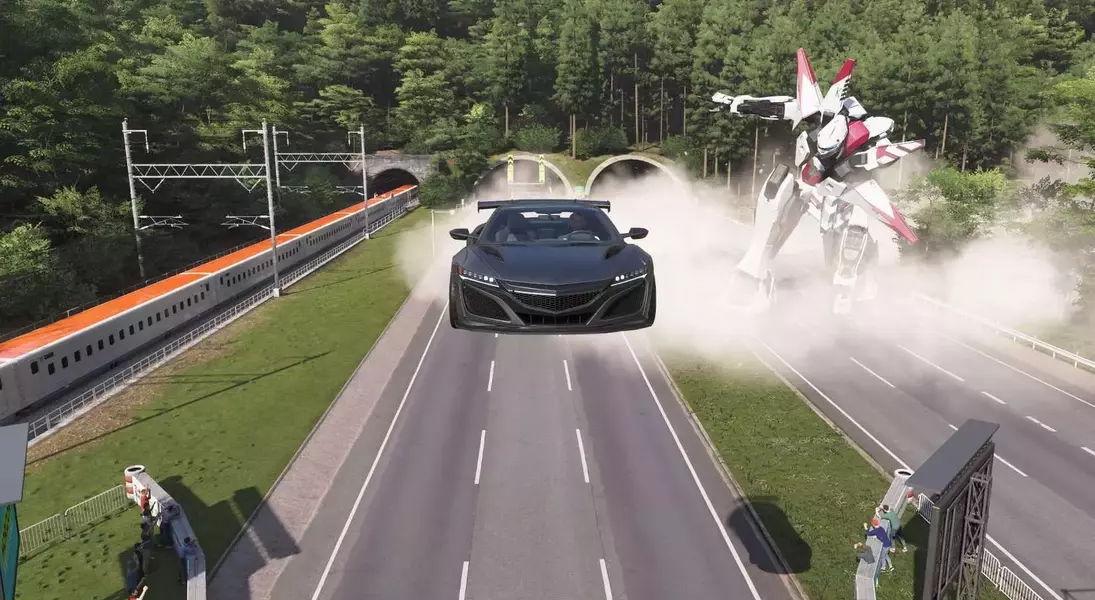
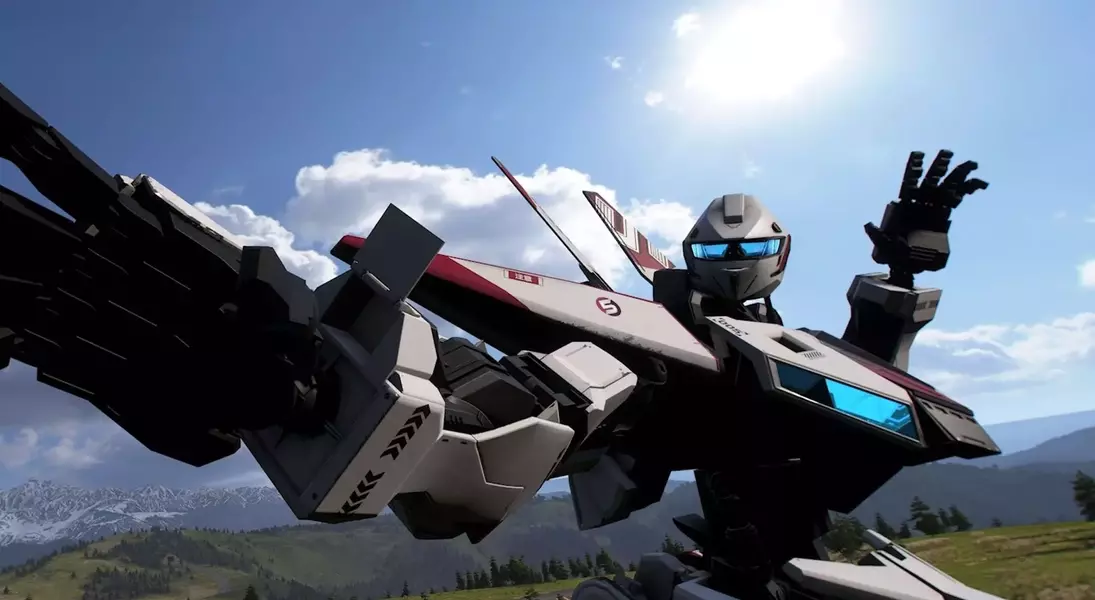
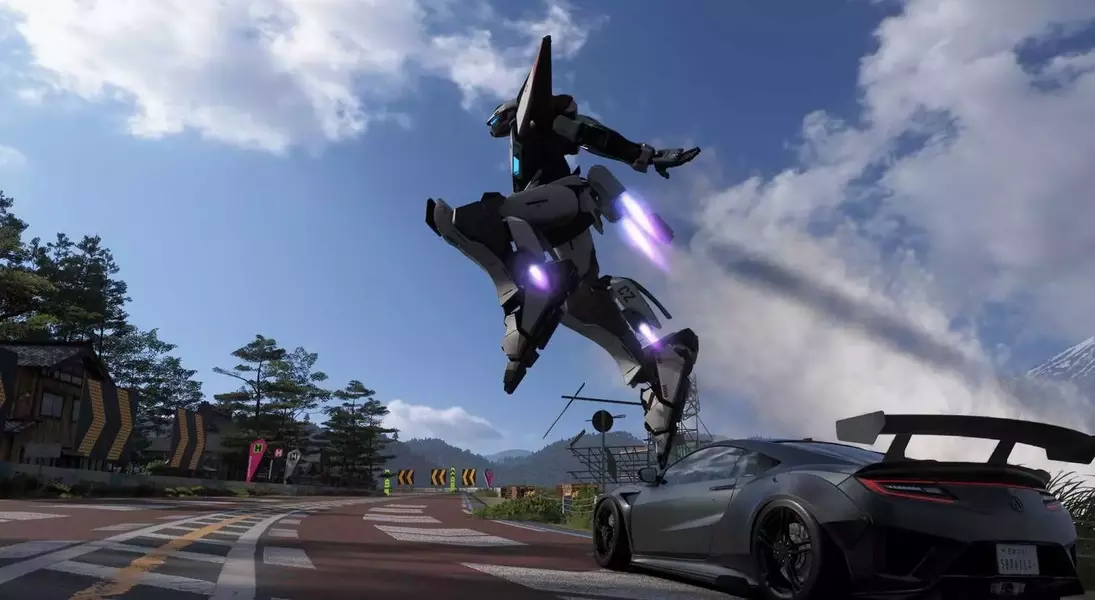
The 'Mech My Day' event stands out as an early, mandatory race in 'Forza Horizon 6.' Players navigate a 2022 Acura NSX through scenic countryside, pitted against the immense humanoid robot, Chaser Zero. This fantastical element, while not typical for racing games, underscores the game's willingness to push boundaries, even for a series known for its dramatic car drops and bullet train races. Chaser Zero's dynamic movements, including skating, jumping, boosting, and even grappling onto Tokyo Tower, create an exhilarating and unprecedented challenge. Despite the car's speed, victory is achieved through a technical malfunction of the robot, echoing the sentiment that "winning is winning," regardless of the margin.
Blending Fantasy with Reality in Game Design
While 'Forza Horizon 6' sometimes features whimsical elements, like smashing food-themed mascots, these moments are brief deviations from its core focus on Japan's automotive culture. The "Mech My Day" race, however, subtly signals Playground Games' intention to incorporate Japan's vibrant pop culture and technological advancements as integral parts of its national identity, challenging conventional notions of realism in racing games.
A Personal Connection to Japan's Giant Robots
For individuals with a personal connection to Japanese culture, like the author, giant robots evoke a sense of national identity as profound as the sight of Mount Fuji. Growing up with tokusatsu shows like 'Jaspion' and anime series such as 'Gundam Wing' and 'Patlabor,' the author experienced firsthand the deep-seated presence of these mechanical titans in Japanese media, forging an enduring link between giant robots and the essence of Japan.
The Enduring Legacy of Giant Robots in Japanese Culture
The history of giant robots in Japanese culture stretches back to 1963 with 'Tetsujin 28-go,' a show about a boy controlling a massive robot. The tradition of live-action giant robot shows gained momentum with the 1978 Japanese adaptation of 'Spider-Man,' featuring the transforming robot Leopardon. Since then, these metallic giants have become ubiquitous across various forms of Japanese pop culture, cementing their iconic status.
Chaser Zero: A Homage to Mecha History
Although Chaser Zero is not modeled after a specific character, its design, featuring prominent shoulder pieces, a red-and-white color scheme, and powerful leg boosters, unmistakably references classic mechas like Gundam, Eureka Seven's Nirvash typeZERO, and Macross mechas. This design not only pays tribute to Japan's rich mecha history but also transcends it, incorporating elements familiar to any mecha enthusiast.
Hidden Cultural References in Chaser Zero's Movements
Chaser Zero's acrobatic movements are laden with cultural references. Its mid-air leap from water to land, with arms outstretched and a knee raised, is a direct nod to 'Sailor Moon,' a seminal anime that shaped 1990s Japanese pop aesthetics. Another scene, where Chaser Zero slides under an elevated road, cleverly mirrors the iconic bike slide from the 1988 animated film 'Akira,' fusing the futuristic vehicle's grace with classic cinematic imagery.
Celebrating Japan's Technological Prowess
Beyond cultural references, the "Mech My Day" race also subtly celebrates Japan's technological achievements. A climactic slow-motion sequence features the player's Acura (a premium Honda brand) emerging from a tunnel, flanked by Chaser Zero and a Shinkansen bullet train. This imagery, juxtaposing cutting-edge automotive design with both fictional and real-world technological marvels, encapsulates the diverse forms technology takes within Japanese culture, creating a powerful and meaningful experience for players.
