

This report delves into a crucial discussion within the baking community: the differing impacts of autolyse and high-speed industrial mixing on yeast production. It explores how oxygen exposure during dough preparation affects both the sensory qualities and structural characteristics of bread. Drawing on expert technical perspectives and the invaluable insights of seasoned bakers, this piece illuminates the complex interplay between mixing techniques, oxygenation, and the final product's flavor and texture. The insights presented offer a profound understanding of how subtle shifts in methodology can significantly alter the outcome, emphasizing the delicate balance required for superior bread.
The central question driving this discourse, initially sparked on the Bread Bakers Guild of America forum, concerns whether oxygen has significant negative consequences for bread dough beyond its cosmetic bleaching effects. While certain agents like benzoyl peroxide are known to whiten flour without compromising dough performance, and chlorine can alter flour in ways beneficial for cakes but detrimental to bread, the role of oxygen remains a focal point. Historically, oxygen has been associated with diminishing flavor by bleaching carotenoids, leading to a debate over whether its influence is merely superficial or profoundly impacts dough strength and taste. The autolyse method, often adopted to reduce mixing time and limit oxygen incorporation, directly addresses these concerns by aiming to preserve the dough's intrinsic qualities.
Technical perspectives reveal that oxygen integration during dough mixing intricately affects both flavor and gluten structure. This process leads to the bleaching of carotenoids, such as lutein, which are crucial precursors for aroma, ultimately resulting in a bread crumb with reduced flavor intensity. Raymond Calvel's foundational work underscored this flavor degradation caused by aggressive mixing. Concurrently, oxygen facilitates the creation of disulfide bonds within glutenin proteins, thereby boosting the dough's elasticity. While this can be advantageous in moderation, excessive formation of these bonds can be counterproductive, leading to decreased dough extensibility and reduced oven spring. Unlike the chemical actions of benzoyl peroxide or chlorine gas, oxygen actively participates in enzymatic and protein oxidation pathways. Consequently, the autolyse technique mitigates these effects by minimizing mechanical agitation and oxygen exposure, safeguarding both flavor and the structural integrity of the dough. This underscores oxygen's critical dual role, presenting both beneficial and detrimental implications for the ultimate quality of bread.
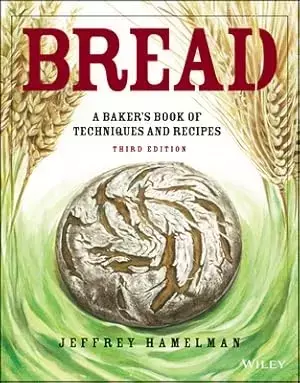
Jeffrey Hamelman, a respected figure in the baking world, provided compelling personal observations that complement the technical explanations. He recounts his early experiences in a Massachusetts bakery in 1976, where he learned from French bakers. His initial training involved 'pétrissage intensifiée,' a high-speed mixing method that incorporated substantial oxygen. Despite the impressive volume achieved, these baguettes were notably bland and lacked the depth of flavor associated with quality bread. Hamelman's later teaching experiences, particularly with his 'Baguettes Six Ways' class, consistently demonstrated that the intensively mixed baguette was inferior in color, taste, and texture, often appearing 'oxygenized to death.' Conversely, methods like 'pointage en bac' (bulk fermentation) and even the 'six-fold unkneaded baguette' yielded superior flavor and texture, proving that restraint in mixing, rather than brute force, is key to developing true flavor. His insights, though anecdotal, powerfully illustrate the long-term impacts of oxygen on bread quality.
The comprehensive analysis underscores that the choice between autolyse and high-speed industrial mixing profoundly influences the final characteristics of bread. Minimizing oxygen exposure, as facilitated by the autolyse method, is crucial for preserving the natural flavor compounds and achieving optimal gluten development. Conversely, excessive oxygen incorporation during rapid mixing can lead to undesirable outcomes, including reduced flavor complexity and compromised dough structure. These findings highlight the importance of thoughtful dough management and emphasize that the pursuit of efficiency must be balanced with a deep understanding of the biochemical processes that define high-quality bread.
