
Maintaining a grill goes beyond mere surface wiping; it necessitates a comprehensive deep clean at least annually, or more frequently for avid users. This intensive cleaning process is vital not only for safety, preventing hazardous grease fires and uneven heating, but also for enhancing the appliance's performance, extending its operational life, and ensuring that every meal cooked carries only the intended flavors, free from the taint of charred remnants. Ignoring this essential upkeep can lead to inefficient operation and a significantly shortened lifespan for your outdoor cooking equipment.
The end of the summer grilling season, often marked by Labor Day, signals the opportune moment for this crucial task. While the thought of tackling a grimy grill might not excite, it's a non-negotiable part of responsible grill ownership. An acquaintance's experience with a near-catastrophic grill fire, despite regular superficial cleaning, underscores the peril of neglecting a thorough deep clean. Her routine, limited to occasional grate brushing and grease trap changes, proved insufficient against the dangers of accumulated residue. Without a detailed scrubbing, a grill is prone to sudden flare-ups, inconsistent heat distribution, and ultimately, premature failure. It's a small investment of time that pays dividends in safety and culinary satisfaction.
The benefits of a meticulously cleaned grill extend beyond mere safety. A grill free of obstructions and caked-on debris operates with superior efficiency. For gas models, this translates to consistent heat output and reliable ignition, while for charcoal grills, it ensures optimal airflow and temperature regulation. This commitment to cleanliness is also an investment in longevity. A well-maintained grill endures, offering countless seasons of delightful outdoor cooking, whereas a neglected one succumbs to wear and tear far too quickly. Moreover, the purity of flavor is paramount; nobody desires the taste of carbonized remnants from previous cookouts contaminating fresh ingredients. The goal is to achieve that perfect char, not a bitter, acrid undertone.
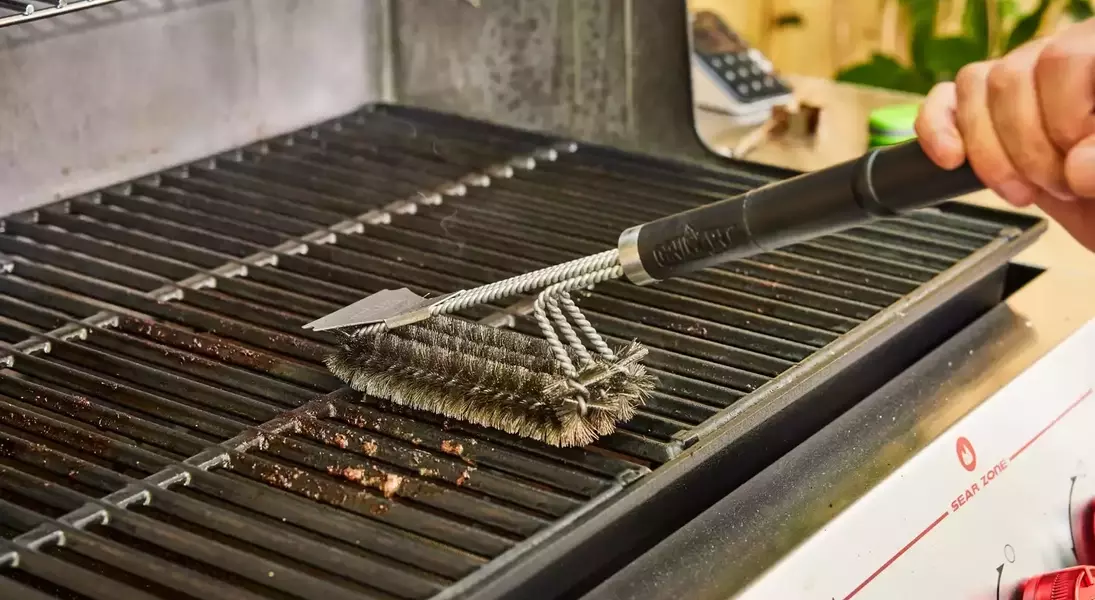
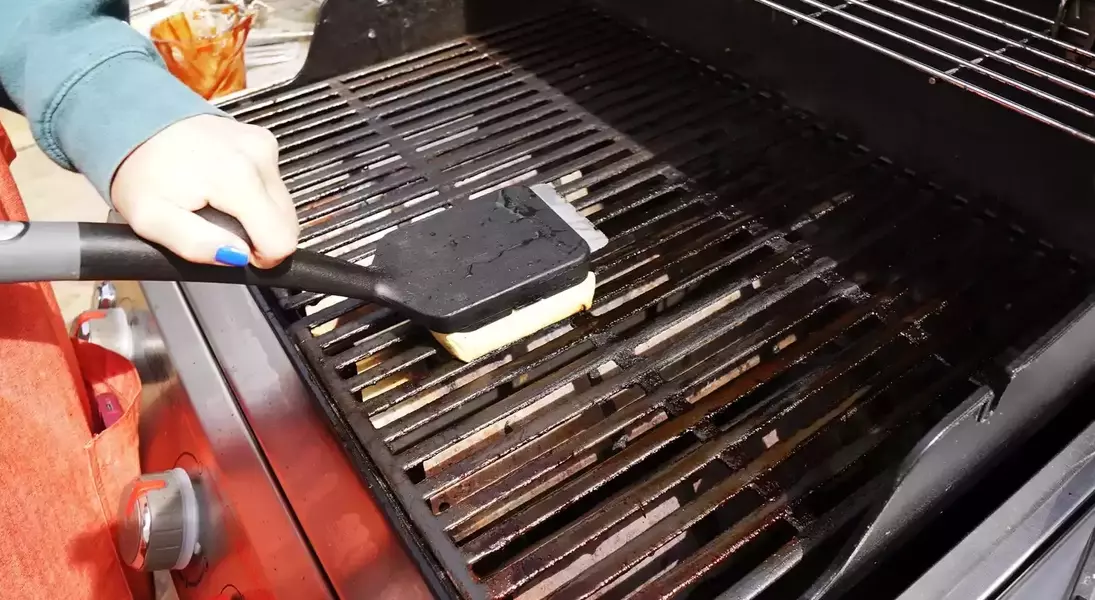
Preparing for this task requires gathering specific tools to streamline the process. Before commencing, ensure the grill is completely cool and, for gas models, the propane supply is safely shut off. A designated workspace, covered with a tarp or trash bags, helps contain the mess. Two large plastic bins are indispensable: one for hot, soapy water to loosen stubborn grime from grates and trays, and another with clean water for rinsing. Essential cleaning aids include sturdy rubber gloves for protection, a robust grill brush or heavy-duty bristle brush, a paint scraper or putty knife for dislodging tough deposits, and stainless-steel wool for rigorous scrubbing. Rags are necessary for wiping down surfaces, and a grill “floss” can be useful for reaching tight spots between bars, with a grill grease spray offering a polished finish.
For gas grills, the deep cleaning begins with scraping grates and flavorizer bars directly into the cookbox, allowing debris to collect there for easy disposal with the grease tray. These components are then immersed in hot, soapy water, scrubbed thoroughly with steel wool, rinsed, and dried. The cookbox and burner tubes require meticulous scraping from top to bottom, with igniters carefully wiped clean to ensure proper spark. The grease tray, a notorious repository of grime, must be emptied, scraped, and cleaned, with disposable pans replaced as needed. Finally, the exterior, including knobs and side tables, is washed with soapy water, and any lingering cobwebs addressed. All greasy water and debris should be disposed of far from your living space to avoid attracting pests or clogging drains.
Charcoal grills, while lacking gas-specific components, demand their own rigorous cleaning regimen. Begin by scraping cooking grates vigorously to remove carbon buildup, soaking them in soapy water if heavily soiled. Once completely cool, all ashes and leftover briquettes must be removed from the grill bowl, as residual ash retains moisture and promotes rust. The interior of the bowl and lid should be scraped to eliminate carbonized grease, then wiped down. Crucially, both top and bottom vents need to be cleared of any obstructions to ensure proper airflow, which is vital for temperature control. The exterior is cleaned with soap and water, with care taken not to use abrasive cleaners on enameled surfaces. Regular care, such as brushing grates after each use, promptly emptying ash or grease, and covering the grill, will significantly extend its clean state and overall lifespan.
Undertaking the annual or bi-annual deep clean of your grill, though a demanding chore, is an indispensable practice. It serves as a bulwark against the dangers of grease fires and malfunctions, ensuring your outdoor cooking apparatus remains a reliable and efficient tool. This investment of effort guarantees that your grill is always primed for performance, ready to infuse your culinary creations with pure, unadulterated flavor, devoid of any unwelcome aftertastes. Embrace this necessary ritual to safeguard your equipment and enhance every grilling experience, ensuring continued enjoyment for seasons to come.
