Explore the enduring appeal and profound impact of horror literature through a selection of five seminal works. This journey delves into tales that transcend mere scares, offering insights into societal anxieties, psychological depths, and the very nature of fear itself. From early vampire narratives to modern psychological thrillers and unsettling manga, these books are cornerstones of the genre, shaping its evolution and our understanding of terror.
Unveiling the Masters of Macabre: A Journey Through Essential Horror Narratives
Carmilla: A Precursor to Modern Vampire Lore and Queer Literature
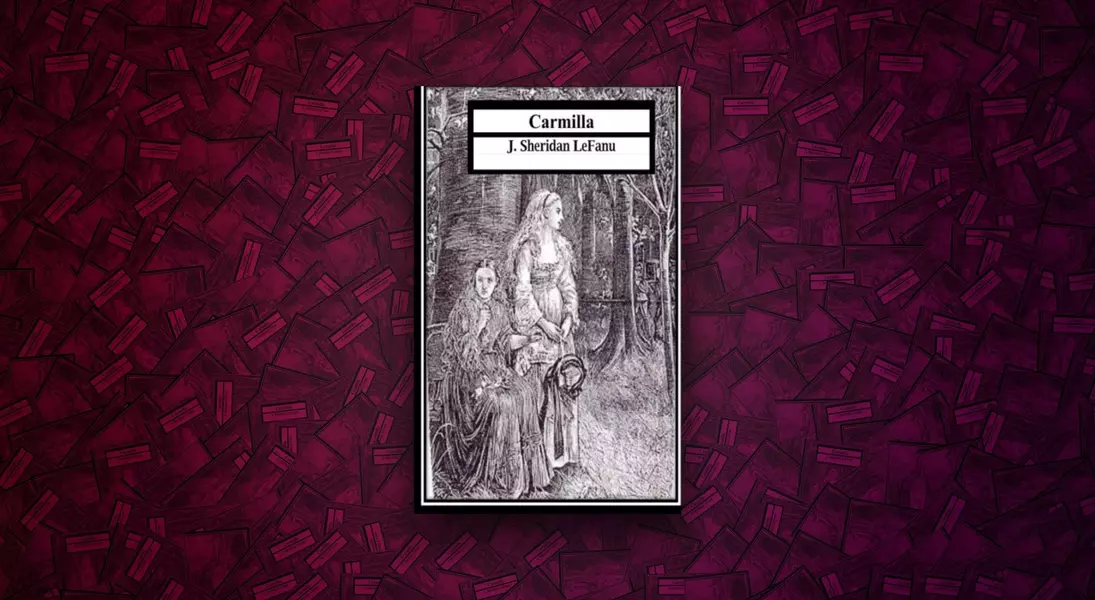
Before Bram Stoker's iconic 'Dracula,' Joseph Sheridan Le Fanu crafted 'Carmilla,' a groundbreaking Gothic novella that introduced one of fiction's earliest female vampires. Set in 19th-century Styria, the story explores the intensely charged, though subtly conservative for its time, relationship between Laura and the mysterious Carmilla. This narrative laid crucial groundwork for vampire tropes and holds significant status within queer literature for its ambiguous yet passionate portrayal of female connection.
The Haunting of Hill House: A Masterclass in Psychological Terror
Shirley Jackson's 'The Haunting of Hill House' stands as a monument to psychological horror, where fear is less about tangible specters and more about an oppressive, sentient environment. The novel follows Eleanor Vance and a team of investigators as they confront unexplained phenomena within the eerie Hill House. Jackson masterfully blurs the lines between external haunting and internal psychological breakdown, making the protagonist's mental state an integral part of the terror. It's a foundational text for the "trauma-haunted" trope, inspiring later interpretations like Mike Flanagan's adaptation.
Uzumaki: Junji Ito's Spiral into Cosmic Madness
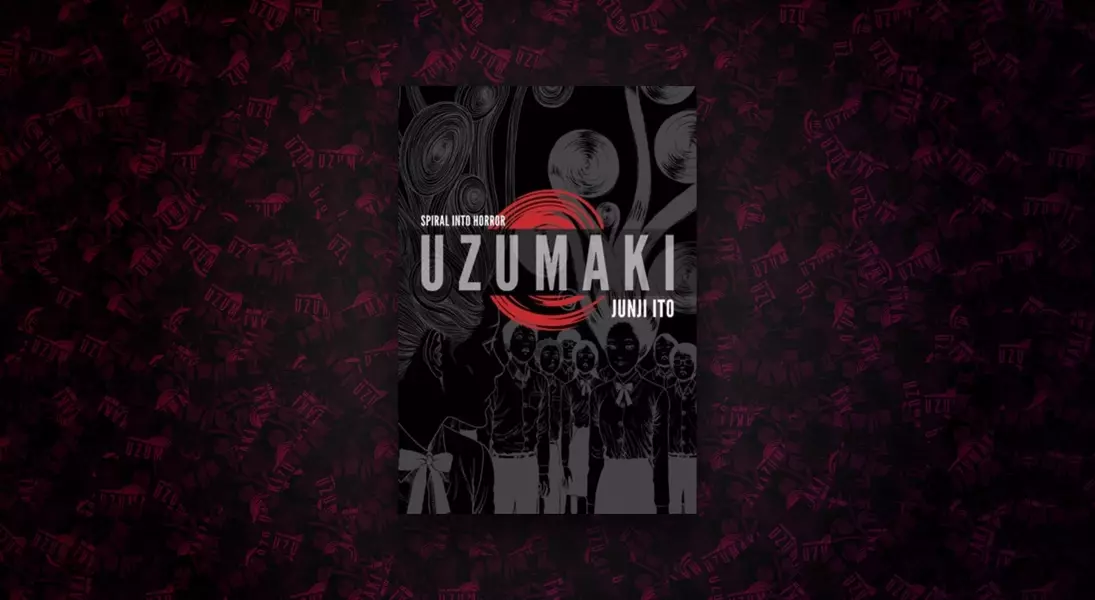
Junji Ito's 'Uzumaki' is a highly influential horror manga that plunges a small town into an inescapable obsession with spirals. High schoolers Kirie and Shuichi witness their community succumb to bizarre mutations and grotesque transformations, all linked to this insidious pattern. Ito's art, characterized by its hyper-detailed and body-horror-infused style, illustrates a nightmarish descent into cosmic dread. The story’s power lies in its portrayal of inescapable doom, where logic dissolves, and a happy ending remains elusive.
The Shining: Stephen King's Deep Dive into Isolation and Inner Demons
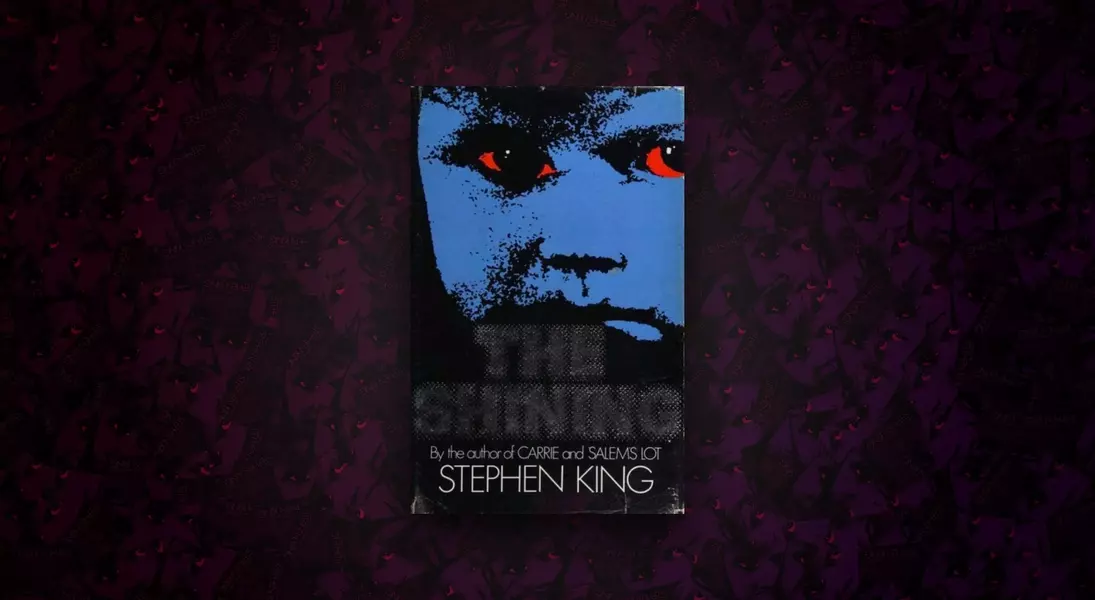
Stephen King's 'The Shining' offers an intricate exploration of a family's descent into madness within the isolated Overlook Hotel. Unlike its film adaptation, King's novel delves deeply into the "shining," a psychic ability connecting characters and events, and reflects the author's personal struggles with alcoholism. The story centers on Jack Torrance, a struggling writer and recovering alcoholic, whose stay as the hotel's caretaker becomes a terrifying battle against both the hotel's malevolent forces and his own inner demons, making it a benchmark for one-location horror that masterfully blends the supernatural with psychological anxiety.
Interview with the Vampire: Anne Rice's Elegant and Anguished Undead
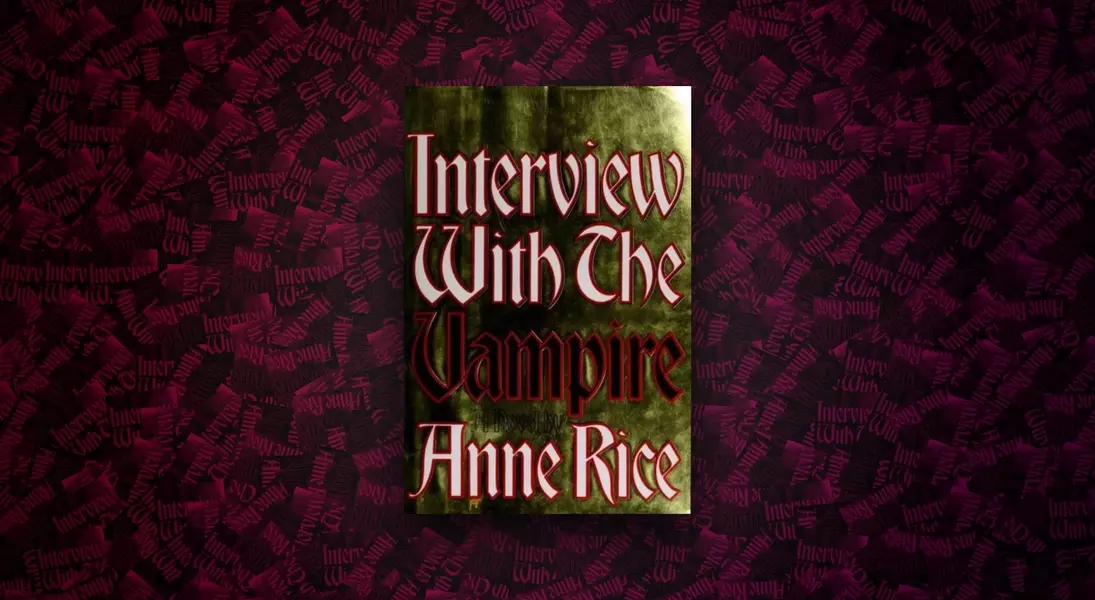
Anne Rice's 'Interview with the Vampire' is a cornerstone of gothic horror, launching 'The Vampire Chronicles' and redefining the vampire genre. The novel follows Louis de Pointe du Lac as he recounts his centuries-long existence as a vampire to a reporter. Rice imbues her vampires with rich inner lives and complex motivations, exploring themes of immortality, loneliness, and the intertwining of hunger and sexuality. This seminal work revitalized the cultural fascination with vampires, particularly through its iconic character, Lestat, who remains one of fiction's most morally ambiguous and enduring monsters.