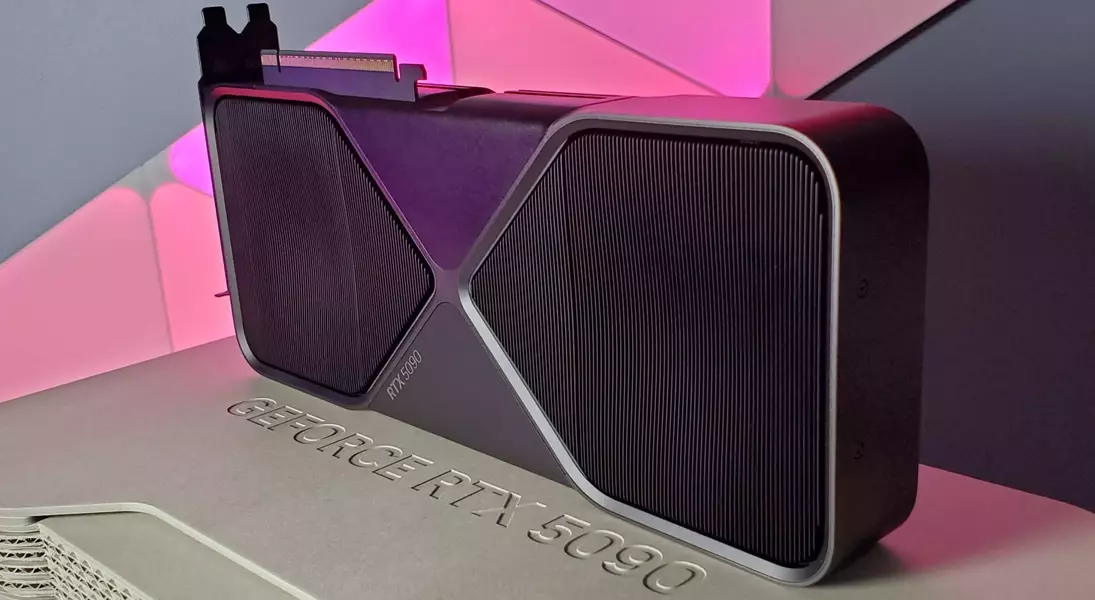
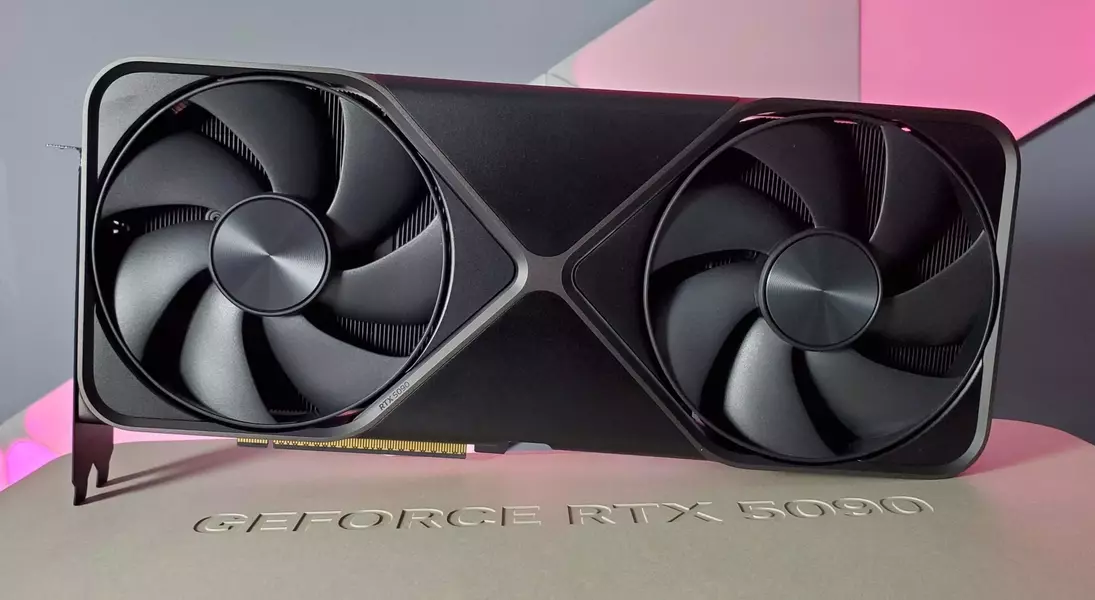
Recent market whispers suggested that NVIDIA had discontinued the manufacturing of its top-tier RTX 5090 graphics card, with resources for the advanced GB202 chip supposedly reallocated to data center applications. This news sparked considerable debate among technology enthusiasts and industry observers.
Addressing these concerns at a recent event in Taipei, Jeff Fisher, NVIDIA's senior vice president of the GeForce business unit, refuted the claims of the RTX 5090's discontinuation. He acknowledged that while supply chain capacity is somewhat constrained, NVIDIA is actively working to ensure product availability. Fisher emphasized the ongoing production and shipment of the RTX 5090, despite the existence of other variants utilizing the same chip architecture. However, in stark contrast to this assurance, the RTX 5090 has become notably absent from NVIDIA's official US online store and is exceedingly difficult to find through other retailers, often appearing only at inflated prices from third-party vendors. This scarcity has led to comparisons with Schrödinger's cat—a product that is simultaneously declared active and yet practically invisible in the market. Adding to the mystery, reports have surfaced about two pallets of RTX 5090 cards vanishing from a Brazilian airport, further highlighting the card's elusive nature. Even minor sightings of the card in retail environments have become newsworthy events for dedicated enthusiasts, underscoring its extreme rarity.
As the tech world awaits the next generation of GPUs, such as the rumored RTX 60-series, and grapples with an ongoing memory supply crisis, the scarcity of high-end graphics cards like the RTX 5090 continues to shape the market landscape. This situation reflects the dynamic and often unpredictable nature of supply and demand in the high-performance computing sector.
The journey of technological advancement is marked by innovation and perseverance. Even amidst supply challenges and market uncertainties, the pursuit of cutting-edge hardware pushes the boundaries of possibility. Consumers and industry leaders alike must embrace adaptability and foresight, fostering a spirit of continuous improvement and responsible innovation to overcome obstacles and unlock new frontiers in computing.
