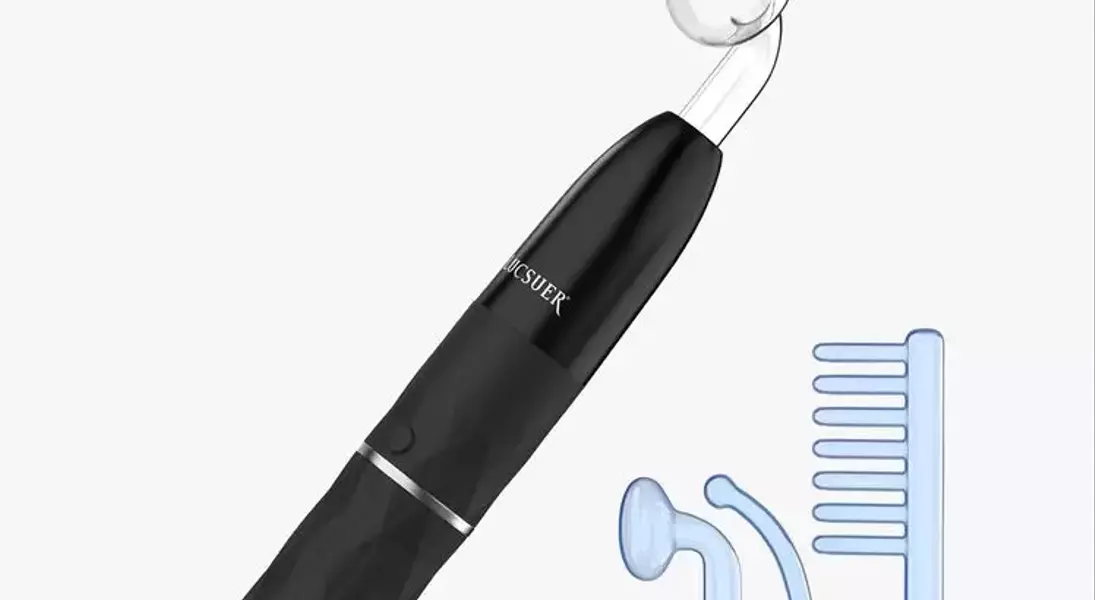
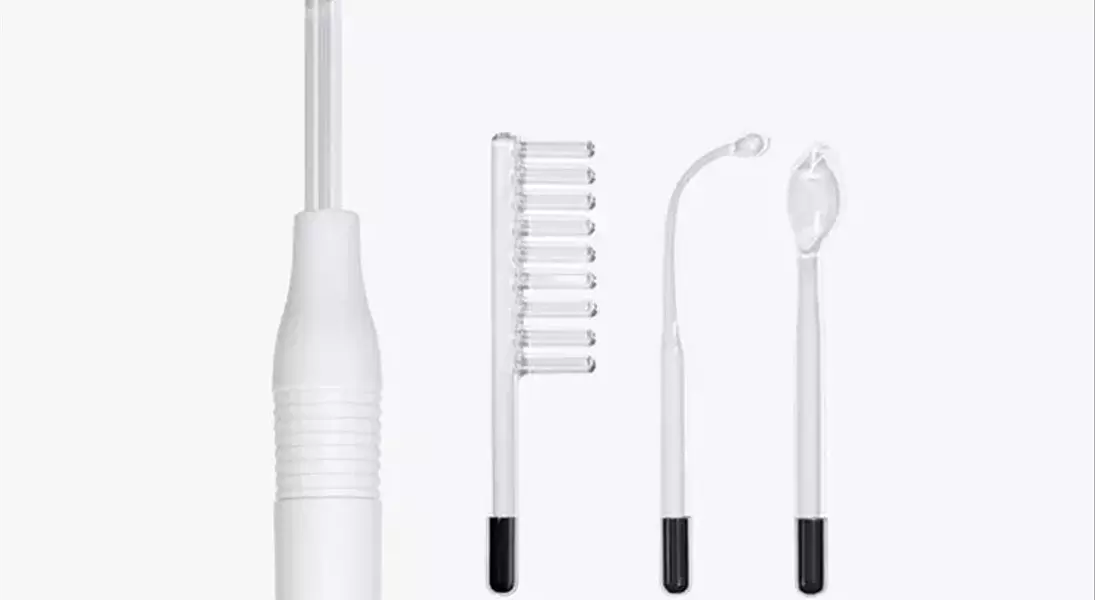
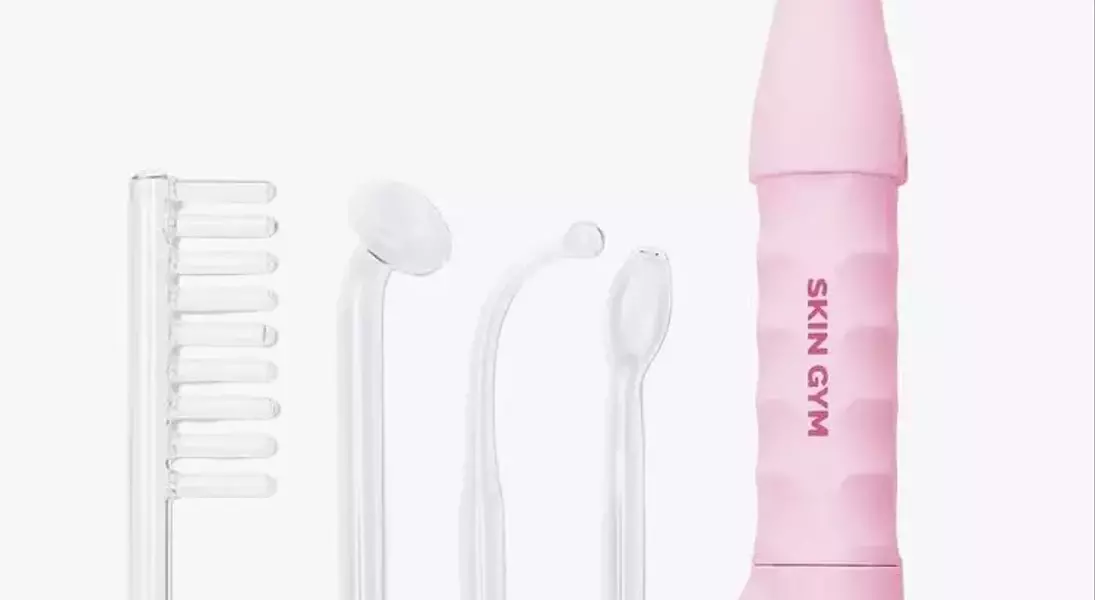
High-frequency wands are quickly gaining traction as a popular at-home beauty device, following in the footsteps of red light therapy and microcurrent tools. These wands harness electrotherapy to stimulate natural skin functions such as blood flow and oxygenation, with a primary focus on combating breakouts. While extensive clinical data is still being compiled, experts acknowledge their potential benefits, particularly in reducing acne-causing bacteria and alleviating inflammation. Users are encouraged to integrate FDA-approved high-frequency wands into their skincare regimen as a complementary treatment, emphasizing that consistency and realistic expectations are key to achieving desired results without replacing professional dermatological care.
These innovative devices generate a mild electrical current through glass electrodes filled with argon or neon gas, creating a gentle tingling sensation upon contact with the skin. This thermal stimulation is designed to promote healthier skin function without being aggressive or invasive. Dermatologists highlight that high-frequency treatments can effectively minimize active pimples, calm redness, and address post-inflammatory hyperpigmentation. Despite their promising effects, it is crucial to remember that complex skin conditions like acne require comprehensive evaluation and treatment from a dermatologist. The adoption of these wands should be seen as an adjunct to established skincare routines, offering an additional layer of support for clearer, healthier skin.
The Science Behind High-Frequency Skincare
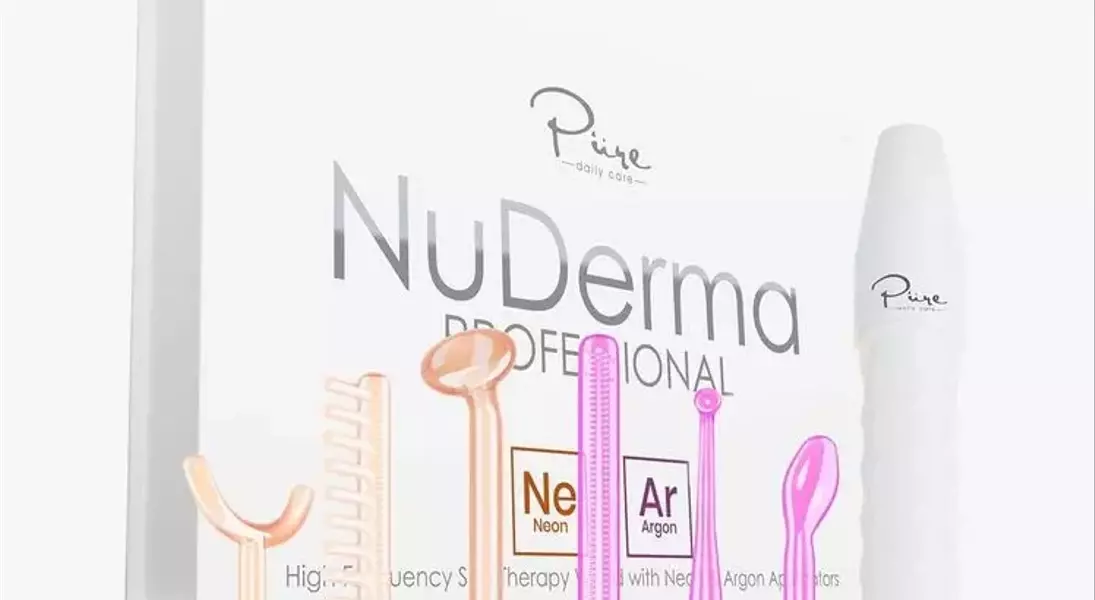
High-frequency wands operate on the principle of electrotherapy, using glass electrodes containing inert gases like argon or neon. When a mild electrical current passes through these gases, it produces a subtle thermal stimulation on the skin's surface. This process is believed to encourage natural skin functions, including improved blood circulation and enhanced oxygenation. The primary benefit cited by dermatologists for these devices is their potential to reduce acne-causing bacteria, calm inflammatory responses, and contribute to overall skin health. While not a definitive cure, high-frequency treatments offer a non-invasive approach to support clearer and more vibrant skin.
The specific type of gas in the electrode dictates its primary function: argon gas typically emits a violet light and is preferred for oily or acne-prone skin due to its antibacterial and decongestant properties, while neon gas, producing an orange or red glow, is often used to boost circulation, improve radiance, and provide anti-aging benefits like minimizing fine lines. These devices are designed to be safe for home use at low, controlled levels, provided they are used as directed by the manufacturer. Overuse can lead to skin irritation and compromise the skin barrier, underscoring the importance of adhering to recommended treatment durations. Some advanced models offer interchangeable electrodes, allowing users to customize their treatment based on specific skin concerns.
Integrating High-Frequency Wands into Your Routine
Incorporating a high-frequency wand into your skincare routine involves a few simple steps to maximize effectiveness and safety. Begin with thoroughly cleansed and dry skin. For enhanced comfort and glide, some users may opt to apply a light, water-based serum or conductive gel beforehand. The wand should then be moved across the skin in gentle circular or sweeping motions, taking care to avoid lingering in any single area for too long to prevent irritation. Each treatment session should be relatively brief, typically lasting only a few minutes per targeted area, as consistent, moderate use is more beneficial than intense, infrequent application.
Following a high-frequency treatment, it is advisable to apply a hydrating moisturizer or a calming serum to help restore and support the skin barrier. For most individuals, using the wand one to three times per week is sufficient, with new users encouraged to start once a week and gradually increase frequency as their skin adjusts. Dermatologists emphasize that while these wands can be a valuable addition to a skincare regimen, they are best utilized as a supplementary tool. If any irritation, sensitivity, or persistent redness occurs, it is a clear indication to reduce usage or pause treatments until the skin returns to its normal state, reinforcing the principle that moderation yields the best results.
