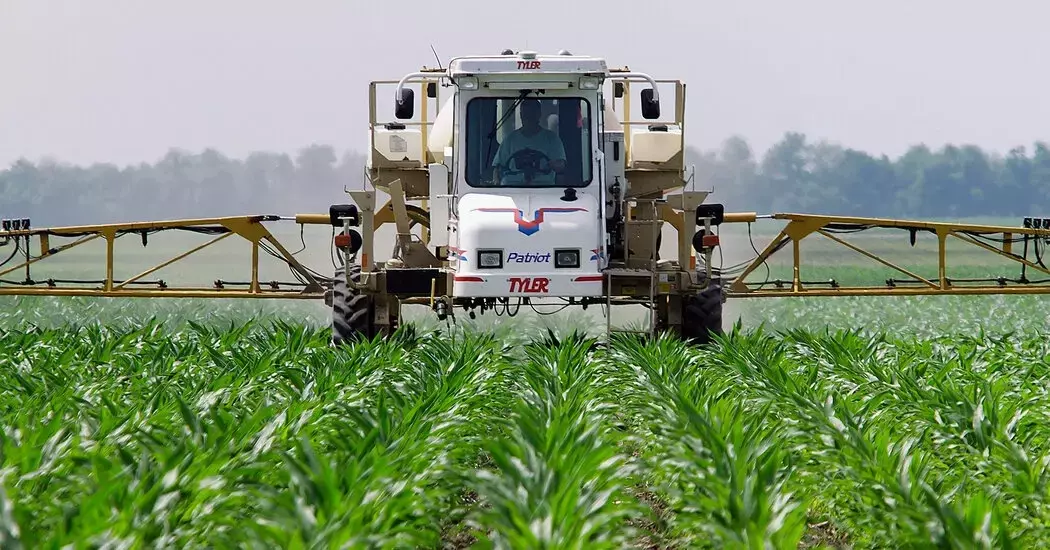
The debate over glyphosate, a widely used herbicide commonly known as Roundup, remains unresolved. Robert F. Kennedy Jr., now serving as the federal health secretary, has expressed concerns about the chemicals used in agriculture, advocating for a shift away from these substances. His stance has garnered support from various environmental groups and wellness advocates. However, scientific opinions on the safety of glyphosate vary significantly. While some organizations claim it poses potential health risks, others maintain that it is safe when used properly. Understanding how glyphosate is utilized in agriculture and its effects on human health is crucial for making informed decisions.
Evaluating the Safety of Glyphosate
The ongoing controversy surrounding glyphosate highlights the need for a balanced assessment of its safety. As federal health secretary, Robert F. Kennedy Jr. has emphasized the importance of reducing reliance on harmful chemicals in food production. He argues that these substances can have detrimental effects on both the environment and human health. The establishment of a commission to investigate chronic disease rates, including the impact of pesticides, underscores the government's commitment to addressing these concerns. Despite this, the scientific community remains divided on the issue.
Glyphosate has been a subject of intense scrutiny since its introduction by Monsanto in 1974. In 2015, the International Agency for Research on Cancer classified glyphosate as "probably carcinogenic to humans," sparking widespread concern. However, two years later, the Environmental Protection Agency concluded that glyphosate was unlikely to cause cancer and posed no significant health risks when used according to label instructions. This divergence in findings reflects the complexity of evaluating chemical safety. Supporters of glyphosate argue that it is an essential tool for modern agriculture, while critics point to potential long-term health implications.
Understanding Glyphosate's Agricultural Role
Glyphosate plays a critical role in modern farming practices, particularly in the cultivation of genetically modified crops. These crops are engineered to withstand glyphosate's effects, making them resistant to weed growth. Marty Williams, an ecologist with the USDA, explains that nearly half of all corn and soybean fields in the United States are treated with glyphosate-based herbicides. Additionally, it is used in the drying process of wheat, barley, oats, and beans, allowing farmers to harvest these crops more quickly. This practice has raised concerns about glyphosate residue in processed foods like pasta and cereals.
The extensive use of glyphosate in agriculture has led to debates about its presence in the food supply. Environmental groups argue that the herbicide's residue can end up in consumer products, potentially posing health risks. Critics also question the long-term environmental impact of glyphosate, particularly on soil health and biodiversity. On the other hand, proponents highlight its effectiveness in controlling weeds and improving crop yields. Balancing these perspectives requires a thorough examination of the available scientific evidence and a commitment to sustainable agricultural practices.
